









What's Happening?
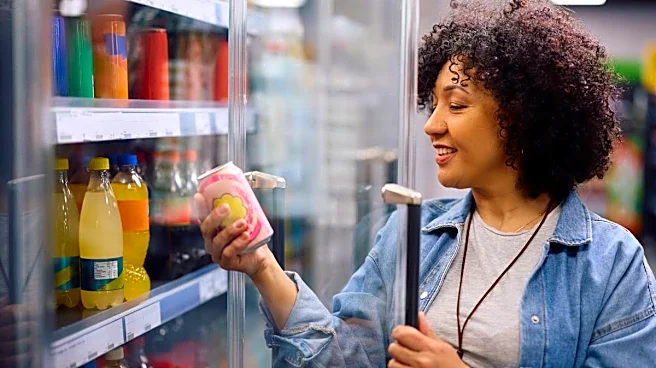
Beverage companies are increasingly tapping into the functional drinks market, which is valued at $160 billion globally, by offering innovative products like protein coffees and CBD sodas. This trend is driven by younger, health-conscious consumers, particularly
millennials and Gen Z, who are seeking beverages that offer both taste and health benefits. According to a survey by EY, a significant portion of these demographics are willing to pay more for drinks that support their wellness goals. Starbucks, for instance, has introduced protein coffees in its stores across the U.S., Canada, and Europe, expanding on its ready-to-drink protein coffees launched in 2024. Other major players like PepsiCo and Coca-Cola have also entered the market with prebiotic sodas. The demand for functional beverages is seen as a reflection of consumers' increasing awareness of nutrition and their desire for products that contribute to a healthier lifestyle.
Why It's Important?
The rise of functional beverages represents a significant shift in consumer preferences towards health-oriented products. This trend is reshaping the beverage industry, prompting companies to innovate and offer products that promise more than just refreshment. As consumers become more educated about nutrition, they are demanding products that align with their health goals, which could lead to increased competition among beverage brands. This shift also highlights the potential for growth in the functional drinks sector, as companies that successfully cater to these demands may capture a larger market share. However, the effectiveness of these products is under scrutiny, as experts warn that supplements and vitamins in these drinks are not closely regulated by the FDA, and consumers should prioritize obtaining nutrients from whole foods.
What's Next?
As the functional beverage market continues to grow, companies are likely to invest in research and development to create new products that meet consumer demands for health benefits. Regulatory scrutiny may increase as the market expands, with authorities potentially imposing stricter guidelines on health claims made by these products. Additionally, the trend towards functional beverages may influence other sectors of the food and beverage industry, encouraging a broader focus on health and wellness. Companies will need to balance innovation with transparency and compliance to maintain consumer trust and capitalize on this growing market.