
What's Happening?
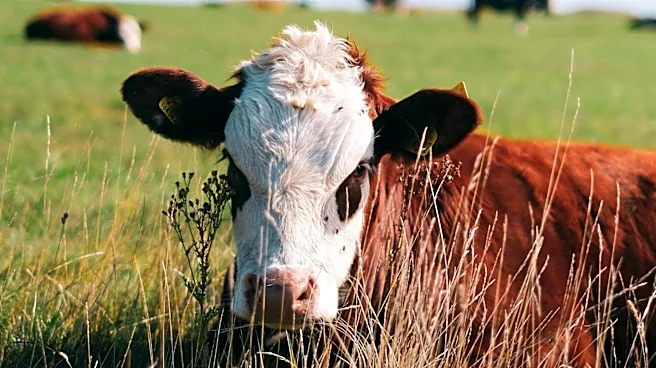
American consumers are facing high beef prices due to a cattle shortage, impacting both consumers and meatpacking companies. The U.S. cattle herd is at its lowest level in over 70 years, driven by drought
and increased operating costs for ranchers. Tyson Foods reported a loss in its beef segment, citing constrained supply and rising input costs. The U.S. Department of Agriculture plans to resume cattle imports from Mexico, which were previously suspended due to disease concerns. This move aims to improve cattle availability, though it may not immediately alleviate the current supply issues.
Why It's Important?
The ongoing cattle shortage and high beef prices have significant implications for the U.S. economy and consumers. Rising beef prices affect household budgets and could lead to changes in consumer spending habits. For meatpacking companies, the shortage poses challenges in maintaining profitability and meeting demand. The resumption of cattle imports from Mexico may offer some relief, but the long-term resolution of supply issues will require strategic planning and adaptation by industry stakeholders. This situation highlights the vulnerabilities in the agricultural supply chain and the need for sustainable practices to ensure food security.
What's Next?
The USDA's phased reopening of the Mexican border for cattle imports is expected to begin in late August, potentially improving cattle availability in the long term. However, the immediate impact on beef prices may be limited. Industry stakeholders will need to continue exploring solutions to address the supply challenges, including investments in sustainable ranching practices and infrastructure improvements. Consumers may also need to adjust their purchasing habits in response to ongoing price fluctuations.