







What's Happening?
Generation X is navigating a distinct path to retirement, marked by fewer traditional pensions and increased market volatility, according to recent surveys. A significant 68% of Gen X respondents, aged 50 to 61, report that external events have altered
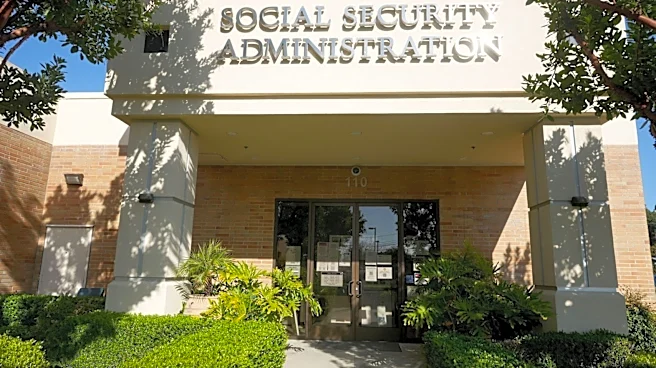
their retirement planning, an 11-percentage-point increase from the previous year. This demographic also expresses lower confidence in their financial readiness for retirement, with only 11% grading themselves an 'A' compared to 20% across all age groups over 50. Many Gen X individuals are seeking greater financial certainty, with 73% indicating a need to invest in products that deliver guaranteed income. This desire for stability comes as the Social Security program's trust funds are projected to face shortfalls by 2034, coinciding with when the oldest Gen X cohort will reach full retirement age. The shift away from traditional retirement models means many are considering semi-retirement or delaying their retirement dates, with 75% having considered or actively delaying retirement.
Why It's Important?
The evolving retirement landscape for Generation X has significant implications for the U.S. financial industry and individual financial planning. The increased anxiety and perceived under-preparedness among Gen X create a substantial opportunity for financial advisors specializing in retirement income planning. There is a growing demand for guaranteed income products, with three-quarters of all respondents preferring financial predictability over higher investment growth potential. This trend is driving increased annuity sales, positioning these solutions as core portfolio allocations. The challenges faced by Gen X highlight broader systemic issues, including the future solvency of Social Security and the need for more flexible retirement strategies. As this generation approaches retirement, their financial decisions will influence market trends, product development in the financial sector, and potentially public policy discussions around retirement security and social safety nets. The shift also underscores the importance of personalized financial planning to address diverse needs, such as those planning for phased retirement versus a complete exit from the workforce.
What's Next?
Financial advisors are expected to adapt their strategies to better engage with Generation X, focusing on personalized income distribution planning and guaranteed income solutions. The financial industry will likely continue to innovate and promote products that offer predictability and stability, such as annuities, to meet the expressed needs of this cohort. Policymakers may face increasing pressure to address the projected Social Security shortfalls, especially as the oldest Gen X members near retirement. Discussions around potential reforms to the retirement system could gain traction, possibly exploring models that emphasize individual ownership of retirement assets, similar to systems in other countries. Individuals in Generation X will need to proactively engage in financial planning, potentially adjusting their retirement timelines, investment strategies, and considering options like semi-retirement or continued part-time work to ensure financial security. The ongoing evolution of retirement expectations will also likely lead to further research and development in financial wellness programs offered by employers.
Beyond the Headlines
The challenges faced by Generation X in retirement planning reflect deeper societal and economic shifts. The decline of traditional pension plans has placed a greater burden of retirement savings on individuals, necessitating a more proactive and informed approach to financial management. This situation also highlights a generational divide in financial security and expectations, with Gen X experiencing a unique set of pressures compared to Baby Boomers. The increased demand for guaranteed income products suggests a broader societal desire for stability in an increasingly uncertain economic environment, potentially influencing consumer behavior beyond retirement planning. Furthermore, the discussion around Social Security's future solvency could reignite debates about intergenerational equity and the role of government in providing social safety nets. The trend towards more flexible retirement models, including semi-retirement, could also reshape the workforce, creating new opportunities and challenges for employers and the economy as a whole, as experienced workers remain engaged for longer periods.