





What's Happening?
For individuals with oily skin, the recommended skincare approach prioritizes pH-balanced, non-stripping cleansers and lightweight, water-based hydration. Soothing botanicals such as lavender and geranium are suggested to regulate oil production without
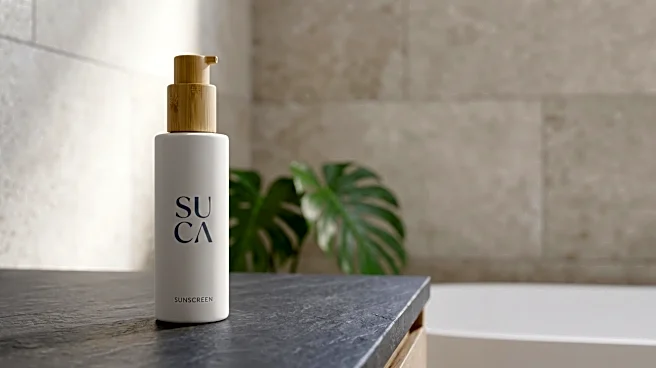
causing irritation. Harsh physical scrubs should be avoided in favor of gentle, grain-free exfoliants. A lightweight moisturizer followed by a suitable sunscreen is advised before makeup application. Hydrating serums and creams are considered essential, and eye treatments and neck care should also be incorporated into the routine. Weekly gentle exfoliation and masks are recommended to maintain clear and vibrant skin. This strategy aims to regulate oil production while preserving a healthy moisture barrier, thereby preventing enlarged pores and reducing blemishes. The approach emphasizes balancing sebum production rather than stripping the skin, which can lead to increased oil production.
Why It's Important?
This detailed guidance on skincare for oily skin is important for U.S. consumers and the beauty industry. For consumers, understanding the correct products and application methods can lead to healthier skin, reducing common issues like acne, enlarged pores, and irritation. This can improve self-esteem and overall well-being. For the beauty industry, this information highlights a demand for specific product formulations: pH-balanced cleansers, lightweight and water-based hydrators, and gentle exfoliants. Companies that innovate in these areas, particularly with botanical ingredients like lavender and geranium, stand to gain market share. The emphasis on avoiding harsh ingredients also signals a shift in consumer preference towards gentler, more natural products, influencing product development and marketing strategies across the U.S. beauty market.
What's Next?
Consumers with oily skin are encouraged to re-evaluate their current skincare routines, potentially switching to pH-balanced cleansers and lightweight, water-based moisturizers. The beauty industry is likely to continue developing and marketing products that align with these recommendations, focusing on gentle, botanical-based formulations. There may be an increased demand for products featuring ingredients like lavender and geranium, known for their oil-regulating and soothing properties. Educational campaigns from skincare brands and dermatologists will likely reinforce the importance of gentle exfoliation and consistent use of sunscreen. Furthermore, the trend towards personalized skincare, where individuals identify their specific skin needs and adjust routines accordingly, is expected to grow, with more tools and resources becoming available to help consumers make informed choices.
Beyond the Headlines
The detailed advice on managing oily skin extends beyond immediate product choices, touching upon broader implications for consumer health and industry practices. The caution against harsh physical scrubs and stripping cleansers underscores a growing awareness of the skin's delicate microbiome and barrier function. Over-aggressive treatments can disrupt this balance, leading to increased sensitivity and a rebound effect in oil production. This highlights a shift from purely aesthetic concerns to a more holistic understanding of skin health, where maintaining the skin's natural defenses is paramount. Ethically, this encourages brands to formulate products that are not only effective but also gentle and sustainable. Culturally, the emphasis on a consistent, gentle routine promotes a self-care mindset, viewing skincare as a long-term investment in health rather than a quick fix. This could lead to a more informed consumer base that demands transparency and efficacy from beauty brands.