








What's Happening?
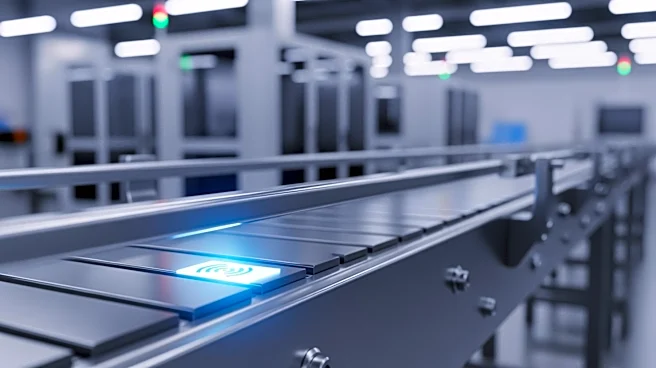
Radio Frequency Identification (RFID) technology is emerging as a pivotal tool in the manufacturing sector, offering a significant upgrade over traditional barcode systems. Unlike barcodes, RFID tags do not require a direct line of sight for scanning,
allowing for more efficient data collection and management. These tags, which can be passive or active, store data on a small chip and communicate wirelessly with RFID readers. Passive RFID tags are cost-effective and suitable for bulk use, while active RFID tags, equipped with internal batteries, offer a longer range and can function as sensors. This technology is particularly beneficial in tracking inventory, managing work-in-process, and ensuring production efficiency. It also aids in quality control by quickly identifying faulty goods or out-of-date materials. The integration of RFID into manufacturing processes is seen as a crucial step towards digital transformation, enhancing productivity and reducing manual labor.
Why It's Important?
The adoption of RFID technology in manufacturing is crucial for maintaining a competitive edge in an industry that is increasingly driven by digital transformation. By improving inventory accuracy and production efficiency, RFID helps manufacturers respond swiftly to market demands and reduce operational costs. The technology's ability to provide real-time visibility into supply chains is invaluable for managing supply and demand, especially in dynamic environments. Furthermore, RFID's role in quality control and waste reduction can lead to significant cost savings and improved product quality. As manufacturers face economic and geopolitical uncertainties, the ability to streamline operations and enhance productivity through RFID could be a decisive factor in their success. The technology's potential to revolutionize manufacturing processes underscores its importance as a strategic investment for the future.
What's Next?
As RFID technology continues to gain traction, manufacturers are likely to increase their investment in this area to fully leverage its benefits. The integration of RFID with existing infrastructure and software is expected to become more seamless, minimizing disruptions to operations. Companies may also explore new applications of RFID, such as in access control and just-in-time manufacturing, to further enhance efficiency. As the technology evolves, it could lead to the development of more advanced RFID systems with greater capabilities, such as enhanced data analytics and machine learning integration. The ongoing digital transformation in manufacturing will likely drive further innovation in RFID technology, making it an integral part of the industry's future landscape.
Beyond the Headlines
The widespread adoption of RFID technology in manufacturing could have broader implications beyond immediate operational improvements. It may lead to shifts in workforce dynamics, as the need for manual labor decreases and demand for skilled workers who can manage and interpret RFID data increases. Additionally, the technology's ability to provide detailed insights into supply chains could influence global trade patterns and logistics strategies. As manufacturers become more reliant on RFID, issues related to data privacy and security may also arise, necessitating the development of robust safeguards to protect sensitive information. The cultural shift towards embracing digital technologies in manufacturing could pave the way for further innovations, ultimately transforming the industry into a more agile and responsive sector.