


What's Happening?
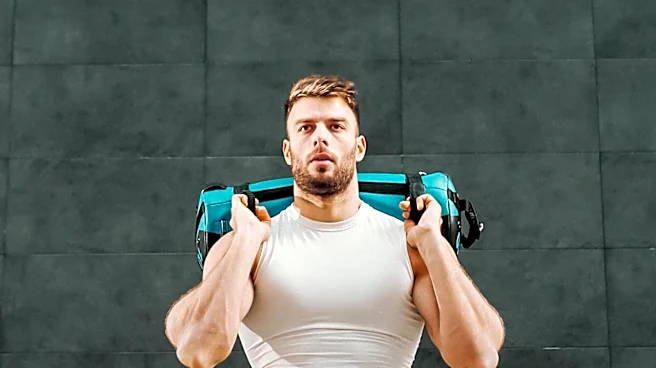
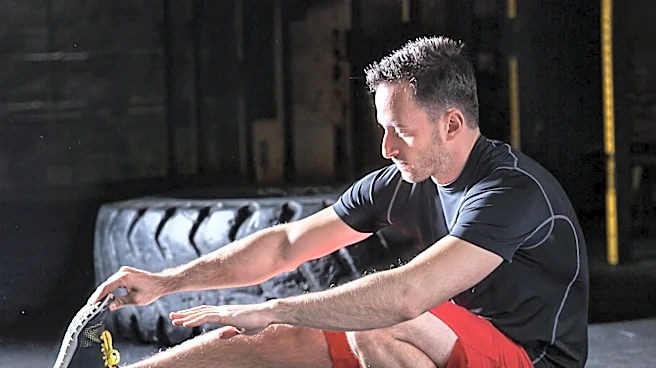
Skiing fitness programs are designed to build strength, power, mobility, and conditioning to improve skiing performance and minimize the risk of injury. These programs incorporate various exercises such as lateral lunges, agility drills, and plyometrics,
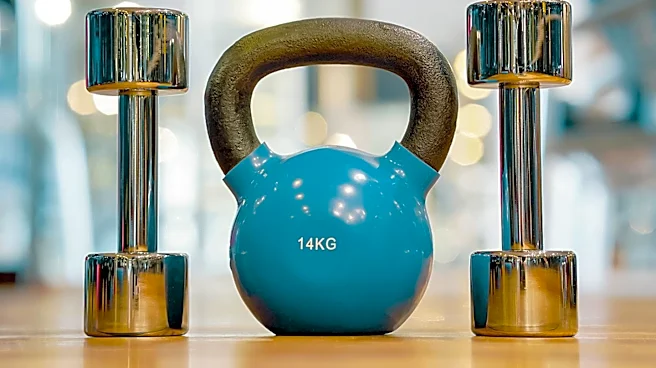
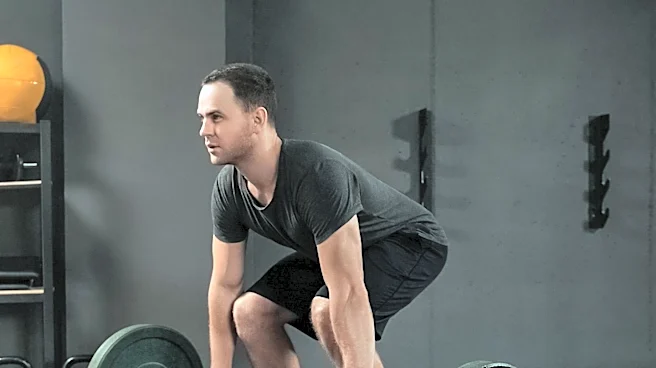
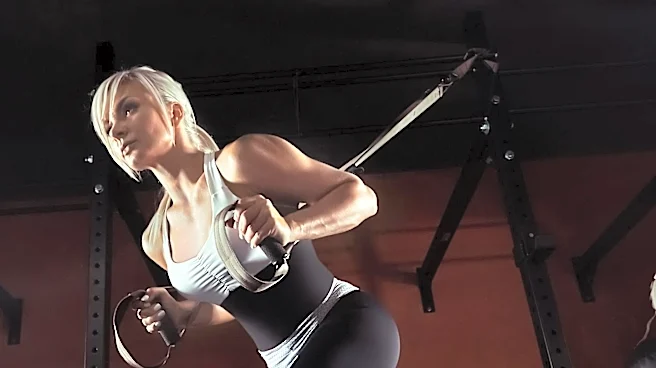
with a specific focus on strengthening the glute medius for better stabilization. Training can be conducted either at home or in a gym setting. Gym workouts typically allow for heavier loads and fewer repetitions, while home workouts often utilize more challenging variations and plyometric exercises to maintain intensity. The overarching goal is to develop functional fitness, ensuring readiness for real-world activities like skiing and hiking, which helps in sustaining long-term engagement with the sport. Ski machines, also known as SkiErgs, are highlighted as effective tools for delivering intense upper-body and core workouts, simultaneously enhancing endurance and coordination.
Why It's Important?
The emphasis on specialized skiing fitness is crucial for both recreational skiers and those looking to advance their skills. By focusing on specific physical attributes like strength, power, and mobility, these programs directly address the demands of skiing, which involves dynamic movements across multiple planes of motion. Improved conditioning allows skiers to perform stronger for longer durations, tackle more challenging and varied terrain, and progress in their technical skills. Furthermore, a significant benefit is the reduction of injury risk, which is a common concern in skiing. For the U.S. winter sports industry, promoting such fitness regimens can lead to a more engaged and safer participant base, potentially increasing participation rates and the longevity of skiers in the sport. This also impacts related sectors, such as sports equipment manufacturers and ski resorts, by fostering a more capable and confident clientele.
What's Next?
Individuals interested in improving their skiing can expect to find a variety of structured fitness programs available, whether through online resources, personal trainers, or specialized fitness centers. The choice between gym-based and home-based workouts will depend on personal preference and access to equipment, with both options offering distinct advantages in terms of load and exercise variation. Continued development in functional fitness methodologies will likely lead to more tailored and efficient training protocols. Skiers are encouraged to consistently engage with these programs, progressively increasing intensity and complexity, to see tangible improvements on the slopes. The integration of ski machines in general fitness routines is also expected to grow, offering a comprehensive full-body workout that mimics the movements of Nordic skiing, thereby appealing to a broader fitness audience beyond just skiers.
Beyond the Headlines
The focus on skiing-specific fitness extends beyond mere physical preparation; it embodies a holistic approach to sports engagement. By prioritizing injury prevention and sustained performance, these programs contribute to a culture of responsible athleticism. The concept of functional fitness, which emphasizes real-world readiness, highlights a broader shift in exercise philosophy towards practical application rather than isolated muscle development. This approach can foster a deeper connection between individuals and their chosen activities, promoting lifelong participation in sports like skiing. Moreover, the accessibility of both gym and home-based training options democratizes fitness, allowing a wider demographic to prepare effectively for winter sports, regardless of their immediate access to specialized facilities. This trend underscores the evolving understanding of how physical conditioning can enhance not just performance, but also enjoyment and safety in recreational pursuits.