






What's Happening?
Vault Strategic Mining has announced plans to conduct an unmanned aerial vehicle (UAV)-based magnetic survey at its War Bond Tungsten Project in western Nevada, USA. The survey, which will be executed by Pioneer Exploration Consultants, aims to cover
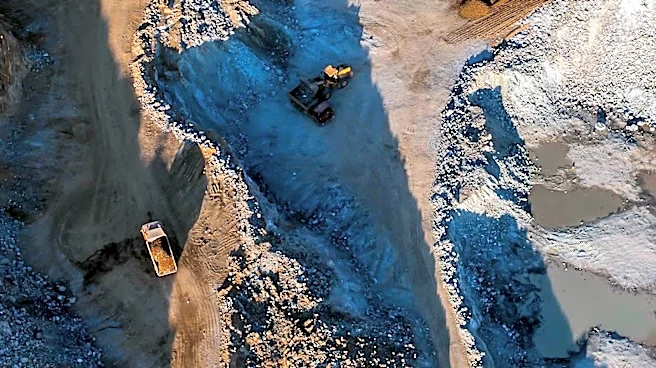
approximately 70 kilometers of flight lines at 25-meter intervals, supplemented by 250-meter tie lines. This initiative is designed to gather dense geophysical data over the area, which includes historical sites such as the War Bond, Tactite, and Thursday mines. The project spans 20 unpatented lode mining claims over approximately 400 acres in the Delaware Mining District. The UAV survey is intended to refine geological models, map structural features, and identify potential tungsten-related targets for future drilling. The equipment to be used includes the Blacksquare Hercules drone platform and GEM Systems magnetometers. The company plans to use publicly available light detection and ranging data to enhance flight safety and data accuracy.
Why It's Important?
This development is significant as it represents a strategic move by Vault Strategic Mining to advance its exploration efforts in one of the world's top mining jurisdictions. The use of UAV technology for magnetic surveys is a modern approach that allows for high-resolution data collection, which is crucial for identifying viable drilling targets. The War Bond Tungsten Project's historical data indicates the presence of tungsten mineralization, which could be economically valuable if confirmed by new drilling and studies. This project could potentially contribute to the U.S. tungsten supply, reducing reliance on imports and supporting domestic industries that utilize tungsten in manufacturing and technology.
What's Next?
Following the UAV survey, Vault Strategic Mining plans to integrate the collected data with existing mapping, sampling, and historical records to delineate priority targets. The company aims to develop a disciplined drill program based on these findings. Additionally, confirming historical results will require new drilling and updated metallurgical studies compliant with National Instrument 43-101 standards. The success of this survey could lead to further exploration and development activities, potentially increasing the project's value and attracting investment.