






What's Happening?
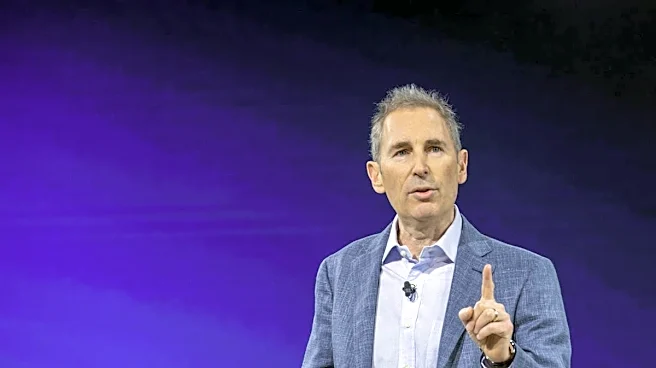
Boris Cherny, the creator of Claude Code, has introduced five job archetypes that he believes will define the future of work in the AI era. These archetypes include the 'Prototyper,' who is responsible for generating new ideas; the 'Builder,' who transforms
prototypes into production-grade products; the 'Sweeper,' who optimizes and simplifies processes; the 'Grower,' who expands and iterates on existing products; and the 'Maintainer,' who ensures products remain secure and efficient as they scale. Cherny suggests that these roles reflect a shift from traditional, domain-specific job titles to more integrated and flexible roles. This perspective aligns with broader industry trends where job titles are evolving, and roles are merging, as noted by other industry leaders like Figma CEO Dylan Field.
Why It's Important?
The introduction of these archetypes highlights a significant shift in how work is structured in the AI-driven future. As AI continues to integrate into various industries, traditional job roles are being redefined, potentially leading to more dynamic and flexible work environments. This evolution could impact how companies structure their teams, prioritize skills, and manage talent. For businesses, adapting to these changes is crucial to remain competitive and innovative. Employees may need to develop a broader skill set to fit into these new archetypes, emphasizing adaptability and continuous learning. The shift also raises questions about the future of management roles and how leadership will adapt to these changes.
What's Next?
As companies continue to integrate AI into their operations, the adoption of these archetypes could become more widespread. Businesses may begin restructuring their teams to align with these roles, potentially leading to changes in hiring practices and employee development programs. There may also be increased discussions around the implications of AI on job security and the need for reskilling the workforce. Industry leaders and policymakers might engage in dialogues to address these challenges and opportunities, ensuring that the workforce is prepared for the evolving job landscape.
Beyond the Headlines
The shift towards these archetypes could have deeper implications for workplace culture and employee identity. As roles become more fluid, employees might experience changes in how they perceive their contributions and career paths. This could lead to a reevaluation of job satisfaction and motivation, as well as the development of new metrics for performance evaluation. Additionally, the blending of roles might challenge traditional hierarchies and power dynamics within organizations, prompting a cultural shift towards more collaborative and less hierarchical structures.