





What's Happening?
Hawaiian Airlines is implementing changes to its check-in and bag drop procedures for Neighbor Island flights, requiring travelers to complete these processes at least 50 minutes before departure, an increase from the previous 30 minutes. This adjustment
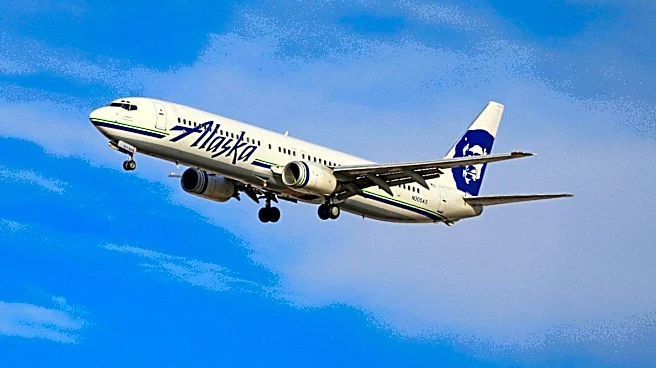
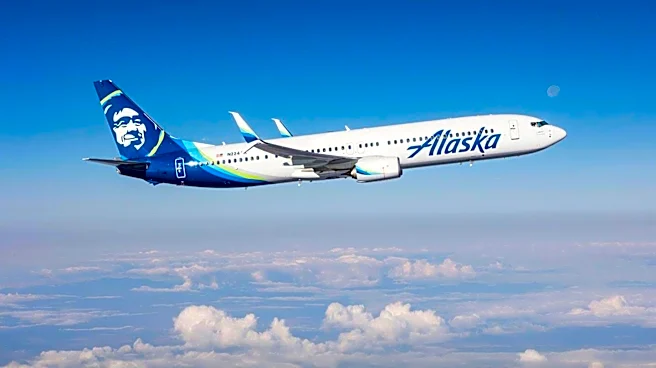
coincides with Alaska Airlines beginning three daily Boeing 737 flights between Honolulu and Kahului. These new flights are part of the integration efforts between Alaska and Hawaiian Airlines, aiming to support Neighbor Island capacity during a transitional period. Additionally, all Hawaiian Airlines international departures will see their check-in and bag drop move to Terminal 2, Lobby 4, starting Saturday. Hawaiian Airlines Chief Executive Officer Diana Birkett Rakow stated that these changes are designed to maintain connectivity between island communities while preparing for a fleet transition. The Hawaii Department of Transportation is working closely with both airlines to ensure smooth airport operations.
Why It's Important?
This operational shift by Hawaiian Airlines, in conjunction with Alaska Airlines' new inter-island flights, signifies a critical phase in the integration of the two airlines. The increased check-in time for Neighbor Island flights could impact travel convenience for residents and tourists, potentially requiring earlier arrivals at the airport. The introduction of Alaska Airlines' 737s on inter-island routes is a strategic move to bolster capacity, especially as Hawaiian Airlines prepares to retire its 717 fleet and replace it with Hawaiian-branded 737s around 2028. This transition will affect the logistics of inter-island travel, including gate requirements, passenger flow, and baggage handling. The changes also highlight the broader trend of airlines optimizing their networks and operations, which can lead to both improved efficiency and altered passenger experiences in the U.S. travel market.
What's Next?
Starting Saturday, Alaska Airlines will commence its three daily Boeing 737 flights between Honolulu and Kahului, and Hawaiian Airlines' new check-in deadlines will take effect. The 737 flights will serve as a test case for airport operators, state transportation officials, and the airlines to evaluate various operational aspects, including jet bridge settings, gate requirements, and passenger flow, before a larger 737 rollout. Travelers are encouraged to check their flight information and allow extra time for airport procedures. The Hawaii Department of Transportation will continue to collaborate with both airlines to ensure a smooth transition. The long-term plan involves Hawaiian Airlines retiring its 717 fleet and replacing it with 737s based in Honolulu around 2028, indicating further changes to inter-island air travel in the coming years.
Beyond the Headlines
The integration of Alaska Airlines and Hawaiian Airlines, marked by these operational changes, reflects a broader consolidation trend within the U.S. airline industry. Such mergers often lead to a re-evaluation of fleet strategies, route networks, and passenger services. While the immediate impact is on inter-island travel logistics and passenger convenience, the long-term implications could include a more standardized travel experience across the combined entity, potentially affecting pricing, loyalty programs, and service offerings. The shift from Hawaiian's 717 fleet to 737s also represents a modernization effort, which could bring about efficiencies in fuel consumption and maintenance, but also requires significant infrastructure adjustments at airports. This transition underscores the dynamic nature of the airline industry, constantly adapting to market demands, technological advancements, and competitive pressures.