



What's Happening?
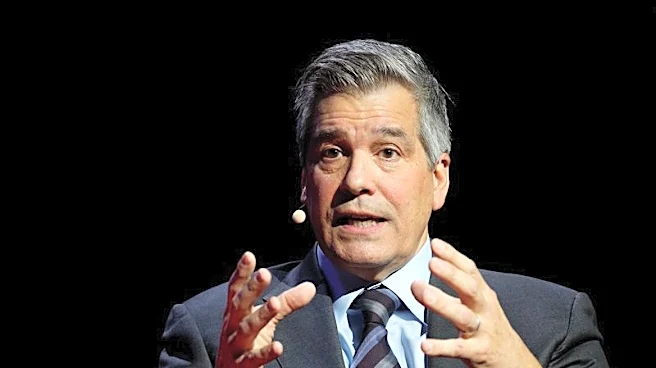
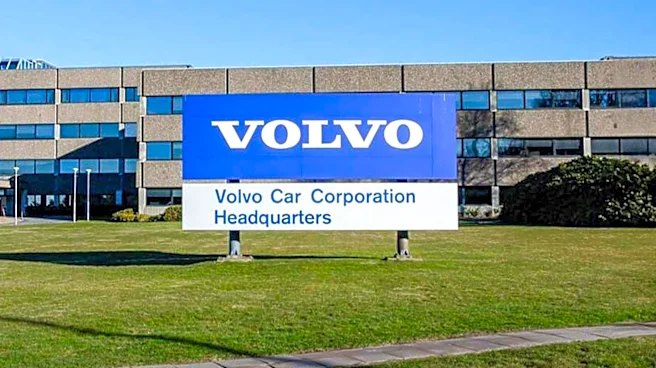
Volvo's leadership has acknowledged significant struggles in the U.S. market, citing difficulties in achieving profitability and a 50-year low in consumer sentiment towards the brand. During its third-quarter earnings call, Chief Commercial Officer Erik
Severinson stated that the U.S. has been a challenging market for profitability. CEO Hakan Samuelsson admitted that the company overlooked the potential impact of tariffs, recognizing a need for greater localization in the U.S. to address these issues. The company's South Carolina plant is currently operating at only 20% capacity, producing the Volvo EX90 and soon the XC60. Volvo plans to introduce a second new multi-powertrain vehicle from this plant by the end of the decade, aiming for flexibility with all-electric, plug-in, or hybrid options, as the U.S. is electrifying slower than other global markets. The EX60 electric SUV, intended to compete with models like the BMW iX3 and Mercedes-Benz GLC Electric, has faced manufacturing challenges, leading to prioritization of European markets for its rollout.
Why It's Important?
Volvo's struggles in the U.S. market highlight the complexities and challenges faced by foreign automakers in adapting to the dynamic American automotive landscape. The admission of low consumer sentiment and profitability issues could impact Volvo's market share and brand perception in a highly competitive environment. The company's strategy to prioritize localization and offer multiple powertrain options, including hybrid and plug-in hybrid vehicles, reflects a pragmatic approach to the slower pace of EV adoption in the U.S. This shift could influence other automakers' strategies regarding their product offerings and manufacturing footprints in the country. The underutilization of the South Carolina plant also has economic implications for local employment and manufacturing output, underscoring the need for Volvo to revitalize its U.S. operations to ensure long-term viability and contribute to the American manufacturing sector.
What's Next?
Volvo plans to address its U.S. market challenges by increasing localization efforts and introducing a new multi-powertrain vehicle from its South Carolina plant by the end of the decade. This new vehicle will offer all-electric, plug-in, or hybrid options to cater to the U.S. market's slower electrification rate. The company will likely focus on improving manufacturing efficiency for models like the EX60 and enhancing its supply chain to mitigate tariff impacts. Future earnings calls and corporate announcements will provide further insight into the progress of these strategic adjustments and their impact on Volvo's financial performance and market position in the U.S. The success of these initiatives will be crucial for Volvo to regain profitability and improve consumer confidence in the American market.
Beyond the Headlines
The challenges faced by Volvo in the U.S. extend beyond immediate profitability and consumer sentiment, touching upon broader themes of global trade, manufacturing strategy, and the pace of technological adoption. The impact of tariffs on Volvo's business underscores the vulnerability of international supply chains to geopolitical shifts and trade policies. Furthermore, the observation that the U.S. is electrifying slower than other regions highlights a divergence in global automotive trends, potentially leading to different product development and market strategies for various regions. This situation could prompt a re-evaluation of global manufacturing and distribution models by other multinational corporations, emphasizing the importance of regional adaptation and localized production to navigate complex market dynamics and regulatory environments. The long-term success of Volvo's localization strategy could serve as a case study for other companies facing similar challenges.