





What's Happening?
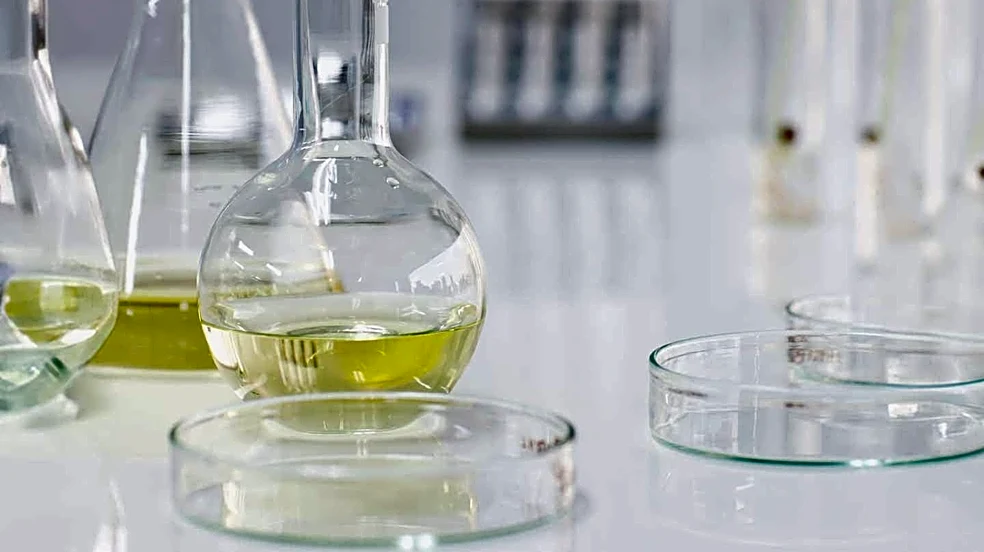
Advanced biotechnologies, specifically precision fermentation and plant cell culture (PCC), are emerging as sustainable alternatives for producing ingredients, aiming to reduce reliance on traditional agriculture. Precision fermentation utilizes microorganisms
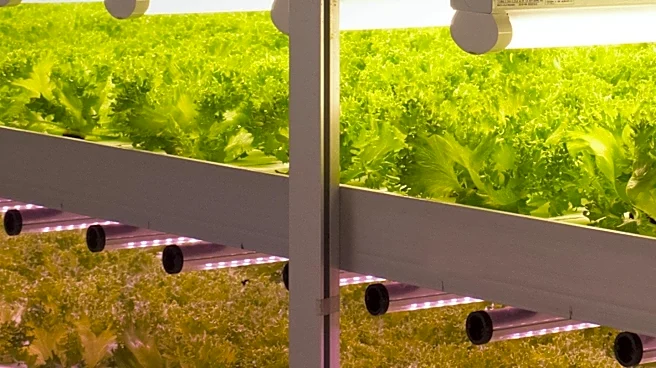
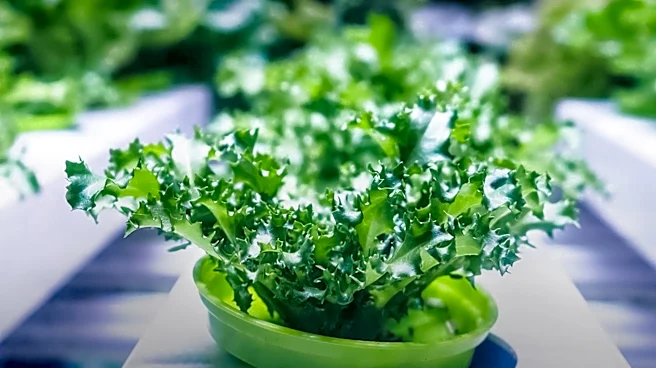
to create bio-identical ingredients, offering consistent composition and potency regardless of agricultural conditions. Plant cell culture, on the other hand, grows biomass in controlled environments, preserving the plant's biological machinery for complex botanical compounds. Both technologies promise reduced environmental footprints, uninterrupted production, and elimination of contamination concerns. U.S.-based innovators like Provenance Bio are developing precision fermentation collagen, emphasizing purity and sustainability over animal-sourced materials, which can carry risks like heavy metals and pathogens. Ayana Bio, another U.S. firm, is using AI-enabled parallel screening in PCC to produce climate-sensitive botanicals like saffron, which is often subject to geopolitical turmoil and adulteration. Despite these advancements, both technologies face significant economic and scaling challenges in moving from laboratory yields to commercial production, with early-stage startups often lacking access to large-scale bioreactor infrastructure.
Why It's Important?
The development and commercialization of precision fermentation and plant cell culture are crucial for the U.S. and global food and supplement industries, offering a path toward more resilient and sustainable supply chains. These technologies can mitigate risks associated with traditional agriculture, such as climate change impacts, soil degradation, and pesticide use, ensuring a more stable supply of high-quality ingredients. For consumers, these innovations could lead to purer products free from contaminants often found in animal-sourced materials, addressing growing demands for health and safety. The shift towards these green technologies also aligns with increasing consumer and industry focus on environmental sustainability, potentially reducing carbon emissions, land, and water usage. However, the economic viability and scalability remain significant hurdles. If these technologies cannot become cost-competitive at larger scales, their widespread adoption will be limited, impacting their potential to transform the industry and address environmental concerns effectively. The success of U.S. innovators in overcoming these challenges could position the country as a leader in sustainable ingredient production.
What's Next?
The immediate next steps for precision fermentation and plant cell culture involve overcoming the economic and infrastructure challenges to achieve commercial scale. Companies like Danone and its partners are establishing initiatives, such as the Biotech Open Platform (BIOP), to support the scale-up of innovations in this industry, indicating a collaborative effort to address infrastructure gaps. Regulatory bodies, particularly in Europe, are also adapting their frameworks; the European Food Safety Authority (EFSA) plans to adjust its risk assessment pathway for these novel products, acknowledging the rapid pace of bio-engineering and AI advancements. This regulatory evolution will be critical for market access and consumer acceptance. For U.S. companies, the ability to commercialize products in the U.S. market first, due to potentially less stringent initial regulatory hurdles compared to Europe, could provide a competitive advantage. Continued investment in research and development, coupled with strategic partnerships, will be essential to reduce production costs and expand manufacturing capabilities, ultimately determining the widespread adoption and impact of these technologies.
Beyond the Headlines
Beyond the immediate commercialization challenges, the rise of precision fermentation and plant cell culture introduces deeper ethical and societal implications. There are concerns within the industry that these technologies could face consumer perception challenges similar to those encountered by the meat cell culture industry, with worries about displacing traditional farmers. However, proponents argue that these technologies are complementary, not replacements, and their perception is improving due to increased awareness of climate change. The ability to produce complex botanical compounds and essential nutrients in controlled environments also raises questions about food sovereignty and the potential for nations to become less reliant on specific agricultural regions or geopolitical stability for critical resources. Furthermore, the development of 'superior' functionality alternatives to animal-derived proteins, as seen with Provenance Bio's collagen, could fundamentally alter dietary norms and preferences, leading to a re-evaluation of what constitutes 'natural' or 'healthy' food. The long-term impact on global agricultural economies and the potential for new forms of bio-piracy or intellectual property disputes over engineered biological processes are also emerging considerations.