
What's Happening?
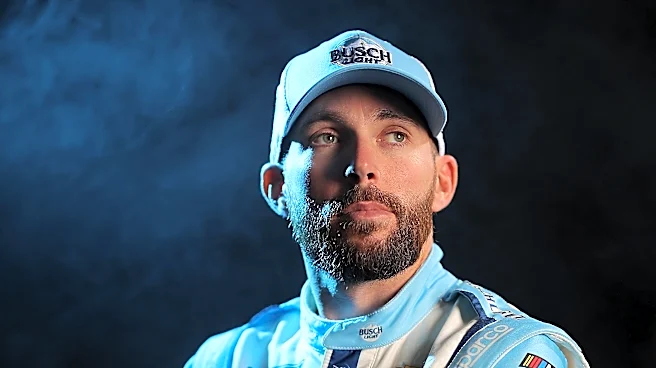
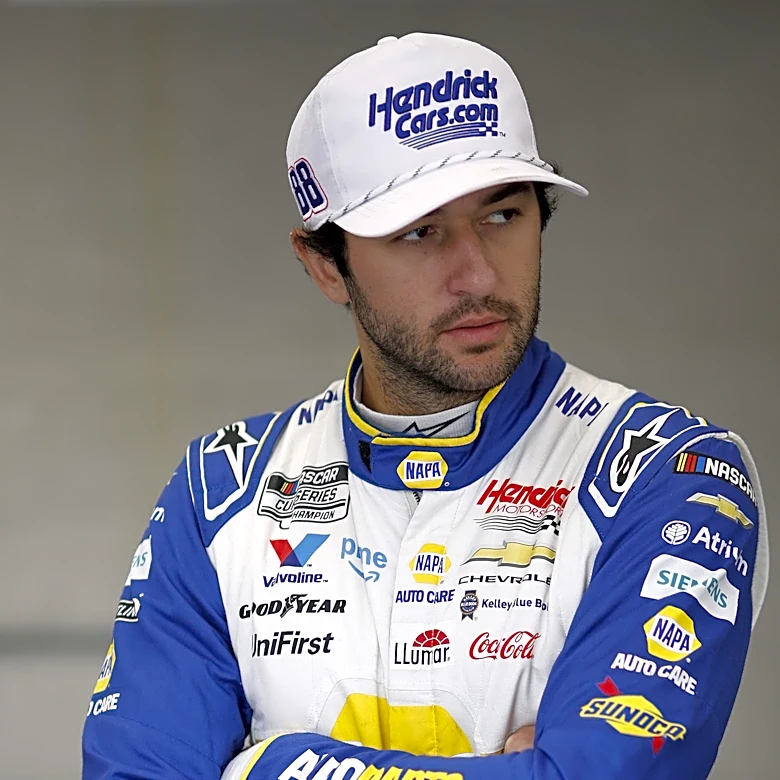
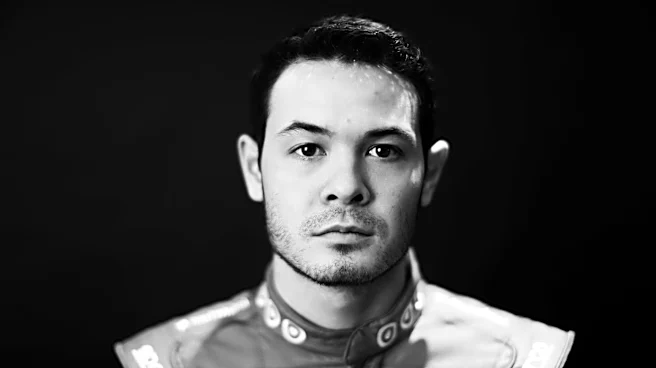
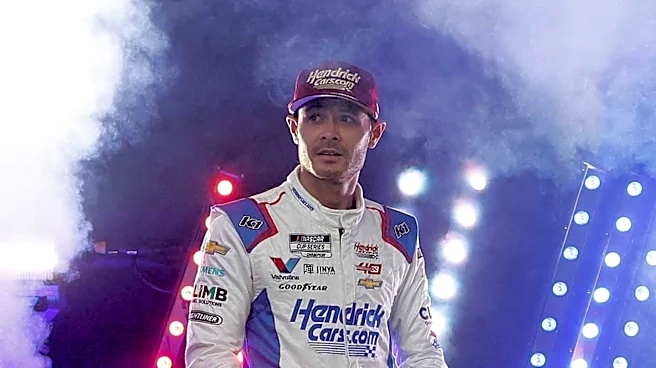
NASCAR driver Ross Chastain has publicly addressed the long-standing theory that a 2023 phone call with Rick Hendrick, following an incident with Kyle Larson at Darlington, led to a taming of his aggressive driving style and a subsequent slump in performance.
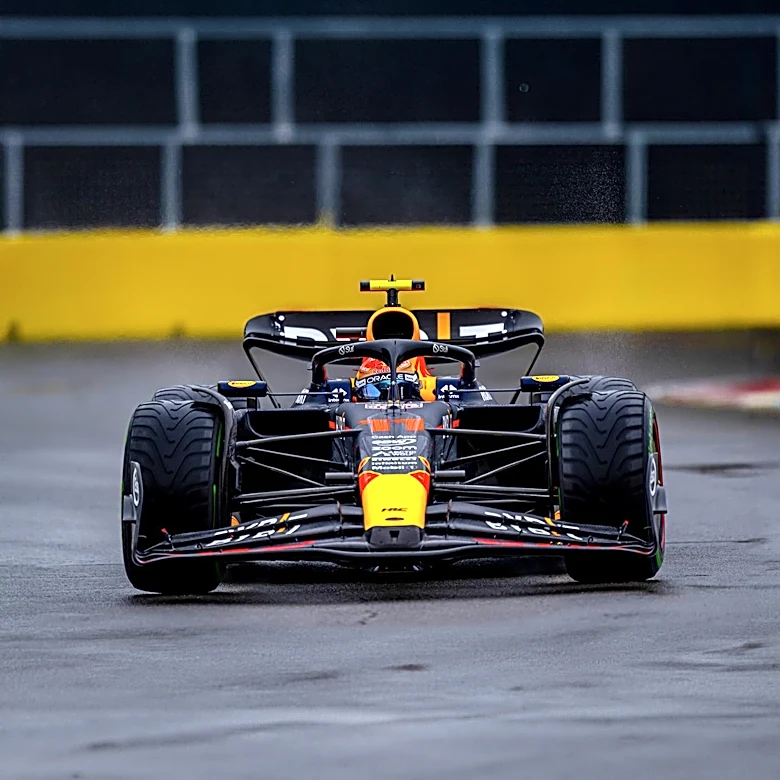
Chastain asserts that this theory is incorrect, stating that the conversation with Hendrick was, in fact, inspiring and encouraged him to race harder. He clarifies that the decline in his and his Trackhouse Racing team's speed in 2024 and 2026 is due to a slower car, not a change in his driving approach. Chastain emphasized that he drives 'as fast as I can' into and out of corners and that his teammates, including Daniel Suarez, have also experienced a slowdown. He expressed dissatisfaction with his 18th-place finish in the 2026 NASCAR Cup Series points, highlighting his determination to improve.
Why It's Important?
Chastain's clarification is significant for several reasons within the NASCAR community. Firstly, it directly challenges a widely held narrative among fans and media, potentially shifting public perception of his driving philosophy and the factors influencing a driver's performance. This impacts fan engagement and how Chastain is viewed as a competitor. Secondly, his comments about the car's performance highlight the critical role of equipment in NASCAR, underscoring that even highly skilled drivers are dependent on their machinery. This could draw attention to the technical development within Trackhouse Racing and the broader competitive landscape of the Cup Series. Lastly, his determination to 'outwork' other top drivers like Kyle Larson and Carson Hocevar signals his commitment to regaining a competitive edge, which could fuel future rivalries and exciting on-track action, benefiting the sport's entertainment value.
What's Next?
Following Chastain's statements, the focus will likely shift to Trackhouse Racing's performance in upcoming seasons. The team will face increased scrutiny regarding their car development and speed, especially given Chastain's assertion that a slower car is the primary reason for their recent struggles. Fans and analysts will be watching closely to see if the team can deliver more competitive vehicles, allowing Chastain to demonstrate his aggressive driving style and contend for wins. Chastain's commitment to 'outwork' his rivals suggests a continued intense approach to his craft, which could lead to more assertive driving on track. This could also reignite discussions about driver aggression and the balance between competitive driving and on-track etiquette within NASCAR.
Beyond the Headlines
Chastain's remarks touch upon a deeper aspect of professional sports: the interplay between individual talent and team resources. His insistence that a slower car, rather than a change in his personal approach, is responsible for his performance dip highlights the often-overlooked mechanical and engineering aspects that underpin athletic success. This situation could spark broader conversations within NASCAR about the transparency of team performance issues and the pressure on drivers to maintain a certain image, even when external factors are at play. It also underscores the psychological impact of public perception on athletes, as Chastain felt compelled to address a 'myth' that had persisted for years. This scenario offers a glimpse into the complex dynamics of blame, responsibility, and performance in high-stakes competitive environments.