
What's Happening?
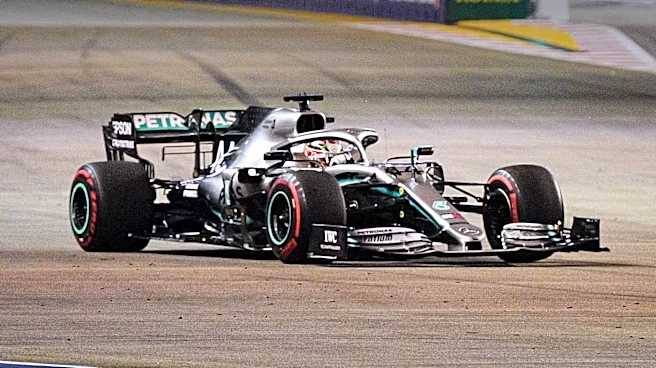
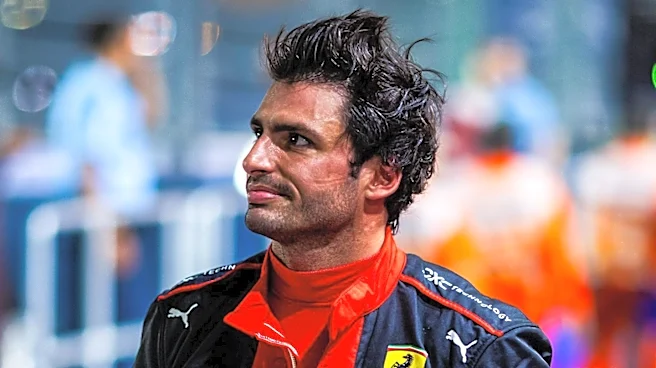
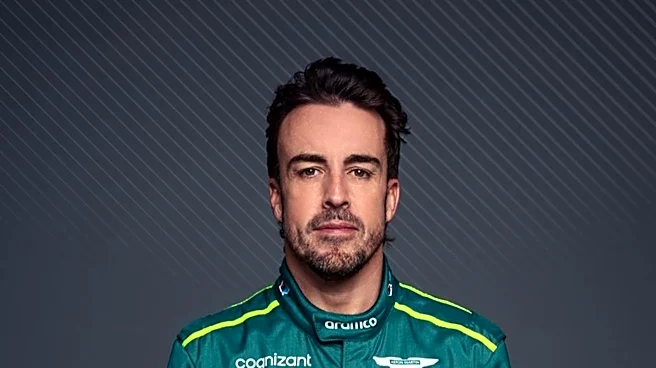
Max Verstappen, a prominent Formula 1 driver, has publicly stated his refusal to use the cooling vest provided by the FIA for the upcoming Singapore Grand Prix. The FIA introduced the option of a cooling vest to offer
relief to drivers in extreme heat conditions, a measure prompted by several drivers falling ill during the 2023 Qatar Grand Prix. Despite Singapore being recognized as one of the most physically demanding races due to its high temperatures and humidity, Verstappen believes the vest is unnecessary for him. He cited concerns about the vest's 'stupid' cables limiting his movement within the car and expressed skepticism about its effectiveness for the entire duration of a one-and-a-half-hour race. Verstappen emphasized that while the conditions are hot, they are not comparable to a sauna, and he does not require the aid.
Why It's Important?
Verstappen's decision highlights a broader discussion within Formula 1 regarding driver safety and comfort in extreme racing conditions. While the FIA's initiative to provide cooling vests aims to mitigate health risks, a top driver's rejection of the equipment raises questions about its practical design and perceived benefits. This situation could influence future developments in driver safety gear, potentially pushing for more ergonomic and less restrictive solutions. It also underscores the individual preferences and physical conditioning of elite athletes, where some may prioritize unrestricted movement over perceived cooling advantages. The incident could lead to further dialogue between drivers, teams, and the FIA to refine safety protocols and equipment, ensuring they are both effective and acceptable to the competitors.
What's Next?
Following Verstappen's stance, it is likely that the FIA and Formula 1 teams will continue to evaluate and potentially refine driver cooling solutions. Other drivers may follow Verstappen's lead or express their own opinions on the effectiveness and practicality of the cooling vests, potentially leading to a review of the current design. The ongoing discussion about driver well-being in challenging environments, especially in races with extreme heat and humidity, will persist. Future iterations of safety equipment might focus on minimizing interference with driver movement while maximizing cooling efficiency. The outcome of the Singapore Grand Prix, particularly concerning driver endurance and any heat-related incidents, could further inform these discussions and decisions.
Beyond the Headlines
This situation touches upon the delicate balance between safety regulations and competitive performance in high-stakes sports like Formula 1. While the FIA's intention is to protect drivers, the implementation of such measures must also consider the athletes' need for optimal performance and comfort. Verstappen's rejection of the vest, citing movement limitations, underscores how even minor physical constraints can be perceived as significant disadvantages in a sport where milliseconds matter. This incident could spark a broader conversation about how regulatory bodies introduce new safety equipment, emphasizing the importance of driver input and extensive testing to ensure that solutions are both effective and practical without inadvertently hindering performance or creating new issues. It also highlights the psychological aspect of racing, where a driver's confidence in their equipment is paramount.