






What's Happening?
Retail trends for 2027 indicate a shift towards purposeful shopping, where consumers are making more deliberate choices and seeking comfort, small joys, and a sense of control in their purchases. According to forecasts from WGSN, Mintel, Circana, and other
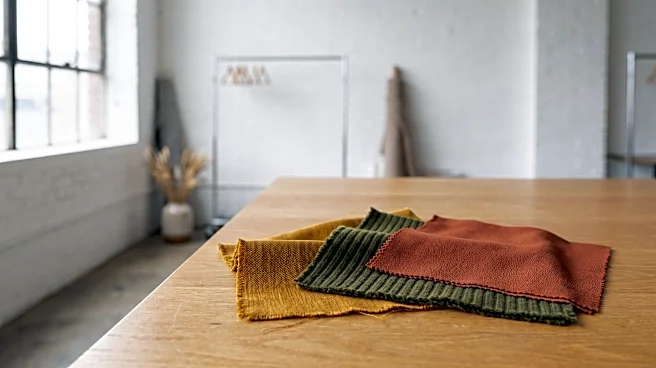
leading independent forecasters, customers are increasingly prioritizing products that offer calming, tactile, familiar, or joyful experiences. This trend is evident across various categories, including gifting, home goods, fashion, and beauty. In gifting, there's a rise in 'micro gifting' and 'little luxuries,' with self-gifting framed as emotional maintenance. Home decor is moving towards authenticity and intelligent functionality, featuring sage and deeper greens, clay neutrals, and tactile textiles. Fashion emphasizes accessories that personalize classic styles, while beauty sees a growth in fragrance as a wellbeing ritual and a shift from anti-aging to 'skin longevity' in skincare. Consumers are also valuing reviews, demos, and user-generated content more at the point of sale.
Why It's Important?
These evolving retail trends are highly significant for U.S. businesses as they dictate consumer spending patterns and purchasing priorities. Retailers who align their strategies with these preferences stand to gain a competitive edge by offering products and experiences that resonate with the modern consumer's emotional and practical needs. The emphasis on purposeful shopping means that brands must move beyond mere product features to communicate value, comfort, and personal relevance. The rise of 'micro gifting' and self-care products presents new opportunities for market segmentation and product development, particularly for smaller, accessible price points. For industries like home goods and beauty, understanding the shift towards authenticity, sustainability, and wellbeing rituals can inform product design, marketing messages, and inventory management. Businesses that fail to adapt to these nuanced consumer behaviors risk losing market share to more responsive competitors.
What's Next?
Looking ahead, retailers should focus on building their 2027 buying strategies around five key threads: comfort spending, engaging the senses, refreshing the familiar, collecting and accumulation, and a shared color palette. This involves offering accessible price points, treat-sized formats, and gift-with-purchase options across all categories. Products that engage multiple senses, such as tactile textiles and aromatic beauty items, will be crucial. There will be a continued demand for heritage prints on new formats and nostalgic licenses, alongside classic items in updated colors. Retailers should also cater to the trend of collecting and accumulation, with blind boxes, layered jewelry, and fragrance wardrobes. Finally, adopting a shared color palette, including sage to deep green, earthy neutrals, purple, and saturated blue, can create a cohesive cross-category aesthetic. These strategies will enable retailers to tell a clear and compelling story in-store and online, meeting the evolving demands of the purposeful shopper.
Beyond the Headlines
The shift towards purposeful shopping and emotional connection in retail reflects broader societal changes, including an increased focus on mental well-being, sustainability, and personal expression. Consumers are seeking more than just utility; they desire products that contribute to their overall sense of comfort, joy, and control in an often-unpredictable world. This trend could lead to a re-evaluation of mass consumption, favoring quality, longevity, and ethical production over fast fashion and disposable goods. The emphasis on 'skin longevity' over 'anti-aging' in beauty, for instance, signifies a cultural move towards self-acceptance and holistic well-being rather than solely combating the signs of aging. Furthermore, the growing importance of user-generated content and reviews highlights a desire for authenticity and community-driven validation, potentially diminishing the influence of traditional advertising and celebrity endorsements. These deeper implications suggest a more conscious and values-driven consumer landscape in the coming years.