







What's Happening?
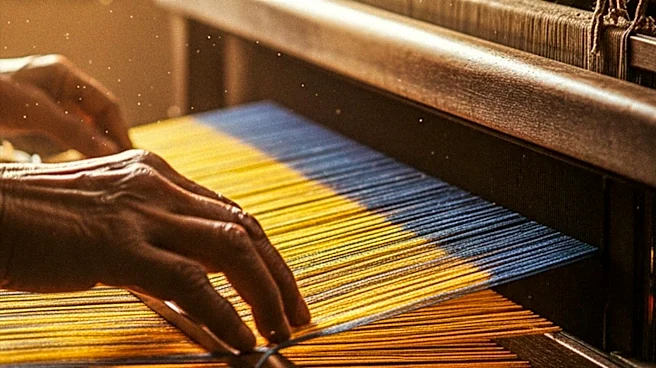
A recent study conducted by the University of Leeds has found that the construction of cotton fabrics significantly influences their recycling potential. Specifically, cotton fabrics with fewer yarn crossings are capable of yielding longer recycled fibers.
This discovery is crucial for the textile industry's efforts to improve sustainability and circularity in material use. The research examines how different textile constructions affect the quality and length of fibers that can be recovered during the recycling process. This finding suggests that design choices made at the manufacturing stage can have a direct impact on the end-of-life viability of cotton garments, potentially leading to more efficient and higher-quality recycled materials. The study's insights could guide manufacturers in designing products that are inherently more recyclable.
Why It's Important?
This research is important for the U.S. textile industry and its sustainability goals. The ability to yield longer recycled fibers from cotton fabrics means that recycled materials can maintain a higher quality, making them suitable for a wider range of new products. This could reduce the industry's reliance on virgin cotton, thereby decreasing environmental impacts associated with cotton cultivation, such as water usage and pesticide application. For businesses, this could lead to cost savings in raw materials and enhance their brand image as environmentally responsible. Consumers stand to benefit from more sustainable product options and potentially more durable recycled textile goods. The study highlights a pathway for the U.S. fashion and textile sectors to move towards a more circular economy, where waste is minimized and resources are reused effectively, addressing growing consumer demand for eco-friendly products.
What's Next?
The findings from the University of Leeds study are likely to prompt further research and development within the textile industry. Manufacturers may begin to explore new design and weaving techniques that incorporate fewer yarn crossings to optimize their products for recycling. Textile recycling facilities could also adapt their processes to better handle fabrics designed for enhanced recyclability, potentially leading to new machinery and methodologies. Industry standards and certifications for sustainable textiles might evolve to include criteria related to fabric construction and its impact on recyclability. Additionally, collaborations between academic institutions, textile manufacturers, and recycling companies are expected to increase, aiming to translate these research insights into practical, scalable solutions for a more sustainable textile supply chain.
Beyond the Headlines
Beyond the immediate implications for textile recycling, this study touches upon broader ethical and environmental considerations within the fashion industry. It underscores the concept of 'design for circularity,' where sustainability is integrated into the very first stages of product development. This approach challenges the traditional linear model of 'take-make-dispose' and promotes a more holistic view of a product's lifecycle. The emphasis on fabric construction also highlights the intricate relationship between material science and environmental impact, suggesting that seemingly minor technical details can have significant ecological consequences. This shift towards conscious design could foster a culture of innovation focused on longevity, repairability, and recyclability, ultimately leading to a more responsible and resilient fashion ecosystem.