





What's Happening?
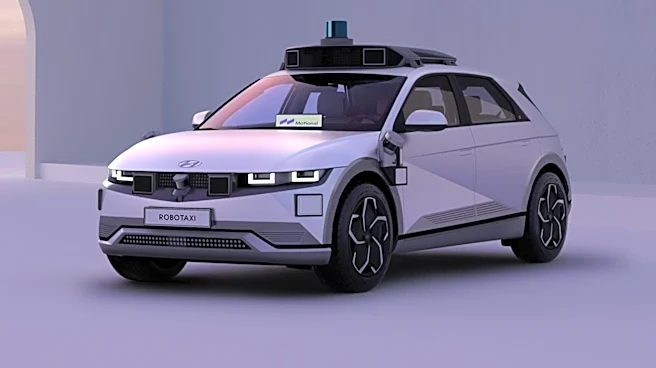
Uber Technologies reported a 22% year-over-year increase in gross bookings for the second quarter, reaching over $58 billion. CEO Dara Khosrowshahi emphasized the company's focus on autonomous vehicles, aiming to expand operations to 15 cities by the end
of the year. The company also achieved a 35% growth in non-GAAP earnings per share and surpassed $10 billion in trailing 12-month free cash flow. Despite challenges in Brazil due to increased competition, Uber maintained its market share by shifting incentives towards the supply side. The company is also planning to acquire Delivery Hero, which is expected to expand its market reach significantly.
Why It's Important?
Uber's strong financial performance and strategic focus on autonomous vehicles indicate its commitment to innovation and market expansion. The company's ability to maintain growth despite competitive pressures in markets like Brazil highlights its resilience. The planned acquisition of Delivery Hero could significantly enhance Uber's market presence, potentially doubling the number of markets where it offers both mobility and delivery services. This expansion into autonomous vehicles and delivery services positions Uber as a leader in the evolving transportation and logistics industry.
What's Next?
Uber plans to continue its investment in autonomous vehicles, with a target to operate in 15 cities by year-end. The company is also focusing on integrating Delivery Hero's operations, which is expected to be completed by the second half of 2027. As Uber expands its autonomous vehicle operations, it will likely face regulatory challenges and competition from other tech companies. The company's ability to navigate these challenges will be crucial for its long-term success.