








What's Happening?
Amazon has announced the release of five new or upgraded Alexa-powered devices, aiming to broaden the functionality of its voice assistant beyond traditional voice commands. The new lineup, introduced on October 28, includes a camera-equipped Echo Studio,
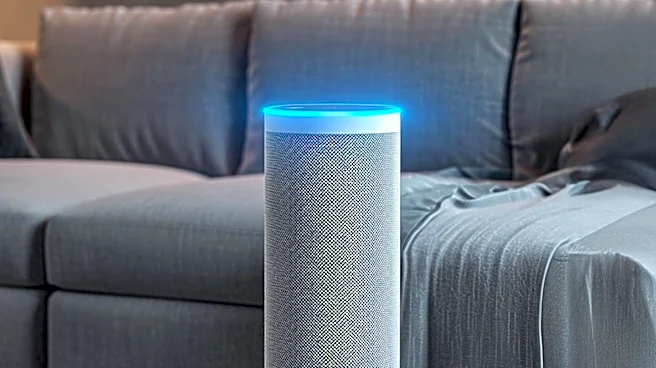
a smart bedside clock called Echo Time, an AI-powered photo frame, an updated Echo Dot, and a redesigned 16-inch Echo Show. These products are designed to integrate Alexa into visual assistance, sleep-aware alarms, photo management, and home monitoring. The Echo Studio with Home Camera can recognize objects and assist with reordering or explaining rules, while the Echo Dot now features a built-in smart home hub and a Wi-Fi extender. The Echo Show 16 boasts a 16-inch high-definition display with a Nanomatte option to reduce glare, auto-framing, and night vision for Live View. The Echo Time offers sleep sensing, and the Alexa Photo Frame intelligently displays pictures from Amazon Photos.
Why It's Important?
This expansion of Amazon's Alexa ecosystem signifies a strategic move to deepen its presence in the smart home market and enhance user engagement through multi-modal interactions. By incorporating cameras and visual intelligence into devices like the Echo Studio and Echo Show 16, Amazon is shifting Alexa from a purely auditory assistant to one that can interpret visual cues, potentially making it more intuitive and helpful for daily tasks. The integration of a smart home hub and Wi-Fi extender into the Echo Dot simplifies smart home setup and improves connectivity, which could drive broader adoption of connected devices. For consumers, these advancements offer more comprehensive home management, entertainment, and personal assistance options. For Amazon, this move strengthens its competitive position against rivals in the smart home technology sector, such as Apple, by offering a wider range of integrated solutions and potentially increasing reliance on its services.
What's Next?
The new Echo Dot, Echo Studio with Home Camera, Echo Time, and Alexa Photo Frame are currently available for purchase. The redesigned Echo Show 16 is available for preorder and is expected to begin shipping later this year. Amazon's continued focus on integrating AI and visual capabilities into its devices suggests a future where smart assistants play a more active and perceptive role in daily life. Consumers will need to consider the privacy implications of camera-equipped devices and assess whether the added functionalities justify the cost and potential data collection. Amazon will likely continue to refine these technologies, potentially introducing more advanced AI features and further integrating its services, such as Amazon Photos and Fire TV, across its device ecosystem. The success of these new products will depend on user adoption, perceived value, and Amazon's ability to address privacy concerns effectively.
Beyond the Headlines
The introduction of camera-equipped smart home devices like the Echo Studio with Home Camera and the Echo Show 16 raises significant questions about privacy and data security. While Amazon emphasizes controls to disable microphones and cameras, the mere presence of these features in private spaces could lead to increased scrutiny from privacy advocates and regulatory bodies. The ability of these devices to recognize objects and provide visual assistance marks a deeper integration of AI into personal environments, potentially blurring the lines between convenience and surveillance. This trend could normalize the constant presence of AI-powered visual monitoring in homes, leading to a re-evaluation of personal privacy norms. Furthermore, the reliance on Amazon's ecosystem for features like intelligent photo display and product reordering could further entrench users within the company's services, impacting consumer choice and market competition in the long term.