








What's Happening?
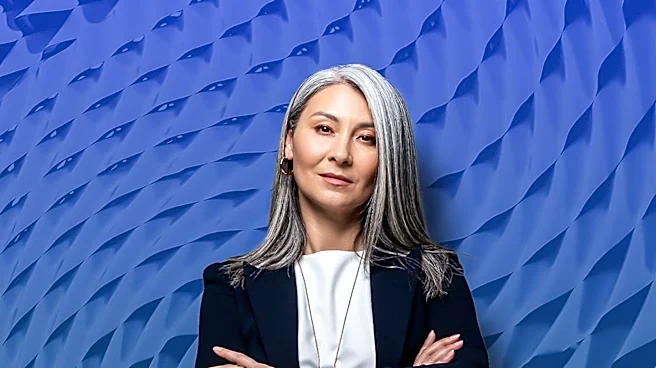
Orbis Medicines, a company specializing in the discovery of next-generation macrocycles, has announced the appointment of Joanne Smith-Farrell, Ph.D., as its new Chief Executive Officer. Dr. Smith-Farrell succeeds co-founder Morten Graugaard, who will
transition to the role of Chief Business Officer. This leadership change comes as Orbis Medicines aims to further develop its AI-driven oral macrocycle platform and advance its pipeline of immunology and inflammation programs. The company also has a significant multi-target cardiometabolic collaboration with Novo Nordisk, valued at up to $1.4 billion. Mr. Graugaard will now focus on business development and strategic partnerships, building on his previous work in establishing the collaboration with Novo Nordisk. The company's platform utilizes generative AI models trained on extensive experimental macrocycle datasets, combined with a lab-in-the-loop process, to design and optimize drug candidates for oral delivery.
Why It's Important?
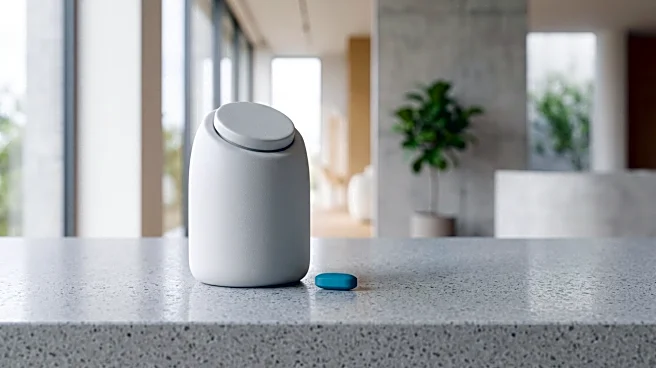
This leadership transition at Orbis Medicines is significant for the pharmaceutical industry, particularly in the U.S., as it signals a strategic push towards innovative drug discovery and development. The focus on AI-driven oral macrocycles represents a potential paradigm shift in how certain diseases are treated, offering oral alternatives to injectable biologics. This could broaden patient access to effective treatments, especially for conditions like cardiometabolic diseases, immunology, and inflammation. The substantial collaboration with Novo Nordisk, valued at up to $1.4 billion, underscores the potential impact and commercial viability of Orbis Medicines' technology. The success of this platform could lead to more accessible and patient-friendly drug formulations, potentially reducing healthcare costs associated with injectable therapies and improving patient adherence. The move also highlights the increasing integration of artificial intelligence in drug discovery, a trend that could accelerate the development of new medicines and reshape the competitive landscape of the U.S. pharmaceutical market.
What's Next?
Under Dr. Smith-Farrell's leadership, Orbis Medicines is expected to enter an ambitious new phase of growth, focusing on evolving its platform and advancing its pipeline. The company will continue to build on its collaboration with Novo Nordisk, which is a key component of its strategic development. Morten Graugaard, in his new role as Chief Business Officer, will be instrumental in forging new partnerships and driving business development, further expanding the reach and application of Orbis Medicines' technology. The industry will be watching to see how Orbis Medicines progresses in clinical translation of its AI-designed oral macrocycles and whether these can indeed replace injections for various therapeutic areas. The success of their approach could encourage other pharmaceutical companies to invest more heavily in AI-driven drug discovery and oral formulation technologies, potentially leading to a wave of new oral medications with biologics-like potency in the coming years.
Beyond the Headlines
The appointment of Dr. Smith-Farrell and the strategic direction of Orbis Medicines point to a deeper trend in the pharmaceutical sector: the convergence of artificial intelligence, advanced chemistry, and patient-centric drug delivery. The development of oral macrocycles that mimic the potency of biologics addresses a long-standing challenge in medicine, offering a less invasive and more convenient treatment option for patients. This shift could have profound ethical and cultural implications, as it may reduce the burden of chronic disease management and improve the quality of life for millions. Furthermore, the emphasis on sustainable materials in the construction of new headquarters for the Novo Nordisk Foundation, as mentioned in a related context, suggests a broader industry movement towards integrating environmental responsibility with scientific innovation. This holistic approach, combining cutting-edge technology with patient accessibility and sustainability, could redefine the future of healthcare and pharmaceutical development in the U.S. and globally.