







What's Happening?
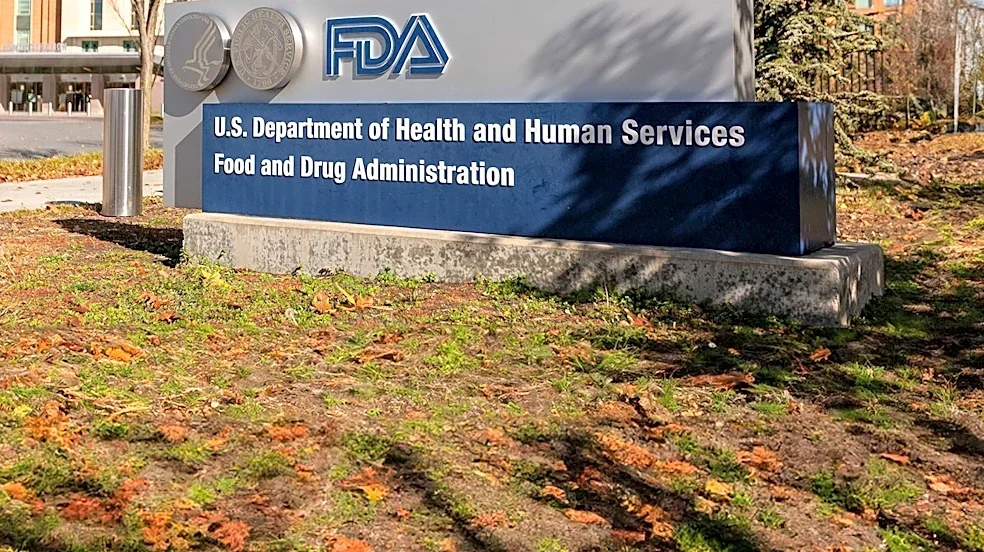
All facilities in the United States that store dietary supplements are required to register with the FDA as food facilities, a mandate stemming from the Public Health Security and Bioterrorism Preparedness Act. This regulation applies universally, even
to third-party logistics (3PL) providers that do not manufacture or package supplements on-site. Compliance is not optional, and failure to register can lead to significant risks for supplement brands, including compliance violations, warning letters, product holds, or forced recalls during FDA audits. Beyond basic registration, the best supplement logistics partners adhere to cGMP-aligned storage practices, which include documented receiving procedures, pest control programs, and proper separation of allergen-containing products. These measures are crucial for maintaining product integrity and safety, especially given the specific requirements of supplements such as expiration dates and temperature sensitivity. The act aims to enhance the security of the U.S. food supply against deliberate attacks and other food-related emergencies, making facility registration a critical component of national preparedness.
Why It's Important?
This FDA registration requirement is critical for ensuring the safety and integrity of the dietary supplement supply chain in the U.S. It directly impacts public health by establishing a regulatory framework that helps prevent contaminated or compromised products from reaching consumers. For businesses in the supplement industry, compliance is not just a legal obligation but a fundamental aspect of brand reputation and operational continuity. Working with an unregistered 3PL can expose brands to severe financial penalties and reputational damage, undermining consumer trust. The regulation also highlights the unique challenges of supplement logistics compared to standard e-commerce fulfillment, emphasizing the need for specialized handling, inventory management (FEFO – first expired, first out), and climate control. This framework helps mitigate risks associated with bioterrorism by ensuring that all points in the food supply chain, including supplement storage, are accounted for and meet specific security and safety standards.
What's Next?
Supplement brands and their logistics partners must ensure continuous compliance with FDA registration requirements. This involves regular verification of 3PL partners' registration status and adherence to cGMP-aligned storage practices. The FDA may conduct audits to ensure facilities are meeting these standards, and non-compliant entities could face enforcement actions. Brands should proactively seek out logistics providers that demonstrate a deep understanding of supplement-specific regulations, including lot-level tracking, FEFO inventory rotation, and recall readiness. The industry will likely see a continued emphasis on transparency and accountability in the supply chain, with a potential for increased scrutiny on facilities handling sensitive products like dietary supplements. Furthermore, ongoing vigilance against potential bioterrorism threats may lead to updated or more stringent regulations in the future, requiring businesses to adapt their operational protocols accordingly.
Beyond the Headlines
The FDA's registration mandate under the Bioterrorism Preparedness Act extends beyond mere administrative compliance; it underscores a broader national security strategy aimed at safeguarding the food supply from intentional harm. This regulation reflects a proactive approach to public health, recognizing that even seemingly innocuous products like dietary supplements can be vulnerable points in a larger system. The ethical implications for businesses include a heightened responsibility to ensure product safety and consumer well-being, moving beyond profit motives to prioritize public health. Legally, it establishes a clear chain of accountability, making it easier to trace and recall products in the event of a contamination or threat. Culturally, it reinforces the idea that food safety is a shared responsibility, requiring collaboration between government agencies, manufacturers, and logistics providers to maintain consumer confidence and national security. This framework also highlights the evolving nature of supply chain security in an era of complex global threats.