






What's Happening?
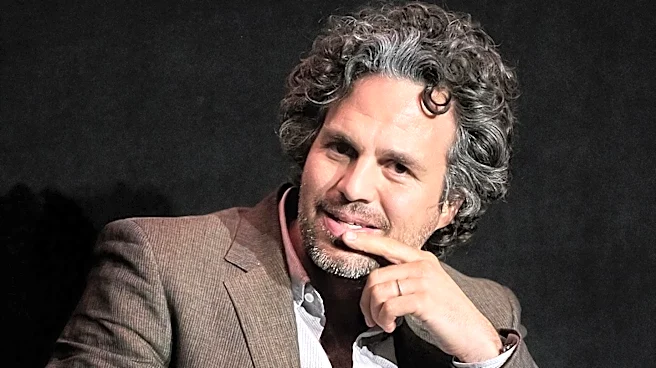
Paramount has accused actor Mark Ruffalo of spreading 'antisemitic stereotypes' in his criticism of the company's proposed merger with Warner Bros. Discovery. According to Fox News, a Paramount Skydance spokesperson stated that using terms like 'genocide'
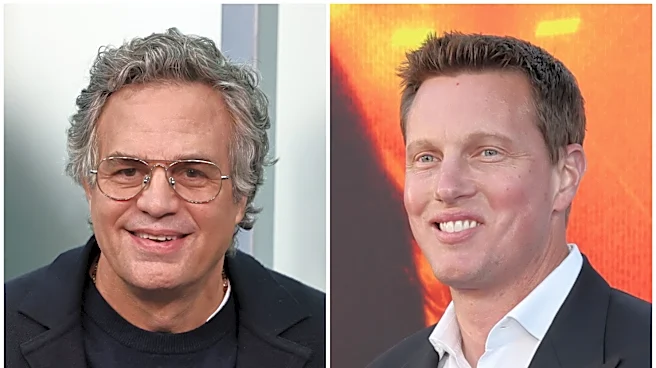
and 'apartheid' to describe a corporate transaction is not only incorrect but also trivializes genuine suffering. The spokesperson emphasized that Paramount does not tolerate prejudice of any kind. Paramount Skydance reached an agreement in late February to acquire Warner Bros. Discovery, a media giant that owns Warner Bros. film studios, HBO, HBO Max, and network television channels like CNN. Ruffalo's comments, made in an Instagram post, linked Oracle, owned by Larry Ellison, to the financing of the acquisition by his son, David Ellison, CEO of Paramount. Ruffalo also referenced a video where Safra Catz, a Paramount board member, allegedly praised Oracle's 'truly deeply frightening technologies' used to support the Israeli military in the Gaza conflict.
Why It's Important?
This controversy highlights the intersection of corporate mergers, celebrity activism, and geopolitical issues, particularly the Israeli-Palestinian conflict. The proposed merger between Paramount Skydance and Warner Bros. Discovery is already politically charged, with 12 U.S. states filing an antitrust lawsuit to block it. David Ellison, CEO of Paramount, is reportedly close to the Republican Party, and the acquisition would give him control over CNN, a network often perceived as favorable to the Democratic Party. Ruffalo's accusations of 'genocide' and 'apartheid' in the context of a corporate deal, and his linking of Oracle's technology to the Gaza conflict, introduce a highly sensitive and polarizing element into the business transaction. This could complicate public perception of the merger and potentially influence regulatory scrutiny, as companies are increasingly held accountable for their perceived ethical stances and associations.
What's Next?
The immediate next steps will likely involve continued public relations efforts from Paramount to counter Ruffalo's accusations and defend the merger. The ongoing antitrust lawsuit filed by 12 U.S. states will proceed, with the court examining the potential market implications of the acquisition. Ruffalo's comments could also spark further debate within Hollywood and among activist groups, potentially leading to more public statements or boycotts. The controversy may also draw increased media attention to the financial backing of the merger and the political affiliations of key figures involved. Depending on the intensity and duration of the backlash, it could influence investor confidence and the overall feasibility of the merger, potentially leading to delays or renegotiations. The broader discussion around corporate responsibility and the ethical implications of technology used in conflict zones is also likely to intensify.
Beyond the Headlines
This incident reveals deeper tensions within the entertainment industry and society at large regarding corporate power, media consolidation, and the role of public figures in political discourse. Ruffalo's critique extends beyond the immediate merger, touching on concerns about wealth concentration and the potential for media conglomerates to influence public opinion. His use of strong, emotionally charged language like 'genocide' and 'apartheid' in a corporate context underscores a growing trend of activists employing such terms to draw attention to perceived injustices, even if it risks trivializing their original meaning. Paramount's swift and strong rebuttal, labeling the comments as 'antisemitic stereotypes,' indicates the sensitivity surrounding such accusations and the industry's efforts to distance itself from controversial political narratives. This situation reflects a broader societal struggle to navigate complex global conflicts and their implications for business, media, and public discourse, particularly in an era of heightened social and political polarization.