




What's Happening?
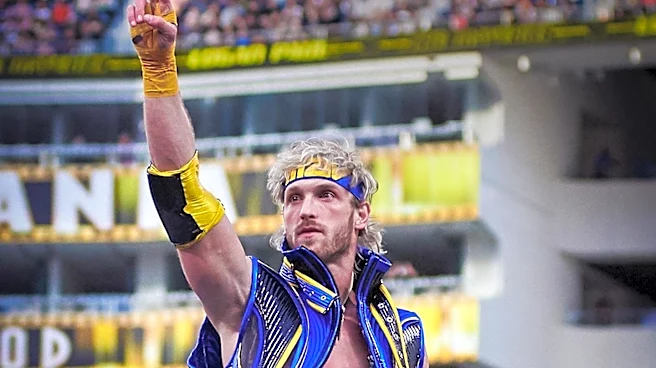
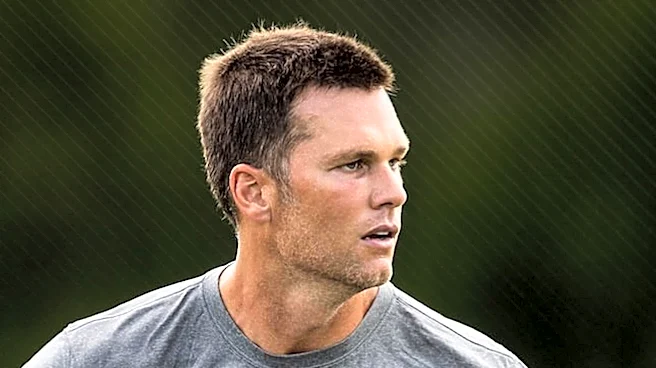
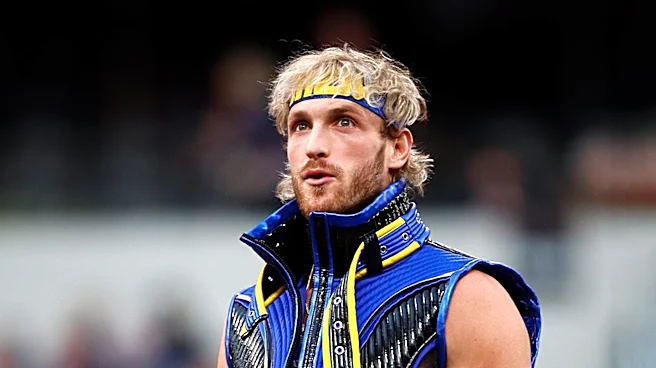
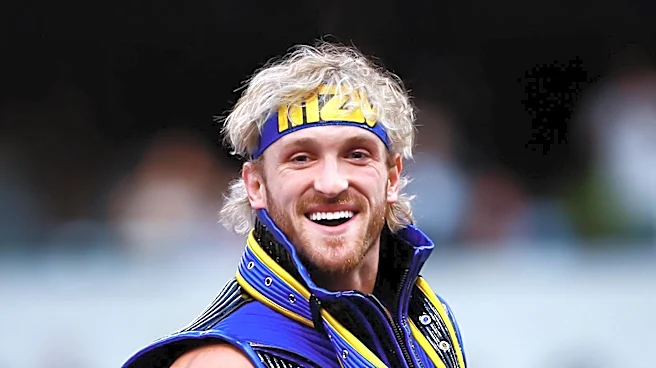
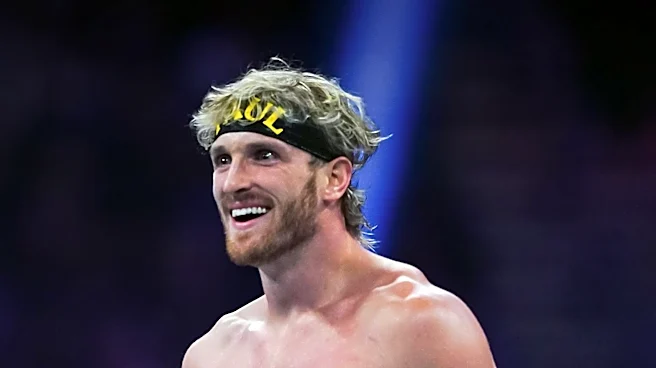
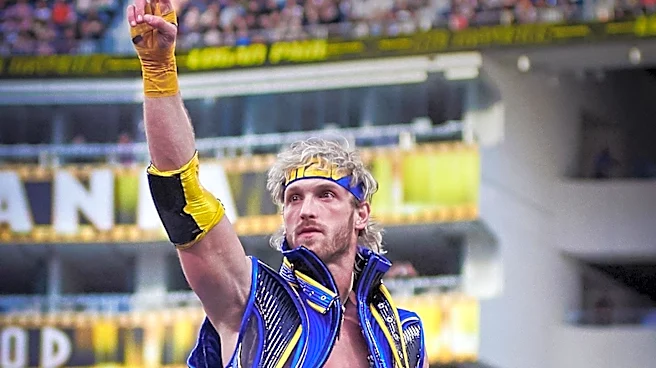
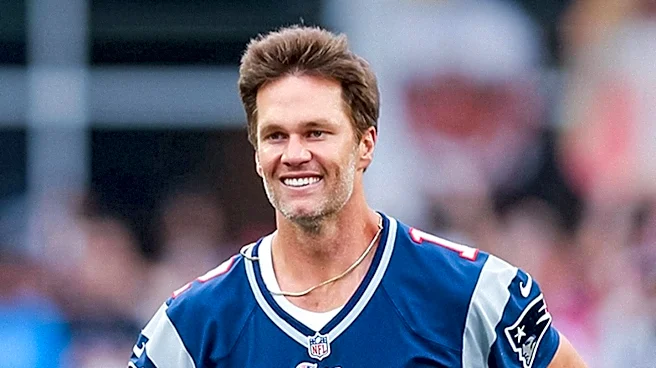
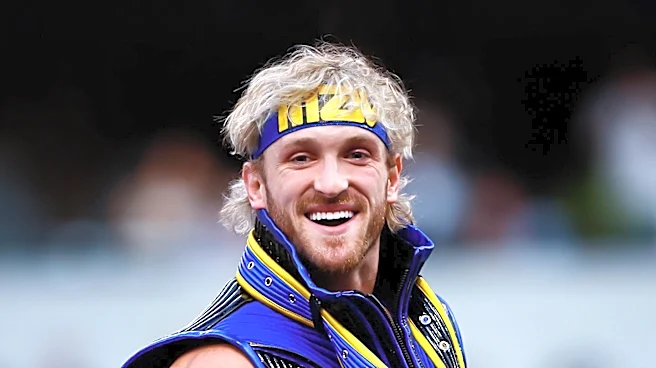
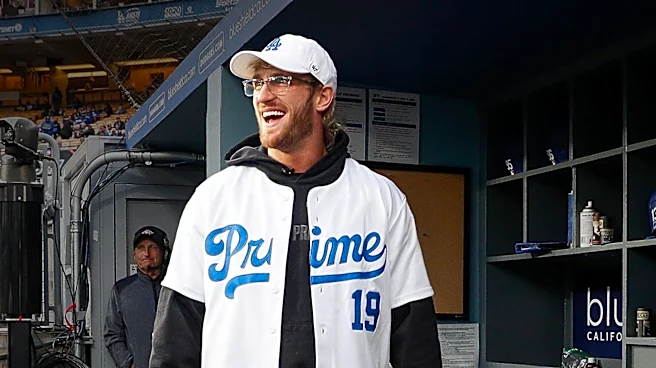
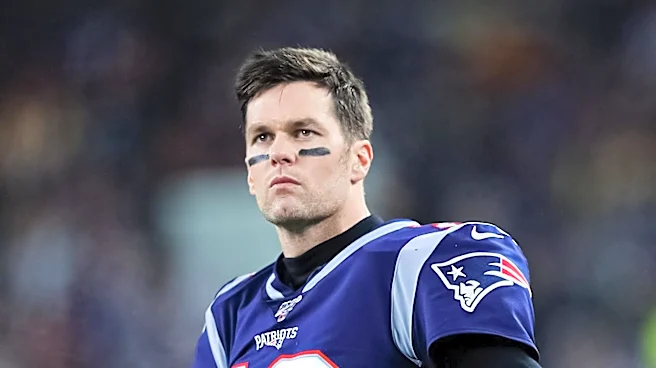
Tom Brady, former NFL quarterback and current FOX Sports NFL analyst, recently participated in Fanatics Fest in New York City, where he engaged in a WWE storyline involving influencer and WWE superstar Logan Paul. This appearance, which included a staged
slap and other promotional activities, drew criticism from sports media, who described it as bizarre and shameless. Despite the negative reception, Brady's actions were part of a broader strategy to expand his brand beyond football. Throughout his career, Brady has built a successful brand, endorsing international companies and launching ventures like the sports-based NFT platform Autograph. His recent activities are seen as efforts to strengthen business relationships and position himself at the intersection of sports, entertainment, and culture.
Why It's Important?
Brady's actions highlight the evolving nature of athlete branding, where sports figures increasingly engage with entertainment and media to expand their reach. This strategy reflects a shift in how athletes leverage their fame post-retirement, moving beyond traditional endorsements to more dynamic and interactive engagements. For stakeholders in sports and entertainment, Brady's approach underscores the importance of adaptability and cross-industry collaboration. While some may view his WWE involvement as unorthodox, it demonstrates a willingness to explore new audiences and opportunities, which could influence how future athletes manage their careers and public personas.
What's Next?
The outcome of Brady's strategy remains to be seen, as it depends on how well he can integrate into the entertainment sector and attract new audiences. His involvement with WWE and other entertainment ventures could pave the way for similar collaborations by other athletes. Stakeholders in sports media and entertainment will likely monitor the success of these ventures to assess their viability as a model for athlete branding. Additionally, Brady's actions may prompt discussions on the boundaries of athlete involvement in entertainment and the potential benefits and drawbacks of such cross-industry engagements.