






What's Happening?
A growing movement in the U.S. is encouraging homeowners to 'shrink the lawn' by reducing the size of their traditional grass areas. This initiative aims to address significant environmental and economic issues associated with maintaining large, manicured
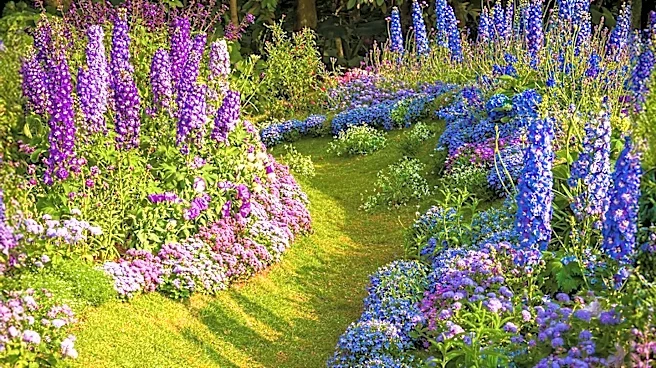
lawns. The current 'love affair with lawns' in the United States leads to heavy consumption of limited water resources, pollution of waterways from excessive fertilizer use, and negative impacts on wildlife due to herbicides and pesticides. Furthermore, homeowners spend an average of $1,200 and 70 hours annually on lawn care, often viewing mowing as an onerous chore. The proposal suggests retaining durable grass species only for specific purposes like play areas, footpaths, or as edging, and replacing the rest with a diverse palette of native trees, shrubs, and perennials to enhance ornamental interest and provide crucial support for local wildlife.
Why It's Important?
The widespread adoption of smaller lawns could have substantial positive impacts on the U.S. environment and household finances. Environmentally, reducing lawn size would conserve significant amounts of water, decrease chemical runoff into rivers and lakes, and create vital habitats for pollinators and other wildlife, thereby boosting biodiversity. Economically, homeowners could save an average of $1,200 annually on maintenance costs, freeing up funds for other household needs or investments. This shift also promotes a more sustainable approach to landscaping, moving away from monocultures that offer little ecological benefit. By integrating native plants, communities can foster healthier ecosystems and contribute to broader conservation efforts, aligning with national environmental goals and potentially influencing local zoning and landscaping ordinances.
What's Next?
The 'Restoring Nature' series, which includes the 'Shrink the Lawn' action, provides tips and guidance for homeowners on how to implement these changes. This suggests a continued educational push to inform the public about the benefits and practical steps involved in reducing lawn size. We can anticipate an increase in resources and community programs supporting native plant gardening and sustainable landscaping practices. As more homeowners adopt this approach, there may be a growing market for native plant nurseries and ecological landscaping services. This movement could also influence urban planning and community development, with potential for incentives or regulations that encourage smaller lawns and more biodiverse green spaces in residential areas across the U.S.
Beyond the Headlines
Beyond the immediate environmental and economic benefits, the 'shrink the lawn' movement challenges a long-standing cultural ideal in the U.S. of the pristine, expansive green lawn as a status symbol. This shift represents a re-evaluation of aesthetic values, moving towards a greater appreciation for natural, biodiverse landscapes over manicured uniformity. It encourages a deeper connection with local ecosystems and a more conscious approach to land stewardship. This cultural transformation could lead to a redefinition of what constitutes a beautiful and desirable home landscape, fostering a sense of environmental responsibility and community engagement in ecological restoration efforts. It also highlights the power of individual actions to collectively address larger environmental challenges.