







What's Happening?
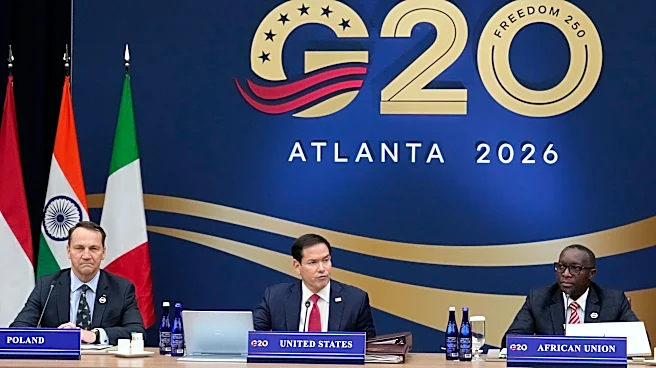
Atlanta recently hosted the Critical Minerals Expo North America, bringing together mineral developers, processing technology providers, and materials recovery experts to discuss the U.S. critical minerals supply chain. The event, held alongside the Battery
Recycling Expo and E-Waste World Expo, focused on connecting mineral projects with processors and industrial customers. Discussions at the expo highlighted the comprehensive challenges in North America's supply chain, from resource identification and permitting to financing, processing, and customer qualification. Companies like American Rare Earths Limited presented their projects, such as the Halleck Creek in Wyoming, emphasizing the need to assess progress across the entire processing route. The Chemours Company and Energy Fuels Inc. showcased their alliance to combine heavy mineral sands capabilities with downstream processing in Florida and Georgia, aiming to create a domestic supply chain for rare earths, titanium, and zirconium.
Why It's Important?
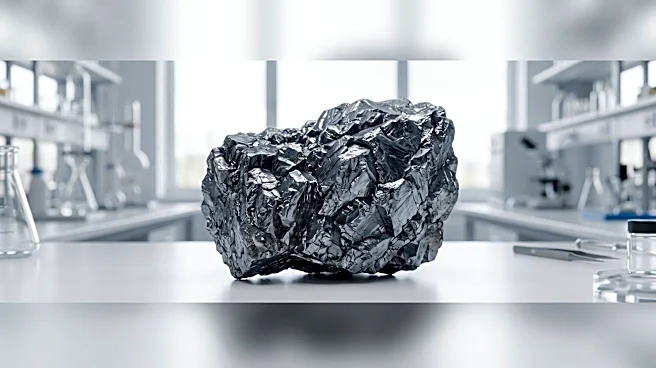
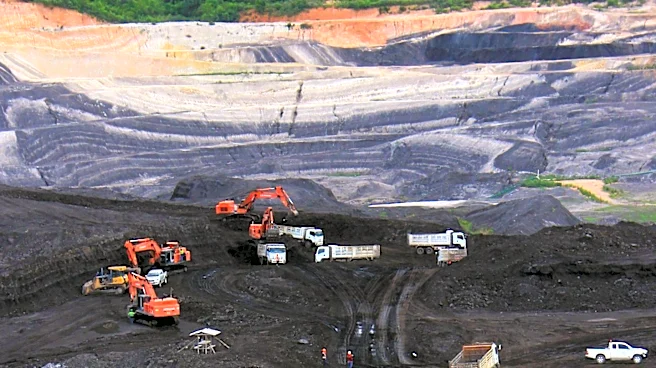
The Critical Minerals Expo in Atlanta underscores the growing urgency and strategic importance of establishing a robust domestic critical minerals supply chain for the U.S. Critical minerals are indispensable for advanced technologies, including electric vehicles, renewable energy systems, and defense applications. The current reliance on foreign sources, particularly for processing, poses significant economic and national security risks. By bringing together various stakeholders, the expo facilitates collaboration and investment in domestic mining, processing, and recycling initiatives. The development of projects like American Rare Earths' Halleck Creek and the Chemours-Energy Fuels alliance are crucial steps towards reducing import dependency and creating a more resilient supply chain. This effort is vital for supporting the U.S.'s industrial base, fostering innovation, and achieving its clean energy goals, while also creating new economic opportunities and jobs within the country.
What's Next?
The discussions and connections made at the Critical Minerals Expo are expected to catalyze further investment and development in the U.S. critical minerals sector. The next phase will involve translating strategic ambitions into industrial capabilities, focusing on securing financing for projects, achieving reliable recoveries at processing plants, and ensuring materials meet customer specifications. Companies like American Battery Technology Company are advancing commercial battery recycling, highlighting the importance of connecting recyclers with downstream processors. Private developers, such as Sio Silica Corporation and U.S. Critical Materials Corp., are progressing with their projects, with some aiming for public market listings. The continued collaboration between public and private entities, along with technological advancements in measurement, heat management, and AI for industrial operations, will be crucial for building a comprehensive and efficient domestic critical minerals supply chain. The focus will remain on creating strong links between all stages of the supply chain, from extraction to end-use.
Beyond the Headlines
The emphasis on critical minerals in Atlanta reflects a broader shift in U.S. industrial policy towards re-shoring and securing essential resources. This movement is driven not only by economic competitiveness but also by geopolitical considerations and environmental sustainability. The integration of mining, processing, and recycling at events like the expo highlights a holistic approach to resource management, aiming to minimize waste and maximize resource utilization. The development of domestic capabilities in critical minerals also presents an opportunity for the U.S. to set new standards for environmental responsibility and labor practices in the mining and processing industries. Furthermore, the focus on regional hubs like Georgia, with its expanding battery and vehicle manufacturing industries, demonstrates a strategy to create integrated industrial ecosystems that can support the entire lifecycle of critical mineral-dependent products, from raw material to finished goods and recycling.