





What's Happening?
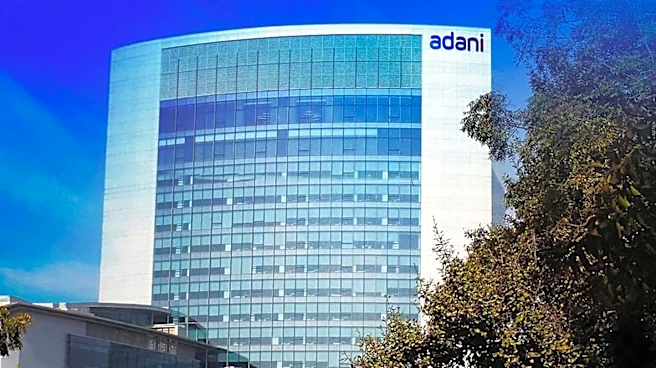
Two companies within Indian billionaire Gautam Adani's Adani Group, Adani Enterprises Ltd. and Adani Power Ltd., are preparing for a public bond sale aiming to raise at least ₹2,000 crore ($215 million). This initiative, announced on November 26, will
allow individual investors in India to participate, supplementing the group's traditional funding from banks and funds that purchase privately placed debt. The specific allocation between the two companies, bond maturities, and interest rates have not yet been disclosed. Adani Enterprises, the group's flagship entity, has previously utilized public bond sales, with its third issue in January selling out within 45 minutes. Adani Power, India's largest private thermal power producer, recently secured nearly ₹7,500 crore from institutional investors in January through non-convertible debentures. This bond sale is part of a broader fundraising push by the Adani Group, which includes a commitment to invest over $120 billion in five years, with approximately 70% directed towards energy projects.
Why It's Important?
This public bond sale by Adani Group companies signifies a strategic move to diversify funding sources and tap into household savings in India. By opening up bond issues to individual investors, the group can potentially access a wider pool of capital, reducing its reliance on institutional lenders and private placements. This approach could also foster greater public engagement and trust in the Adani Group's financial instruments. For the U.S. market, while directly impacting Indian investors, the Adani Group's aggressive fundraising and investment strategies, particularly in the energy sector, could have indirect implications. Increased capital flow into Indian infrastructure and energy projects might attract attention from U.S. institutional investors seeking emerging market opportunities or partnerships. The group's substantial investment in energy, including green energy, aligns with global trends and could influence international investment patterns in sustainable development.
What's Next?
The Adani Group is expected to announce further details regarding the split of the bond sale between Adani Enterprises and Adani Power, as well as the maturities and interest rates offered. Following the public bond sale, the group will likely continue its extensive fundraising activities, which include seeking $6.4 billion from global lenders for Adani Ports' acquisition of Dutch storage operator Evos and refinancing older loans. Additionally, its airport arm is aiming to secure about $1 billion in fresh equity. These ongoing financial maneuvers are crucial for the Adani Group to fund its ambitious $120 billion investment plan over the next five years, with a significant portion dedicated to energy. The success of these fundraising efforts will determine the pace and scale of the group's expansion across its diverse business segments.
Beyond the Headlines
The Adani Group's strategy of engaging individual investors through public bond sales highlights a growing trend in emerging markets to democratize investment opportunities and broaden capital access beyond traditional institutional channels. This approach could set a precedent for other large conglomerates in India and potentially other developing economies. The group's rapid expansion into various sectors, from ports and logistics to green energy and data centers, reflects a comprehensive vision for infrastructure development and economic growth. However, such aggressive expansion also brings increased scrutiny regarding financial leverage and corporate governance. The ability of the Adani Group to consistently attract significant capital, both from institutional and individual investors, will be a key indicator of its long-term stability and influence in the global business landscape, particularly as it continues to invest heavily in critical infrastructure and energy transition projects.