




What's Happening?
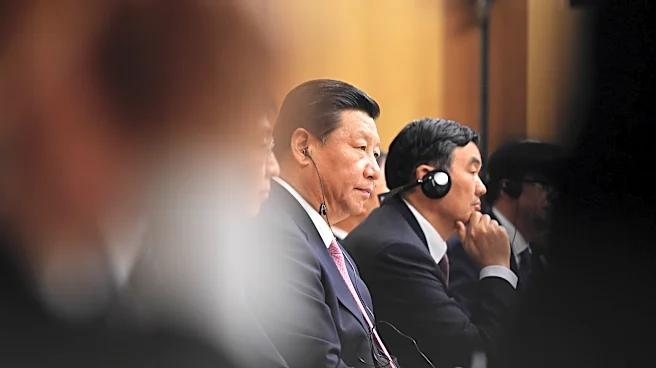
Chinese Vice Premier He Lifeng has voiced "serious concerns over recent economic and trade restrictive measures imposed by the United States," according to state media. This statement comes in response to new tariffs proposed by the Trump Administration,
which set an initial rate of 20 percent for China, with a warning that it could increase to 40 percent. China has indicated it reserves the right to take necessary measures to defend its legitimate rights and interests. These developments occur as the trade ceasefire between the U.S. and China, established in October 2025, was extended in September until January 10. President Trump has consistently criticized China's trade surplus with the U.S., attributing it to a decline in American manufacturing and job losses. The proposed levies are part of a broader U.S. strategy targeting various countries, including major economies like Europe and Japan, with tariffs of up to 20%.
Why It's Important?
The imposition of new tariffs by the Trump Administration and China's strong reaction signal a potential escalation in trade tensions between the two economic superpowers. This could significantly impact U.S. industries that rely on Chinese imports or exports, potentially leading to increased costs for consumers and reduced competitiveness for businesses. The ongoing trade disputes have historically created uncertainty in global markets, affecting investment decisions and supply chains. For U.S. manufacturers, while tariffs might offer some protection against cheaper imports, they could also face retaliatory tariffs from China, making their products more expensive in a crucial market. The situation also highlights the broader challenge of balancing trade deficits with maintaining stable international economic relations, with both sides seeking to protect their national interests.
What's Next?
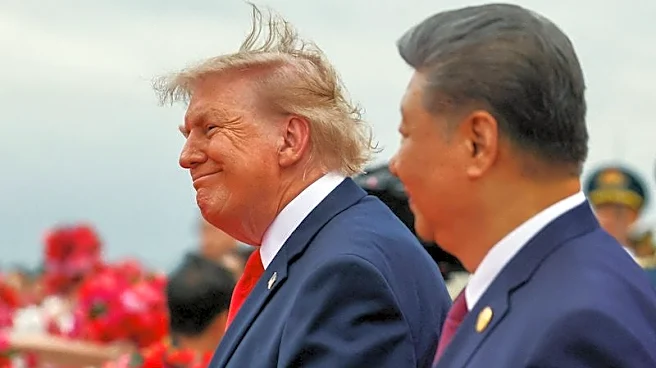
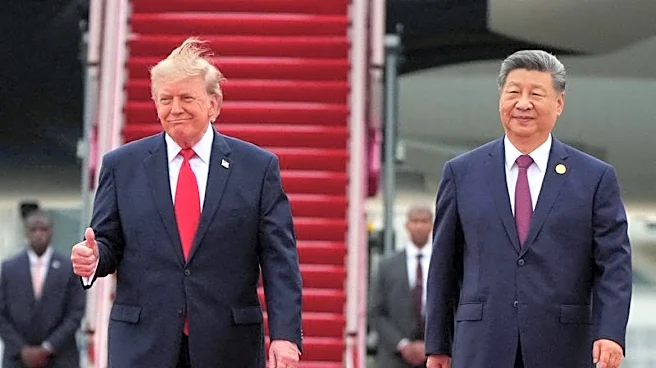
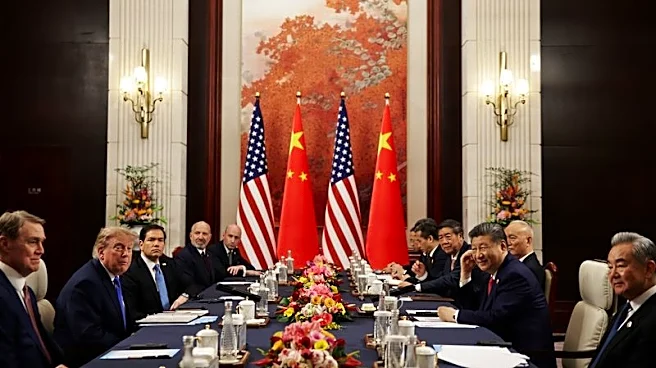
China has stated it will "closely monitor developments and reserves the right to take necessary measures" in response to the U.S. tariffs. The proposed U.S. levies are subject to a period of public comment before they can take effect, with the earliest implementation expected in January. President Trump and Chinese President Xi Jinping are scheduled to meet in December at a G20 summit in the United States, which could serve as a critical platform for dialogue to de-escalate tensions or, conversely, witness further hardening of positions. The current trade ceasefire is set to expire on January 10, adding urgency to any potential negotiations. The U.S. Trade Representative has indicated that Washington is offering Beijing exemptions on approximately $30 billion worth of goods, suggesting a degree of flexibility in the U.S. approach.
Beyond the Headlines
The recurring pattern of tariff escalations before major leadership summits suggests that trade measures are increasingly being used as strategic leverage in geopolitical negotiations. This approach, while aimed at addressing perceived trade imbalances, risks fragmenting the global trading system and fostering economic nationalism. Beyond the immediate economic impact, such actions can strain diplomatic relations and influence broader international cooperation on issues ranging from climate change to global security. The U.S. strategy of applying tariffs to both allies and adversaries indicates a fundamental shift in its trade policy, prioritizing domestic economic concerns over traditional alliances and multilateral trade frameworks. This could lead to a re-evaluation of global supply chains and a push for greater self-reliance in critical industries.