






What's Happening?
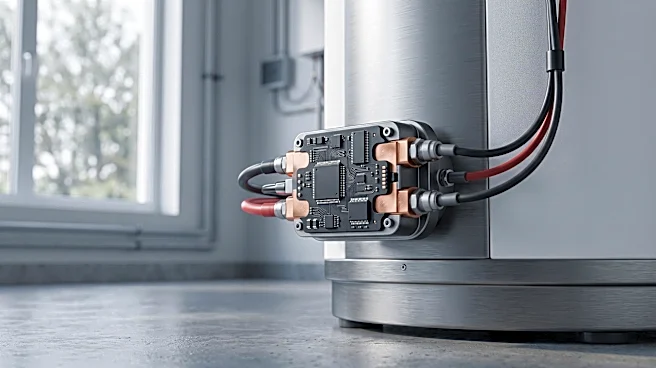
Heatbit, a U.S. company, has launched Bitwater, an innovative water heater element designed for home Bitcoin mining. This device replaces the standard heating element in electric water heaters, utilizing 20 Bitmain BM1370 chips to mine Bitcoin while simultaneously
heating water. The heat generated by the mining process is used to warm the water, making the operation more energy-efficient by repurposing what would otherwise be waste heat. Bitwater has a maximum power consumption of 600 watts, significantly lower than the typical 4,500-watt elements found in U.S. water heaters. It is compatible with standard 30- to 80-gallon electric water heaters in the U.S. and Canada, requiring no plumbing modifications or new electrical circuits. Users can monitor water temperature, hash rate, and earnings through a mobile app and choose between solo mining or joining a mining pool. The initial pre-sale price for Bitwater is $899, with subsequent batches priced up to $1,299. Deliveries to the U.S. and Canada are expected in the first quarter of 2027.
Why It's Important?
The introduction of Bitwater signifies a notable shift towards decentralized, in-home Bitcoin mining, potentially democratizing access to cryptocurrency generation beyond large-scale industrial operations. By integrating mining into a household appliance like a water heater, Heatbit aims to make Bitcoin mining more accessible and energy-efficient for the average consumer in the U.S. and Canada. This approach could reduce the perceived environmental impact of Bitcoin mining by utilizing waste heat for a practical household purpose, thereby offsetting energy costs. For consumers, it offers a dual benefit: hot water and potential Bitcoin earnings, transforming a utility expense into a revenue-generating activity. This innovation could also foster greater adoption of cryptocurrency technologies within mainstream households and challenge the dominance of large mining farms. The lower power consumption compared to traditional water heater elements also suggests a potential for reduced electricity bills, making the proposition attractive to cost-conscious homeowners.
What's Next?
Heatbit has opened refundable pre-orders for Bitwater, with the first batch expected to ship in Q1 2027 to customers in the U.S. and Canada. The company plans to release a version compatible with gas water heater homes in the future, further expanding its market reach. The success of Bitwater will likely depend on its real-world profitability, which will fluctuate based on Bitcoin's price and overall network difficulty. Heatbit has cited estimates of daily returns ranging from $1 to $1.25, but these are not guaranteed. The company's proposition of physically decentralized mining could attract individuals looking to participate in the Bitcoin network without significant upfront infrastructure investments. The market will be watching how quickly Heatbit can deliver on its promises and how the device performs in diverse household environments, particularly concerning its heating efficiency compared to traditional elements during peak demand.
Beyond the Headlines
Beyond its immediate utility, Bitwater represents a deeper trend of integrating cryptocurrency mining into everyday devices, blurring the lines between household appliances and digital asset generation. This development could spark broader discussions about energy consumption in the home, the future of decentralized finance, and the potential for 'prosumer' models where individuals both consume and produce value. Ethically, it raises questions about the environmental claims of 'waste heat' utilization and whether the energy consumption, however offset, still contributes to overall grid demand. Legally, as more household devices become involved in cryptocurrency generation, regulatory bodies in the U.S. and Canada might need to consider new frameworks for taxation, energy consumption standards, and consumer protection in this emerging sector. Culturally, it could normalize Bitcoin mining as a routine household activity, potentially shifting public perception of cryptocurrencies from speculative investments to practical, integrated technologies.