


What's Happening?
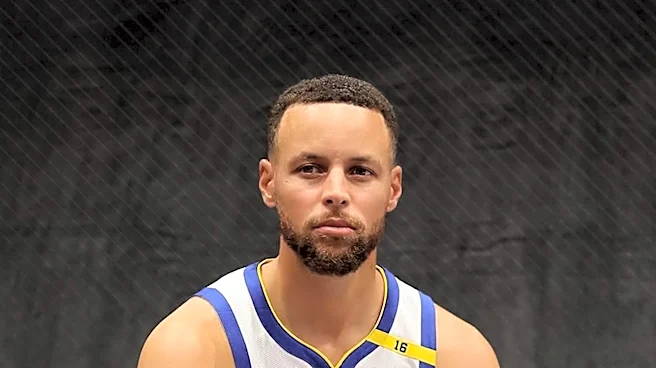
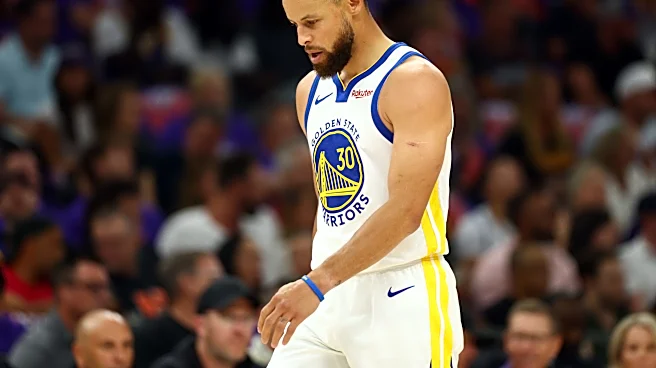
Rich Paul, agent for LeBron James, has publicly argued that star athletes like Stephen Curry should receive more than traditional contracts, suggesting they deserve equity compensation such as stock options and profit-sharing. Paul made these remarks
on the 'Game Over' podcast, drawing parallels between top-tier athletes and executives in Fortune 500 companies. He contends that players who significantly increase a franchise's value should be compensated similarly to how corporate executives are rewarded for growing a company. Paul highlighted that while players cannot directly invest in a team, their impact directly correlates with the team's financial growth and overall valuation. He pointed to the Golden State Warriors' valuation increase from approximately $450 million in 2010 to between $10 and $11 billion nearly 16 years later, a period that largely coincides with Curry's rise to superstardom. This argument suggests a need for a re-evaluation of how elite athletes are compensated, moving beyond standard salary structures to include ownership-like incentives.
Why It's Important?
This discussion initiated by Rich Paul is significant as it challenges the traditional compensation models within professional sports, particularly in the NBA. If adopted, the concept of equity compensation for star athletes could fundamentally alter player contracts and team ownership structures. For U.S. sports industries, this could lead to a new era of player empowerment, where athletes not only earn high salaries but also share in the long-term financial success and appreciation of the franchises they represent. This shift could incentivize players to remain with a single team for longer durations, fostering greater loyalty and stability within organizations. Conversely, it could also create complex legal and financial challenges for team owners, potentially diluting their ownership stakes or complicating future sales and investments. The debate also highlights the growing financial literacy among athletes and their representatives, pushing for more sophisticated compensation packages that reflect the true market value and impact of their contributions to a team's brand and profitability.
What's Next?
The immediate next step for Stephen Curry involves his current contract situation with the Golden State Warriors. He has been eligible to sign a two-year, $136.7 million extension since August 29, and while he has not yet signed it, he has indicated that it will be addressed at the appropriate time. Warriors owner Joe Lacob has dismissed rumors of Curry's potential departure as 'clickbait,' suggesting the franchise intends to retain him. However, Rich Paul's advocacy for equity compensation could influence future contract negotiations for Curry and other high-impact players across the league. While a direct ownership stake for players might face significant hurdles due to league rules and existing collective bargaining agreements, the conversation could lead to innovative compensation structures that incorporate performance-based bonuses tied to franchise value, or other forms of long-term financial incentives. This discussion is likely to continue shaping how player agents approach negotiations, potentially pushing for more comprehensive and value-aligned compensation packages in the future.
Beyond the Headlines
The proposal for equity compensation for star athletes delves into deeper ethical and economic implications within professional sports. It raises questions about the nature of labor and ownership in a league where player talent is the primary driver of revenue and franchise value. If athletes were to receive equity, it could blur the lines between employee and owner, potentially leading to conflicts of interest or new forms of governance within sports organizations. This could also set a precedent for other entertainment industries where individual talent significantly contributes to corporate valuation. Furthermore, it highlights the evolving understanding of 'value' in the modern economy, where intangible assets like a player's brand, influence, and cultural impact are increasingly recognized as critical drivers of financial success. The discussion also touches upon the broader issue of wealth distribution and economic justice, questioning whether the current system adequately rewards those who generate the most value for a business. This could lead to a re-evaluation of labor laws and collective bargaining agreements in sports, potentially fostering a more equitable distribution of the immense wealth generated by professional leagues.