








What's Happening?
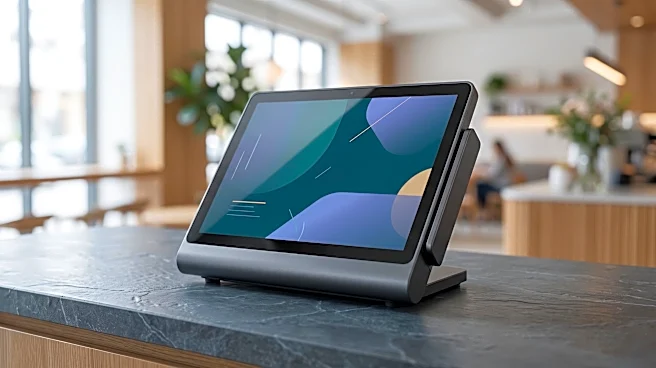
The restaurant industry is increasingly prioritizing Point of Sale (POS) systems with robust integrations to streamline operations. Modern POS systems are no longer just for checkout; they are becoming central hubs that connect various essential restaurant tools.
This includes seamless integration with delivery platforms, payment processors, loyalty programs, and reporting tools. The goal is to eliminate manual bridging of gaps between disconnected systems, which often leads to staff retyping orders, reconciling payments by hand, and managing multiple logins. A strong POS system should act as a connective hub, ensuring real-time data flow and reducing errors. Key integration areas highlighted include delivery, payments, and online ordering, all of which are critical for a restaurant's daily operations and customer service.
Why It's Important?
The shift towards integrated POS systems is crucial for the U.S. restaurant industry's efficiency and profitability. Disconnected systems lead to significant operational inefficiencies, increased labor costs due to manual data entry, and a higher risk of errors in orders and financial reconciliation. By adopting well-integrated POS solutions, restaurants can improve order accuracy, speed up service, and enhance the customer experience, especially with the growing reliance on delivery and online ordering. This trend impacts technology providers, as demand for comprehensive, natively integrated POS solutions will rise. Restaurants that fail to adapt may struggle to compete with more agile, technologically advanced establishments, potentially losing market share and facing higher operational overheads. The ability to manage all aspects of the business from a single, connected platform is becoming a competitive necessity.
What's Next?
Restaurants are expected to continue evaluating and upgrading their POS systems, with a strong focus on integration capabilities. Technology providers will likely innovate further to offer more comprehensive and seamless integration solutions, potentially leading to consolidation in the POS market as systems with superior integration features gain prominence. The industry will see a continued move away from 'tablet farm' setups, where multiple devices are used for different services, towards unified platforms. Training for restaurant staff will also evolve to encompass the use of these integrated systems, ensuring they can leverage the full functionality to improve service and efficiency. Businesses that proactively invest in these integrated solutions will be better positioned for growth and operational resilience in a competitive market.
Beyond the Headlines
The emphasis on integrated POS systems reflects a broader digital transformation within the service industry. This isn't just about efficiency; it's about creating a more cohesive and data-driven business environment. The ethical implications include data privacy and security, as these systems handle sensitive customer and financial information. Legal frameworks around data protection will become increasingly relevant for POS providers and restaurants. Culturally, this shift changes the nature of work for restaurant staff, moving them from manual, repetitive tasks to more service-oriented roles, potentially requiring new skill sets. Long-term, this integration could lead to more personalized customer experiences through advanced data analytics, allowing restaurants to tailor offerings and marketing efforts more effectively, fundamentally altering the customer-restaurant relationship.