


What's Happening?
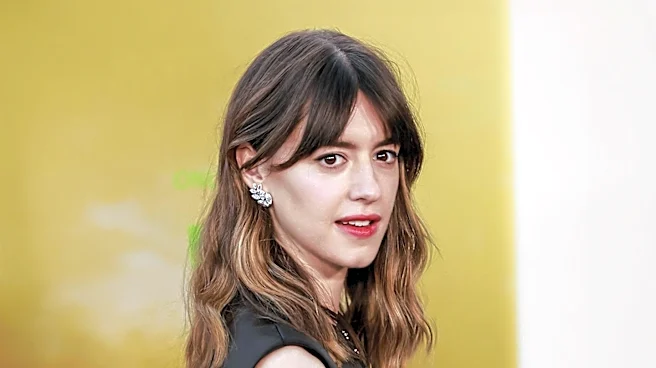
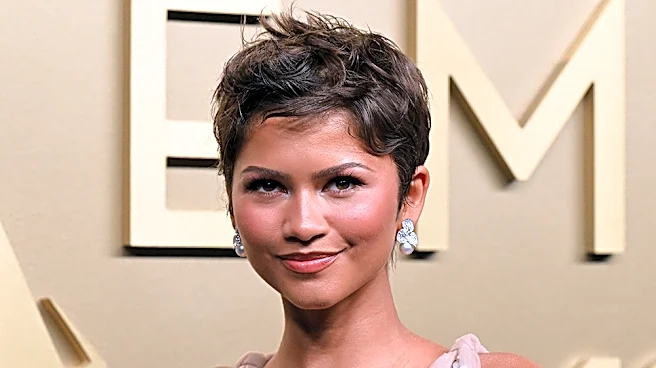
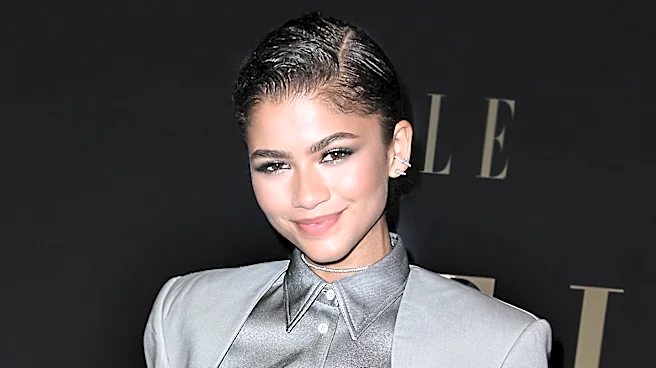
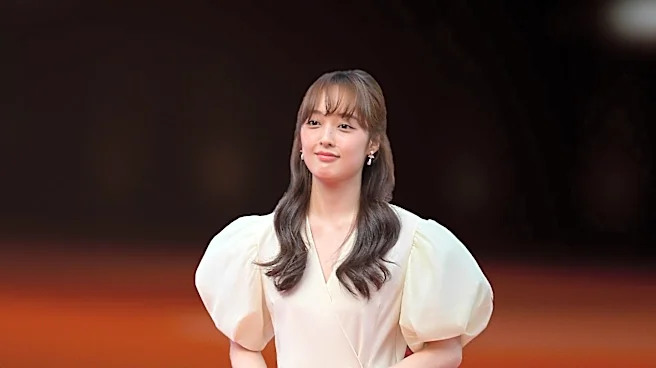
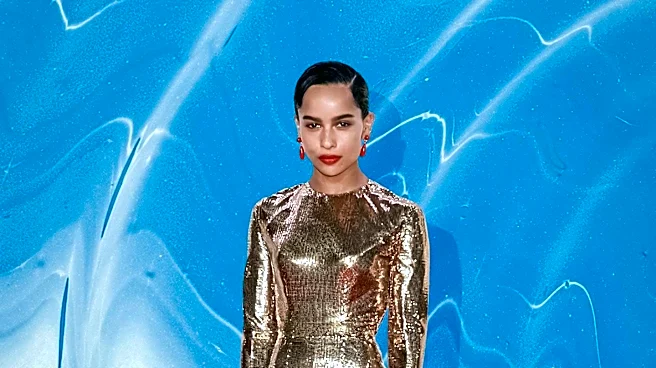
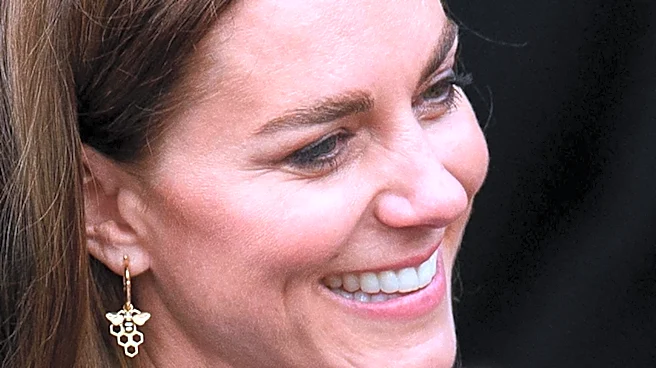
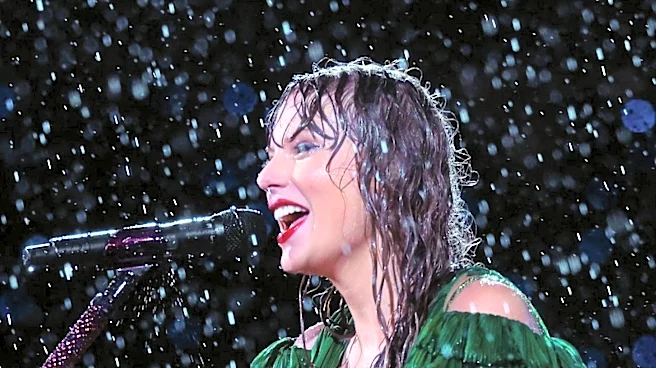
A new hair trend, 'baby bangs,' is gaining popularity among celebrities on the red carpet, marking a shift from the previously dominant 'curtain bangs' style. Stars such as Florence Pugh, Ayo Edebiri, Zendaya, Zoë Kravitz, and Dakota Johnson have been
seen sporting this fringe style, which is characterized by bangs cut one to two inches above the brow. This trend is seen as a move towards more intentional and statement-making hairstyles, contrasting with the recent preference for low-maintenance, 'lived-in' looks. Celebrity hairstylist Charles Love describes baby bangs as a 'statement of courage and bravery,' while Franck Izquierdo, co-founder of IGK, notes that they represent a desire for hair to have a 'point of view again.' The style can be blunt, wispy, choppy, or piecey, adapting to different hair textures and face shapes. While often used interchangeably, baby bangs differ from micro bangs, which are typically cut closer to the hairline with a more defined, punky texture.
Why It's Important?
This resurgence of 'baby bangs' signifies a broader cultural shift in beauty and fashion trends, moving away from minimalist and 'effortless' aesthetics towards more bold and deliberate styles. This trend impacts the beauty industry by influencing product development, salon services, and fashion campaigns. As celebrities adopt these looks, they often set precedents for mainstream fashion, potentially leading to increased demand for specific hair products, styling tools, and salon treatments designed to achieve and maintain baby bangs. For consumers, it offers a new avenue for self-expression and a departure from previous trends. The emphasis on 'intentional' and 'statement-making' hair reflects a desire for individuality and a more pronounced personal style, which can influence how people perceive and invest in their appearance. This shift also highlights the cyclical nature of fashion, where older styles are reinterpreted and brought back into vogue by influential figures.
What's Next?
The increasing visibility of 'baby bangs' on celebrities suggests that this trend is likely to continue gaining momentum in the coming months. We can anticipate seeing more individuals, both within and outside the entertainment industry, adopting this hairstyle. This will likely lead to an increase in demand for hairstylists skilled in cutting and styling baby bangs, as well as a potential surge in sales for hair products that help maintain the look, such as styling waxes, sprays, and texturizers. Beauty brands may also launch new campaigns featuring models with baby bangs, further solidifying its place as a prominent trend. Additionally, other high-maintenance or statement-making beauty trends, such as bold lip colors, are also expected to see a resurgence, indicating a broader shift in aesthetic preferences. The trend's non-committal nature, with clip-in options available, may also encourage wider experimentation.
Beyond the Headlines
The return of 'baby bangs' can be viewed as more than just a fleeting fashion trend; it reflects a deeper cultural desire for self-expression and a rejection of the 'lazy-girl' or 'lived-in' aesthetic that has dominated for years. This shift towards more 'effortful' and 'impactful' styles could symbolize a broader societal move towards greater intentionality and individuality in personal presentation. In an era where digital filters and curated online personas are prevalent, a hairstyle that demands attention and makes a clear statement might represent a desire for authenticity and a more tangible form of self-assertion. The 'courage and bravery' associated with baby bangs, as noted by Charles Love, suggests a psychological component to this trend, where individuals are embracing bolder choices as a form of empowerment. This could also signal a broader cultural moment where people are more willing to take risks and stand out, rather than conforming to understated norms.