


What's Happening?
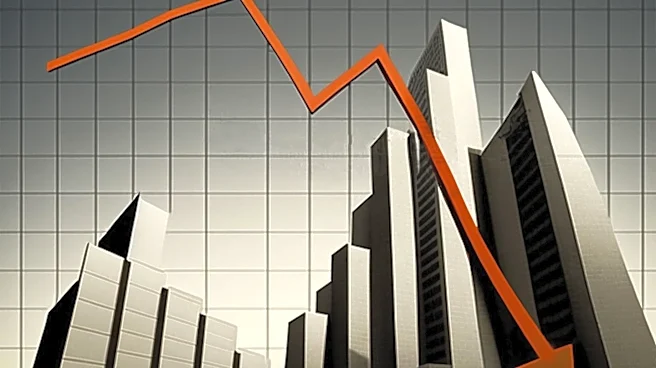
Australian consumer sentiment has fallen to its lowest point in four years, reaching 78.2 in November, a 2.7% decrease from October. This decline is attributed to a confluence of factors, including rising petrol prices, an annual inflation rate of 4.3%,
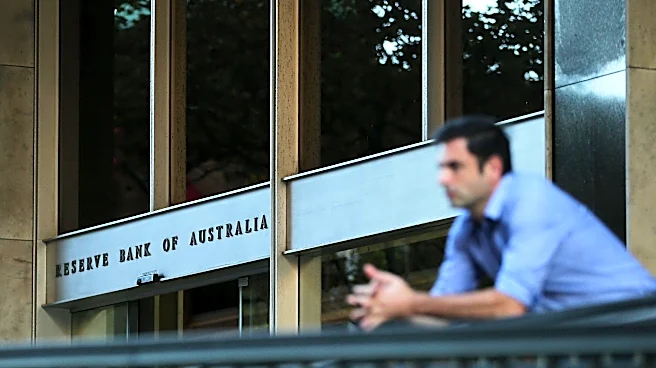
and the Reserve Bank of Australia (RBA) increasing the cash rate by 25 basis points to an 18-year high of 4.85%. Mortgage holders are particularly affected, with their sentiment dropping by 11.6% to a record low of 68.1. A significant 72% of mortgage holders now anticipate further rate increases. Beyond immediate cost-of-living pressures, there's a growing concern about the broader economic outlook, with consumer expectations for the next 12 months declining by approximately 10%. This shift indicates a move from solely cost-related worries to a more systemic unease about the economy.
Why It's Important?
This significant drop in Australian consumer sentiment signals a deepening economic challenge that could have ripple effects on various sectors. The record-low sentiment among mortgage holders suggests a substantial portion of the population is under severe financial stress, which could lead to reduced discretionary spending and a slowdown in retail and other consumer-driven industries. The widespread expectation of further interest rate hikes indicates a lack of confidence in the RBA's ability to stabilize the economy without further tightening, potentially exacerbating financial hardship for many. The shift from cost-of-living fatigue to broader economic concerns, including dimming job prospects and a deterioration in the economic outlook, suggests that businesses may face reduced demand and investment. This could lead to a more prolonged period of economic stagnation or even recession, impacting employment rates and overall economic growth.
What's Next?
The continued decline in consumer and business confidence suggests that the Australian economy may face a challenging period ahead. With 72% of mortgage holders expecting further rate increases, the RBA will be under pressure to carefully consider its monetary policy decisions to avoid further exacerbating financial strain. Businesses, already experiencing a decline in forward orders, may respond by scaling back investments and hiring, potentially leading to an increase in unemployment. The government may face calls for intervention or stimulus measures to support households and businesses. The upcoming months will likely see continued scrutiny of economic indicators, with particular attention paid to inflation, interest rates, and employment figures, as stakeholders assess the depth and duration of this economic downturn.
Beyond the Headlines
The current economic climate in Australia highlights a broader societal shift where the traditional markers of financial stability are becoming increasingly precarious for many. The record-low sentiment among mortgage holders underscores the vulnerability of a significant portion of the population to interest rate fluctuations, raising questions about housing affordability and the long-term sustainability of current mortgage practices. The growing unease about the jobs outlook, coupled with financial stress, could lead to increased social inequality and a widening gap between those who can weather economic downturns and those who cannot. This situation also prompts a re-evaluation of economic policies and the effectiveness of current measures in addressing both immediate cost-of-living pressures and underlying structural economic issues. The psychological impact of prolonged financial uncertainty on individuals and families could also have lasting consequences on societal well-being and consumer behavior.