





What's Happening?
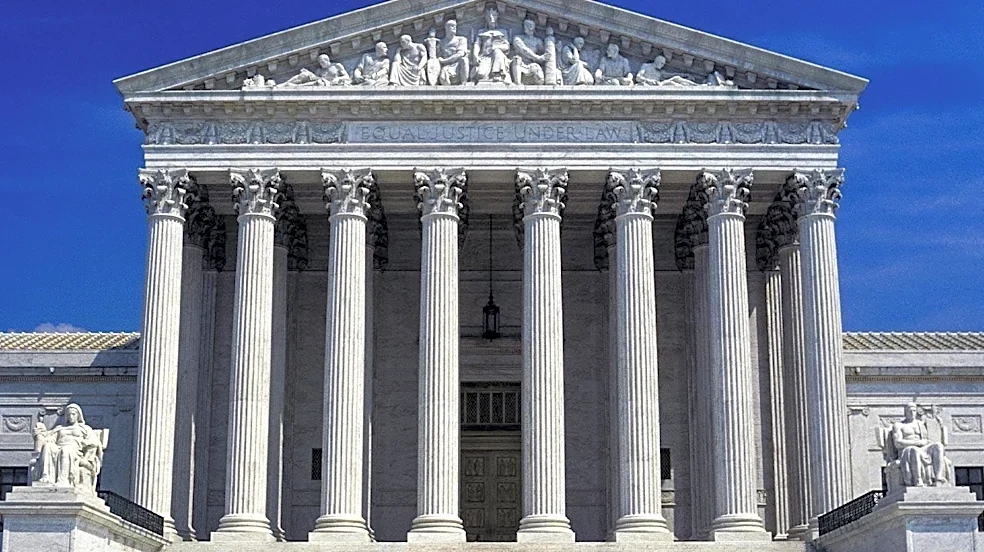
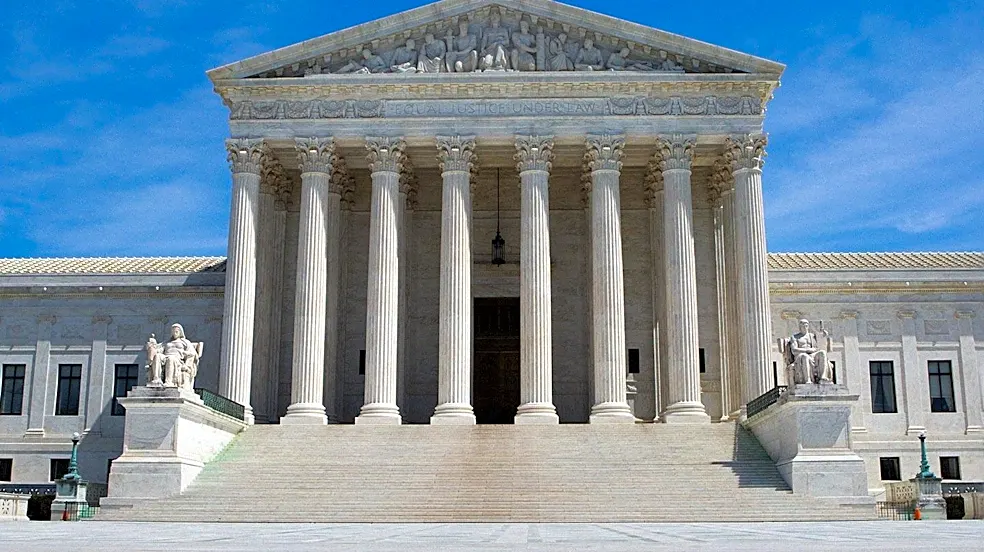
The U.S. Chamber of Commerce is advocating for automatic refunds for small businesses that paid tariffs invalidated by a Supreme Court ruling under the International Emergency Economic Powers Act (IEEPA). Neil Bradley, Executive Vice President, Chief
Policy Officer, and Head of Strategic Advocacy at the U.S. Chamber of Commerce, stated that the tariffs were illegal and businesses deserve their money back without having to go to court. The Chamber has filed an amicus brief supporting this position. There are three categories of refunds: for importers with unfinalized payments, those with finalized payments who may face delays, and businesses that used customs brokers, where refunds must first pass through the broker. This development comes amidst ongoing concerns for small businesses regarding inflation, tariffs, and regulatory changes, despite resilient consumer spending.
Why It's Important?
This issue is important for U.S. small businesses, as it directly impacts their financial stability and operational costs. The Supreme Court's invalidation of certain tariffs and the subsequent push for refunds could provide significant financial relief to businesses that incurred these costs. The U.S. Chamber of Commerce's advocacy highlights the challenges small businesses face in navigating complex legal and bureaucratic processes to reclaim funds. An automatic refund process, as proposed by the Chamber, would streamline recovery for potentially thousands of businesses, allowing them to reinvest in their operations, manage inflation, and contribute to economic growth. Conversely, delays or legal hurdles in obtaining refunds could exacerbate financial pressures on these businesses, hindering their ability to plan for the future and maintain resilience in an uncertain economic climate.
What's Next?
The U.S. Chamber of Commerce will continue its efforts to push for an automatic tariff refund process for affected small businesses. Businesses that believe they are entitled to a refund are advised to contact the U.S. Chamber for guidance on navigating the process. The situation may involve ongoing legal and administrative discussions between the Chamber, U.S. Customs and Border Protection, and potentially other government agencies to establish a clear and efficient refund mechanism. The outcome of these efforts will determine how quickly and easily small businesses can recover the funds from the invalidated tariffs. This issue also underscores the broader policy discussions around tariff implementation and the legal challenges that can arise, potentially influencing future trade policy decisions and their enforcement.
Beyond the Headlines
Beyond the immediate financial relief, this situation highlights the broader implications of trade policy on the U.S. business landscape, particularly for small enterprises. The invalidation of tariffs and the subsequent refund process underscore the legal complexities and potential for unintended consequences when trade measures are implemented. It also brings to light the critical role of advocacy groups like the U.S. Chamber of Commerce in representing business interests and ensuring fair treatment under the law. The debate over automatic refunds versus requiring businesses to pursue legal action touches upon principles of administrative efficiency, access to justice, and the government's responsibility to rectify errors. This event could lead to a re-examination of the legal frameworks governing tariff imposition and the mechanisms for redress, aiming to create a more predictable and equitable environment for businesses engaged in international trade.