








What's Happening?
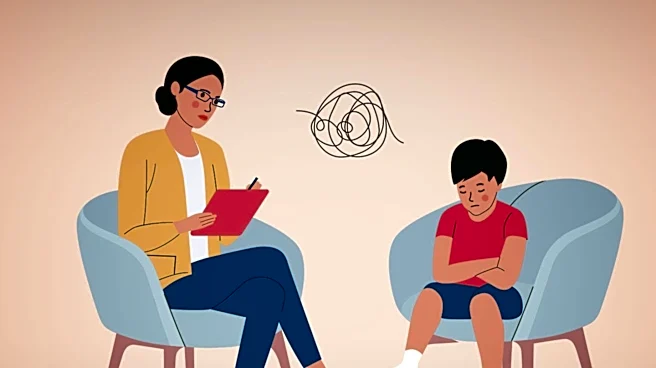
The article explores the concept of conditional regard, a parenting pattern where a parent's warmth and approval fluctuate based on a child's achievements. This pattern can lead to unstable self-esteem in children, causing them to oscillate between feelings
of grandiosity and shame. The research highlights the emotional costs associated with conditional regard, including compulsive motivation and contingent self-esteem. The article also discusses the long-term effects on adults, particularly driven women, who may struggle with self-worth and the ability to accept unconditional praise.
Why It's Important?
Understanding conditional regard is crucial for recognizing its impact on mental health and personal development. This parenting pattern can have lasting effects on individuals, influencing their motivation, self-esteem, and emotional well-being. By identifying and addressing these issues, individuals can work towards building a stable sense of self-worth that is not dependent on external validation. This knowledge is particularly relevant for mental health professionals, educators, and parents, as it provides insights into fostering healthier relationships and promoting emotional resilience.