


What's Happening?
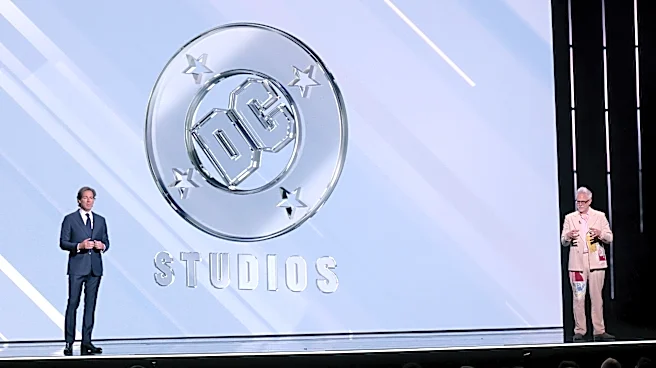
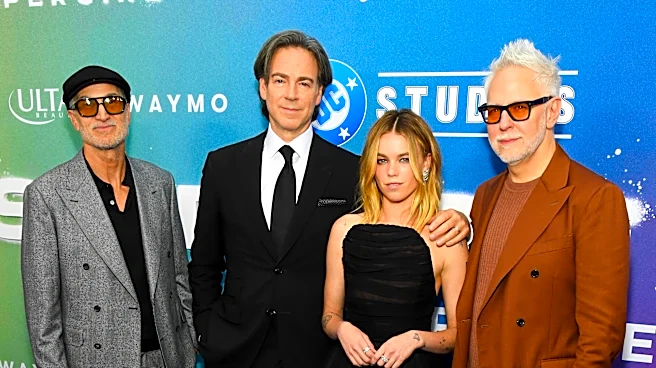
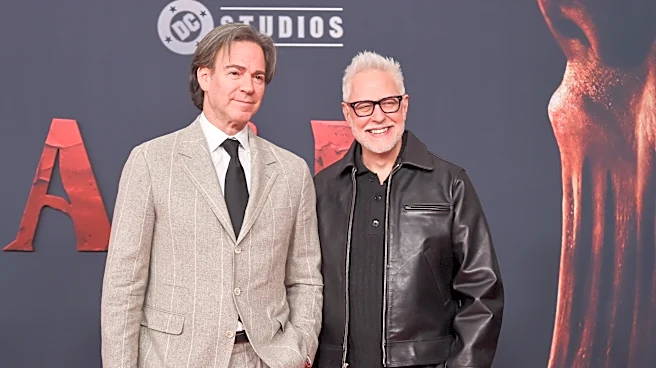
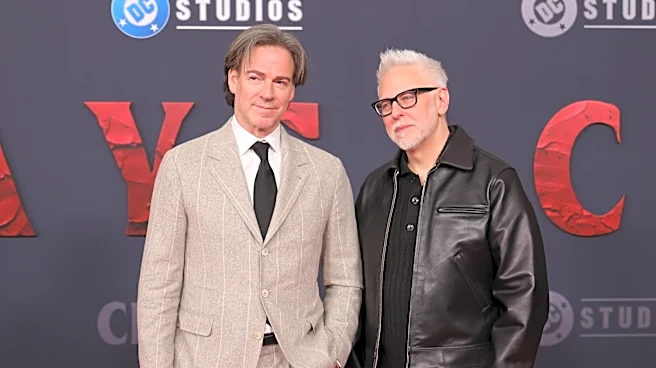
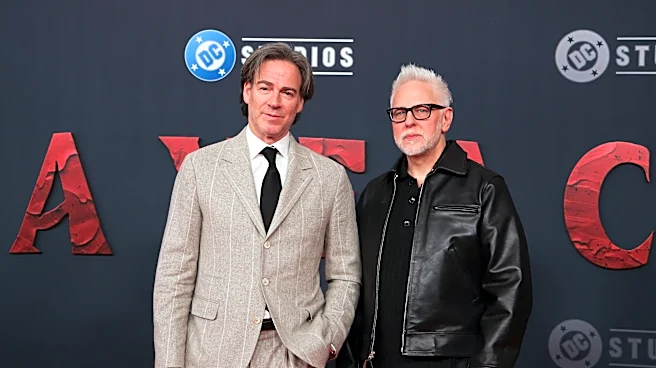
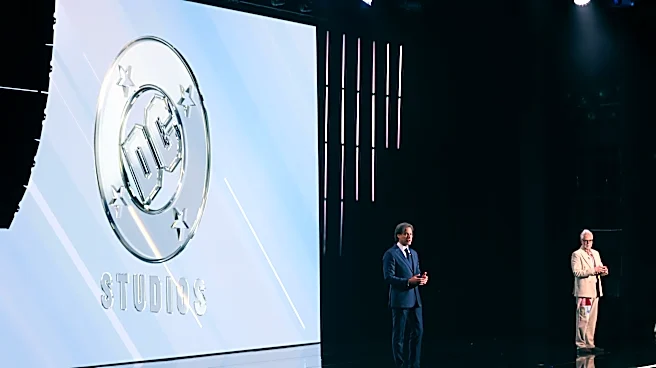
Following a leadership change at DC Studios, where James Gunn and Peter Safran were replaced by Jeremy Latcham, there are significant concerns regarding the future creative direction of DC's film projects. Insiders, as reported by The Wrap, indicate that
the new mandate from David Ellison is to prioritize bringing the Justice League back to the big screen as quickly as possible. This directive suggests a shift away from standalone character films towards an accelerated shared universe model. This approach is reminiscent of previous attempts by Warner Bros. to emulate the Marvel Cinematic Universe (MCU), which have historically faced challenges. The focus is now on major characters like Wonder Woman, Green Lantern, and The Flash, potentially at the expense of more niche or critically acclaimed standalone projects.
Why It's Important?
This strategic pivot by DC Studios carries substantial implications for the U.S. entertainment industry, particularly for the superhero film genre. The emphasis on a rapid Justice League assembly line could lead to a rushed cinematic universe, potentially sacrificing narrative depth and character development for interconnectedness. This approach has previously resulted in mixed critical and commercial reception for DC films. Stakeholders, including filmmakers, actors, and fans, stand to be significantly affected. Filmmakers with unique visions for individual characters might find their creative autonomy curtailed, while actors could be locked into long-term, interconnected contracts. For audiences, the risk is a diluted cinematic experience if films are primarily designed to serve a larger universe rather than stand on their own merits. The success or failure of this strategy could influence future investment and creative decisions across the broader Hollywood landscape, impacting how other studios approach their intellectual properties.
What's Next?
The immediate future will likely see DC Studios accelerating development on films featuring prominent Justice League members, with a clear mandate to build towards a team-up movie. This could mean casting announcements, director selections, and production timelines being fast-tracked. The fate of existing standalone projects, such as Matt Reeves' 'The Batman' saga, remains a point of contention. While 'The Batman Part II' is reportedly safe, its long-term continuation, particularly 'Part III,' could be jeopardized if it doesn't align with the new shared universe vision. The industry will be closely watching how this new leadership balances the desire for a cohesive universe with the critical and commercial success often found in standalone, filmmaker-driven projects. Potential reactions from fans and critics to these initial moves will be crucial in shaping the narrative around DC's cinematic future.
Beyond the Headlines
The underlying tension in DC Studios' strategy reflects a broader industry debate about the optimal approach to managing valuable intellectual property in the age of cinematic universes. The repeated attempts to replicate the MCU's success, despite past failures, highlight a perceived pressure to conform to a dominant model. This situation raises questions about creative freedom versus corporate mandates, and whether a 'one-size-fits-all' approach to franchise building truly serves the diverse nature of comic book characters. The ethical implication lies in potentially sacrificing artistic integrity for commercial expediency. Long-term, if this strategy falters, it could lead to a re-evaluation of the shared universe model itself, potentially encouraging a return to more standalone, director-driven projects across the industry. Conversely, if it succeeds, it could solidify the shared universe as the undisputed paradigm for major franchises, further consolidating creative control within studio executives.