


What's Happening?
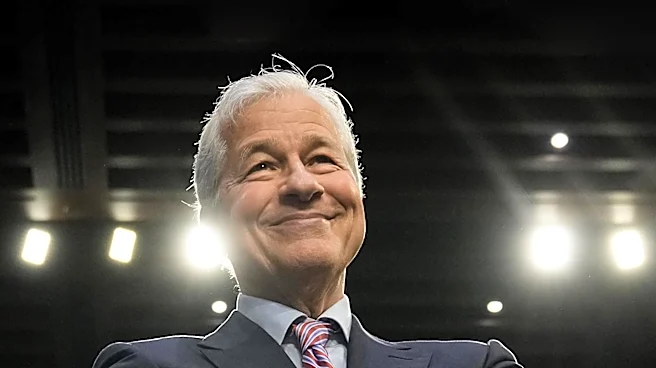
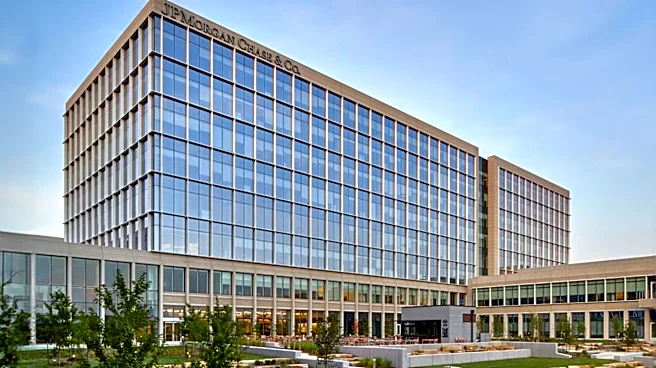
JPMorgan Chase CEO Jamie Dimon has issued a warning regarding the potential for a bond crisis and elevated levels of leverage within the financial system. While not predicting an immediate crisis, Dimon emphasized that prolonged high debt and expensive
money could uncover hidden risks. JPMorgan is actively preparing for scenarios involving economic contraction and stagflation. Dimon highlighted that if borrowing costs remain high, stress could migrate into less transparent areas of the financial system. His concerns are focused on second-order risks rather than immediate forecasts, suggesting a need for preparedness against unforeseen economic challenges. He also pointed out some weakening in credit standards and criticized the lack of transparency in the private credit market, indicating that losses in leveraged loans could exceed market expectations in a future credit cycle. The backdrop to these concerns is the possibility of a sustained high-interest-rate environment, which could pressure highly indebted companies and consumers as they face higher refinancing costs.
Why It's Important?
Dimon's warnings are significant for the U.S. financial landscape as they come from the head of one of the nation's largest banks, indicating a cautious outlook on economic stability. A potential bond crisis or widespread stagflation could severely impact U.S. industries by increasing borrowing costs, reducing investment, and potentially leading to job losses. Businesses, particularly those with high leverage, stand to lose as they face higher interest rates on their debt, making it more challenging to refinance or expand. Consumers could also be affected by tighter credit conditions and increased costs for loans, as evidenced by rising auto loan balances. The lack of transparency in the private credit market, as noted by Dimon, poses a systemic risk, as it could obscure the true extent of potential losses until a credit cycle begins. This could lead to unexpected market volatility and undermine investor confidence, potentially triggering broader economic instability.
What's Next?
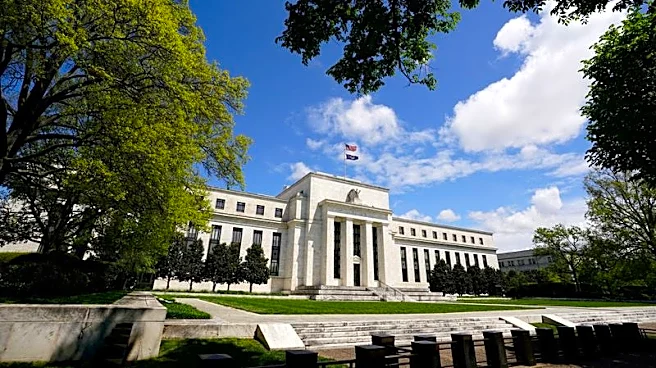
In response to these concerns, JPMorgan Chase is proactively preparing for potential economic contraction and stagflation, suggesting that other financial institutions may follow suit by tightening lending standards and shoring up their balance sheets. Businesses, especially those with significant debt, will likely need to reassess their financial strategies to mitigate the impact of potentially higher interest rates and a less favorable credit environment. Regulators might increase scrutiny on the private credit market to address transparency issues and prevent systemic risks from materializing. Investors will be closely watching economic indicators and central bank policies for signs of prolonged high interest rates or an impending recession. The Federal Reserve's future interest rate decisions will be crucial in determining whether the U.S. economy can navigate these potential challenges without experiencing a significant downturn. Companies and consumers should prepare for a period of potentially higher borrowing costs and increased financial caution.
Beyond the Headlines
The deeper implications of Dimon's warnings extend to the broader economic philosophy guiding financial markets. His emphasis on second-order risks highlights the interconnectedness of various financial sectors and the potential for seemingly isolated issues to cascade into systemic problems. The criticism of private credit market transparency points to a growing concern about shadow banking and unregulated financial activities, which could pose significant challenges to financial stability if not adequately addressed. This situation underscores the ongoing tension between market innovation and regulatory oversight. Furthermore, the potential for stagflation—a combination of high inflation and slow economic growth—could lead to a prolonged period of economic hardship, impacting everything from consumer purchasing power to corporate profitability. This scenario could also exacerbate social inequalities, as those with fewer financial resources are often hit hardest by rising costs and economic stagnation, potentially leading to broader societal unrest and political challenges.