







What's Happening?
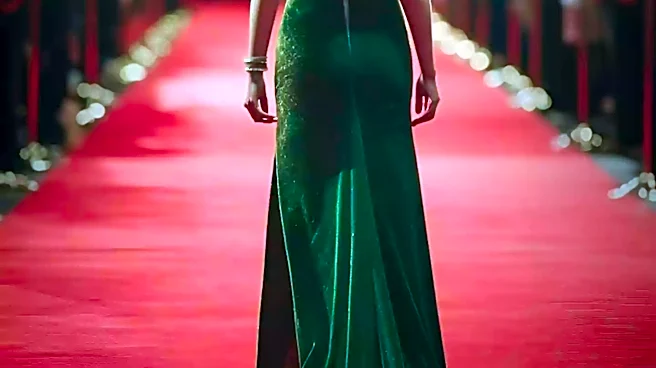
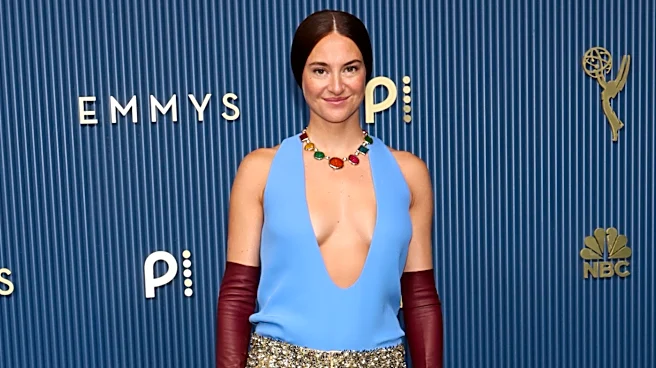
Actress Sharon Horgan shared a candid account of a last-minute wardrobe emergency she experienced just before stepping onto the red carpet at the Emmy Awards. During an appearance on 'LIVE WITH KELLY AND MARK,' Horgan recounted the stressful sequence
of events to hosts Kelly Ripa and Mark Consuelos. She described the situation as a significant scare that nearly derailed her red carpet moment, emphasizing the unexpected challenges that can arise behind the scenes of major awards shows. Her narrative focused on the specifics of what went wrong with her outfit, providing a rare, unvarnished look at the pressures faced by celebrities in such high-profile settings. Horgan's story offered an honest, in-the-moment perspective, contrasting with the often-polished public image of awards show attendees.
Why It's Important?
This incident highlights the often-unseen realities and pressures within the entertainment industry, particularly concerning public appearances at major events like the Emmy Awards. For celebrities, maintaining a flawless public image is crucial, and a wardrobe malfunction can have significant implications for their brand and media perception. The story underscores the meticulous planning and potential for unforeseen complications that go into red carpet events, revealing the human element behind the glamour. It also offers a relatable moment for the public, demystifying the celebrity experience by showing that even well-prepared individuals can face unexpected challenges. This transparency can foster a deeper connection between celebrities and their audience, as it humanizes figures often seen as unattainable.
What's Next?
While there are no direct 'next steps' for this specific incident, Horgan's candidness may encourage other public figures to share similar behind-the-scenes anecdotes, potentially fostering a more open dialogue about the realities of celebrity life. Such stories contribute to a broader trend of celebrities being more transparent about their experiences, which can influence public perception and media coverage of awards shows. For event organizers and stylists, such accounts might prompt a review of contingency plans for wardrobe issues, ensuring smoother operations for future red carpet events. The narrative also serves as a reminder for aspiring public figures about the unpredictable nature of live events and the importance of adaptability.
Beyond the Headlines
Horgan's story touches upon the broader cultural phenomenon of red carpet fashion and its immense scrutiny. In an era dominated by social media, every detail of a celebrity's appearance is dissected and judged, making wardrobe choices a high-stakes affair. The incident subtly critiques the often-unrealistic expectations placed on public figures to appear perfect, revealing the vulnerability beneath the polished exterior. It also speaks to the psychological pressure of performing under intense public gaze, where a minor mishap can become a major headline. This narrative contributes to a more nuanced understanding of the entertainment industry, moving beyond superficial glamour to acknowledge the stress and human effort involved in maintaining a public persona.