




What's Happening?
Composting at home can be achieved through various methods, with worm bins being a popular choice for apartment dwellers. A well-maintained worm bin, typically a 14-gallon tote, can process about two pounds of kitchen waste per week without odors, according
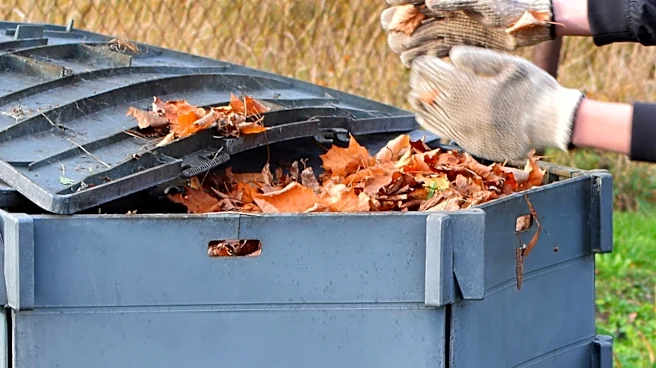
to Oregon State Extension. Suitable feed for worms includes fruit and vegetable scraps, coffee grounds, tea bags, and crushed eggshells, while items like citrus, onions, garlic, meat, dairy, greasy food, bones, and pet waste should be avoided. Odors usually indicate too much moisture, food, or insufficient air. For those unable to keep worms, community drop-off sites for food scraps are available at locations such as community gardens, farmers markets, schools, parks, or municipal buildings. Composting generally requires a balance of 'brown' materials (dead leaves) and 'green' materials (grass clippings) and can take two to five weeks to break down into usable compost.
Why It's Important?
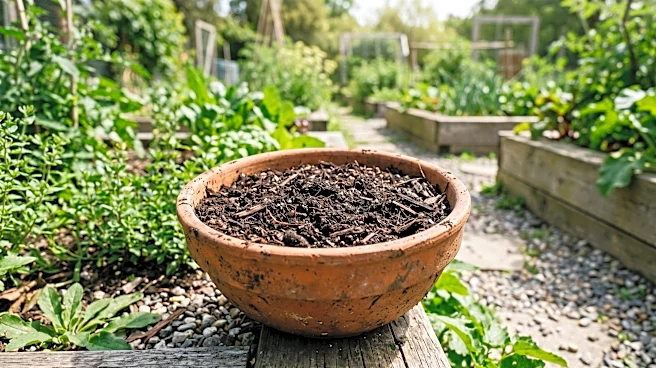
Home composting offers significant environmental benefits by diverting organic waste from landfills, thereby reducing methane emissions, a potent greenhouse gas. For individuals, it provides a sustainable way to manage kitchen and yard waste, producing nutrient-rich compost that can enhance soil quality for gardening. This practice reduces reliance on chemical fertilizers and contributes to healthier ecosystems. The accessibility of methods like worm bins makes composting feasible even in urban environments, promoting broader participation in waste reduction efforts. The availability of community drop-off sites further expands options for those without the space or means for home setups, fostering a collective approach to waste management and resource recovery within communities.
What's Next?
As awareness of environmental sustainability grows, more individuals and communities are likely to adopt composting practices. Educational initiatives on proper composting techniques, including managing worm bins and balancing compost materials, will become increasingly important. Local governments and community organizations may expand the number of food scrap drop-off sites and potentially offer incentives for home composting. Innovations in composting technology, such as more efficient enclosed bins or automated systems, could also emerge, making the process easier and more accessible. The continued integration of composting into daily life will contribute to a more circular economy, where organic waste is seen as a valuable resource rather than refuse.
Beyond the Headlines
The rise of home composting reflects a growing desire for self-sufficiency and a deeper connection to food systems. By transforming kitchen scraps into soil amendments, individuals gain a tangible understanding of nutrient cycles and waste reduction. This practice can also foster community engagement through shared drop-off points and local composting initiatives, building stronger neighborhood ties around environmental stewardship. Ethically, composting aligns with principles of resource conservation and minimizing ecological footprints. Legally, some municipalities are beginning to mandate organic waste diversion, making home composting or participation in community programs a civic responsibility. Culturally, it represents a shift towards more sustainable living practices, integrating environmental consciousness into everyday routines.