








What's Happening?
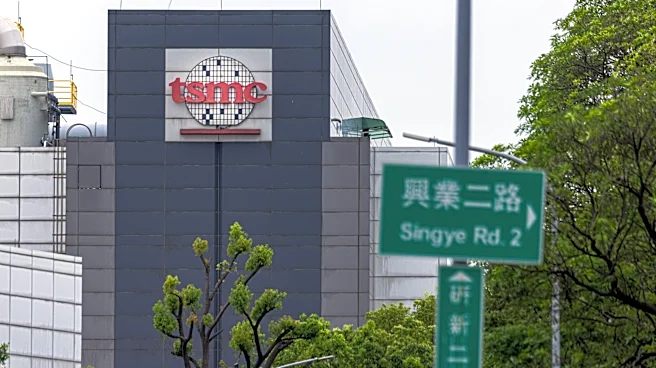
The stock market has seen a historic performance in the second quarter, with major U.S. indexes posting their best returns since 2020. However, a divergence has emerged within the AI trade, as chipmakers have surged while hyperscalers have lagged behind.
The so-called Magnificent 7 stocks, which include major hyperscalers, have underperformed as investors favor companies producing the chips essential for AI technologies. This shift reflects skepticism about the return on investment from the high capital expenditures of hyperscalers, raising questions about their future role in the AI market.
Why It's Important?
The underperformance of hyperscalers in the AI trade highlights a critical shift in investor sentiment, with potential implications for the tech industry and stock market dynamics. As chipmakers continue to attract investment, hyperscalers face pressure to demonstrate the value of their AI-related expenditures. This situation underscores the importance of tangible results and effective monetization strategies for hyperscalers to regain investor confidence. The outcome of this divergence could influence the allocation of capital within the tech sector and shape the future landscape of AI development and deployment.
What's Next?
The upcoming earnings season for the Magnificent 7 will be a crucial test for hyperscalers, as investors seek evidence of progress in AI monetization. Analysts from major financial institutions, including Morgan Stanley and Goldman Sachs, have expressed optimism about a potential rotation back to hyperscalers, contingent on improved financial performance. The ability of hyperscalers to close the gap with chipmakers will depend on their capacity to generate revenue and earnings from AI investments. The market's response to these developments will provide insights into the future trajectory of the AI trade.