



What's Happening?
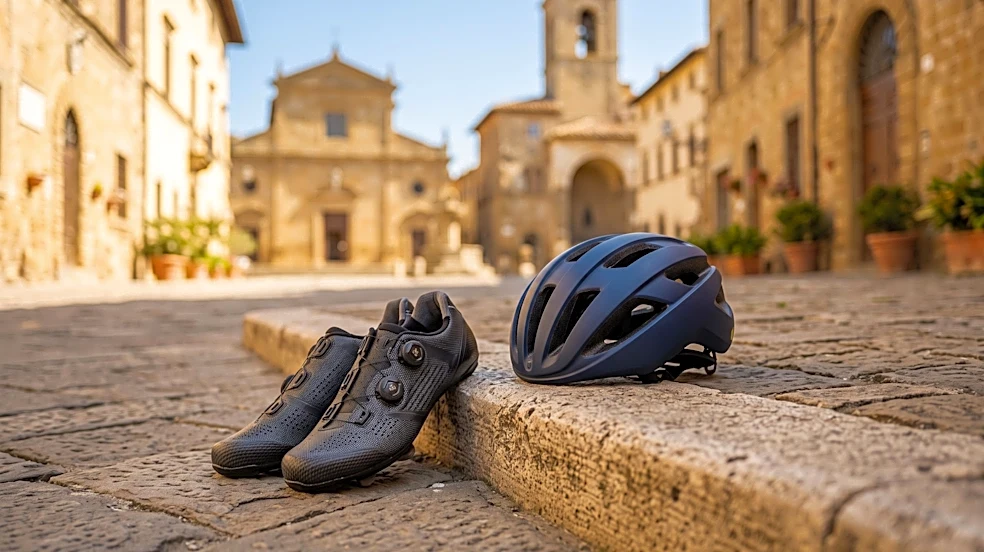
Michele Checcacci and Domitilla Bindi emerged as the winners of the second edition of the Corsa del Ricordo (Race of Remembrance) in Grosseto, Italy. The event, held in Piazza Duomo, attracted over 100 athletes and served as the sole Tuscan stop for a circuit
organized by Asi, in collaboration with ANVGD. The race commemorates the victims of the Foibe massacres and the exodus of Italian populations from the northeastern border territories at the end of World War II. Fabrizio Rossi, the Assessor for Sport, along with Vice Mayor Bruno Ceccherini and councilor Luca Vitale, initiated the race. The course, designed by Team Marathon Bike's Maurizio Ciolfi, wound through the historic center. Michele Checcacci of Team Marathon Bike dominated the men's 9 km race, finishing in 32 minutes and 22 seconds, closely followed by Samuele Pallari. Domitilla Bindi of The Lab S.S.D. A.R.L. won the women's race with a time of 41 minutes and 26 seconds, ahead of Luljeta Zefi. In addition to the competitive races, a non-competitive run allowed many to participate, and a children's event organized by the Triathlon School of Grosseto concluded the morning.
Why It's Important?
This event holds significance beyond just a sporting competition, as it serves as a poignant act of remembrance for a tragic period in Italian history. The Corsa del Ricordo, by commemorating the victims of the Foibe massacres and the Istrian-Dalmatian exodus, helps to keep alive the memory of these historical events, fostering a collective understanding of past suffering. The participation of local government officials, such as Assessor Fabrizio Rossi and Vice Mayor Bruno Ceccherini, underscores the institutional recognition and support for preserving this historical memory. Furthermore, the inclusion of a children's event highlights an intergenerational effort to educate younger generations about these historical events, ensuring that the lessons of the past are not forgotten. The race also promotes community engagement and physical activity, bringing together athletes and citizens in a shared experience that combines sport with historical reflection. The success of the event, with over 100 athletes and a large public presence, demonstrates the community's commitment to both athletic pursuits and historical remembrance.
What's Next?
The national organizer, Roberto Cipolletti, indicated that Grosseto will continue to be a stop for the Corsa del Ricordo in the coming years, suggesting the event's growing importance and sustained presence in the region. This commitment implies continued efforts to combine athletic competition with historical commemoration. Future editions are likely to build upon the success of this year's event, potentially attracting more participants and further solidifying its role in both the sporting calendar and the collective memory of the community. The ongoing collaboration between Asi and ANVGD, along with local authorities, will be crucial in ensuring the continuity and growth of the event. The focus on involving children, as seen in the Triathlon School's initiative, suggests a continued emphasis on educational aspects and engaging younger generations in the remembrance process. This long-term vision aims to ensure that the historical significance of the Corsa del Ricordo remains a vital part of the community's cultural and historical landscape.
Beyond the Headlines
The Corsa del Ricordo transcends a typical athletic event by intertwining sport with a profound historical and cultural narrative. It serves as a powerful example of how public events can be utilized to address sensitive historical topics and promote collective memory. The act of running, often seen as a personal challenge, is transformed into a communal act of remembrance, allowing participants to physically engage with a historical narrative. This approach can foster a deeper connection to history than traditional educational methods alone. The event also highlights the role of local communities and sports organizations in preserving historical memory and promoting civic engagement. By bringing together athletes, families, and local officials, the race creates a shared space for reflection and community building. The emotional impact of such events, particularly the children's race, underscores the potential for sport to be a vehicle for transmitting cultural values and historical understanding across generations, ensuring that the memory of past events, however painful, continues to inform the present and future.