

What's Happening?
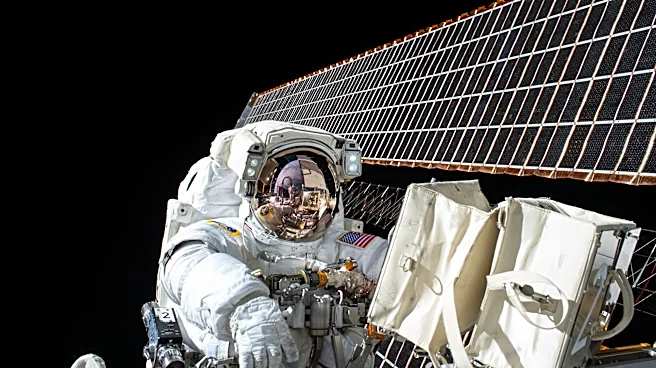
Axiom Space, a human space exploration company based in Houston, Texas, is actively recruiting an Avionics Software Project Engineer. This role is crucial for the design and development of Avionics and Embedded Systems Flight Software, specifically for the AxEMU
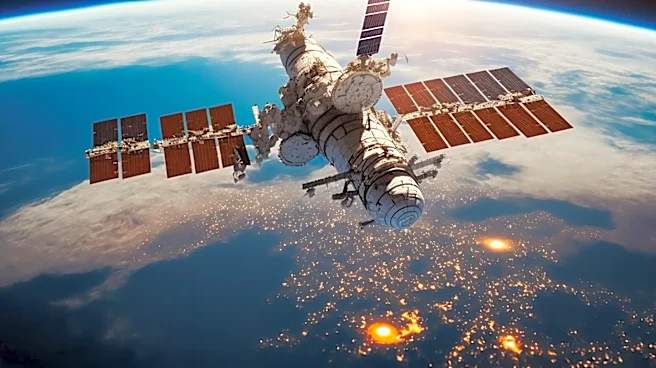
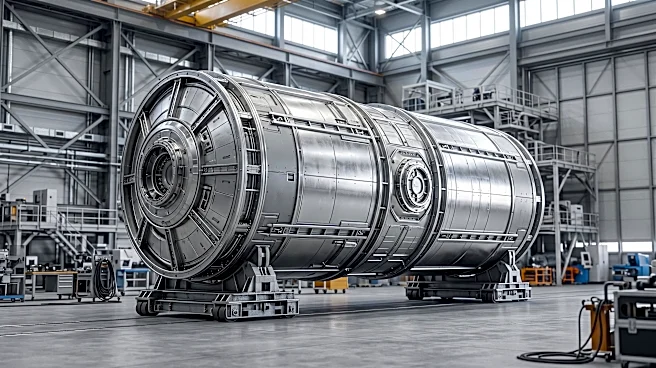
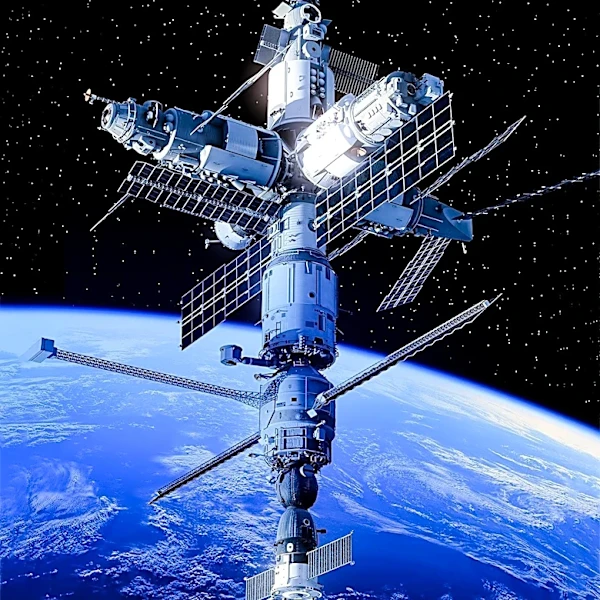
Spacesuit. The company is focused on building the world's first commercial space station, intended to succeed the International Space Station, and is also a primary provider of commercial human spaceflight services and advanced spacesuits for lunar missions and beyond. The successful candidate will be responsible for managing complex scopes of work, developing project requirements, creating and maintaining project schedules, and identifying and managing risks. This position requires a Bachelor’s Degree in Software Engineering, Electrical Engineering, Aerospace Engineering, or a related field, along with five years of experience leading engineering projects. Technical understanding in Avionics and flight software development for safety-critical applications is essential, with a preference for candidates experienced with NASA requirements and spaceflight hardware development.
Why It's Important?
This hiring initiative by Axiom Space underscores the accelerating commercialization of space and the growing demand for specialized engineering talent within the U.S. aerospace sector. The development of the AxEMU Spacesuit and the commercial space station represents a significant step towards expanding human presence in low-Earth orbit and beyond. This project will foster groundbreaking innovation and research in microgravity, potentially driving a new global space economy. The need for highly skilled engineers in avionics and embedded software highlights the complexity and advanced technological requirements of modern space exploration. Success in these endeavors could solidify the U.S.'s leadership in commercial space, create new job opportunities, and attract further investment into the sector, impacting industries from manufacturing to advanced computing. The emphasis on meeting rigorous NASA standards and FAA regulations also reflects the critical importance of safety and reliability in these cutting-edge projects.
What's Next?
Axiom Space will continue its recruitment efforts to fill this and other critical engineering positions to support its ambitious projects. The company's focus remains on the development of Axiom Station, which is envisioned as the successor to the International Space Station, and the advancement of its commercial human spaceflight services. The progress in developing the AxEMU Spacesuit will be vital for future lunar missions and other deep-space explorations. As these projects advance, there will likely be further announcements regarding partnerships, mission milestones, and technological breakthroughs. The successful integration of new talent will be key to meeting project deadlines and ensuring the safety and functionality of future space infrastructure. The company's trajectory suggests a continued expansion of its operations and influence within the burgeoning commercial space industry.
Beyond the Headlines
The recruitment for specialized roles like an Avionics Software Project Engineer at Axiom Space reflects a broader shift in the space industry from government-led initiatives to a more commercially driven model. This transition brings with it new ethical and legal considerations, particularly concerning the ownership and regulation of commercial space assets and activities. The development of private space stations and advanced spacesuits also raises questions about accessibility to space, the potential for space tourism, and the long-term implications for international cooperation and competition in space. Furthermore, the emphasis on 'era-defining space infrastructure' suggests a future where space is not just a frontier for exploration but a domain for sustained human habitation and economic activity, potentially leading to new industries and societal structures beyond Earth. The rigorous technical requirements also highlight the ongoing challenge of ensuring human safety in extreme environments.