



What's Happening?
Creating a home spa ritual involves several steps designed to promote relaxation and well-being. Key practices include drawing a warm bath with magnesium-rich bath salts to soothe muscles, applying a hydrating or clay face mask for fifteen minutes while
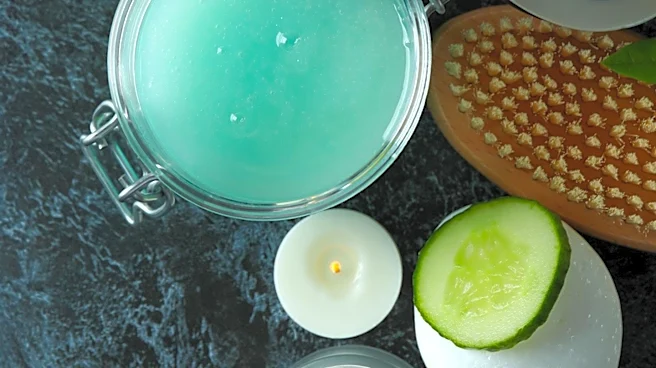
soaking, and then massaging the face with a gua sha or facial roller for de-puffing and calming effects. Another crucial element is using a weighted, cooling eye pillow for ten minutes to relax the eyes. The ritual concludes with a warm drink, journaling, or reading, specifically avoiding screens. Setting the atmosphere is also vital, which involves tidying the space, dimming lights, lighting a candle, and playing soft sounds. These steps collectively aim to provide a luxurious self-care experience without the need for an expensive spa day, emphasizing that rest is essential for sustained well-being rather than a reward.
Why It's Important?
The emphasis on accessible home spa rituals highlights a growing trend in self-care and mental wellness, particularly in a society where stress and burnout are prevalent. By promoting practices that can be done at home with minimal cost, it democratizes relaxation and makes it attainable for a broader population. This approach can lead to improved mental health outcomes, reduced stress levels, and enhanced overall well-being for individuals. The focus on disconnecting from screens and engaging in calming activities like journaling or reading encourages mindfulness and a break from constant digital stimulation, which is increasingly recognized as beneficial for cognitive health. Furthermore, the idea that rest is not a reward but a necessity challenges conventional productivity-driven mindsets, fostering a healthier relationship with work and personal time. This shift can contribute to a more balanced and resilient workforce and society.
What's Next?
As awareness of the benefits of self-care grows, it is likely that more individuals will integrate home spa rituals into their regular routines. This could lead to an increased demand for products that facilitate these practices, such as bath salts, face masks, gua shas, facial rollers, eye pillows, and calming teas. Businesses in the wellness and beauty sectors may further innovate to offer affordable and convenient products tailored for at-home spa experiences. Additionally, there might be a continued cultural shift towards prioritizing personal well-being and mental health, potentially influencing workplace policies to encourage better work-life balance. Educational content promoting these simple, effective self-care methods is also expected to expand, reaching a wider audience and normalizing the practice of regular, accessible relaxation.
Beyond the Headlines
The promotion of home spa rituals extends beyond mere personal indulgence; it reflects a deeper societal recognition of the importance of holistic well-being and the limitations of external validation. By encouraging individuals to create their own sanctuaries of calm, it empowers them to take active control of their mental and physical health. This movement subtly challenges the consumerist notion that relaxation must be purchased as a luxury service, instead advocating for intrinsic self-nurturing. Ethically, it promotes a more sustainable approach to wellness, reducing reliance on resource-intensive external services. Culturally, it could foster a greater appreciation for quiet contemplation and mindful living, potentially counteracting the fast-paced, always-on demands of modern life. This shift could lead to a more resilient and self-sufficient population, better equipped to handle daily stressors and maintain long-term health.