





What's Happening?
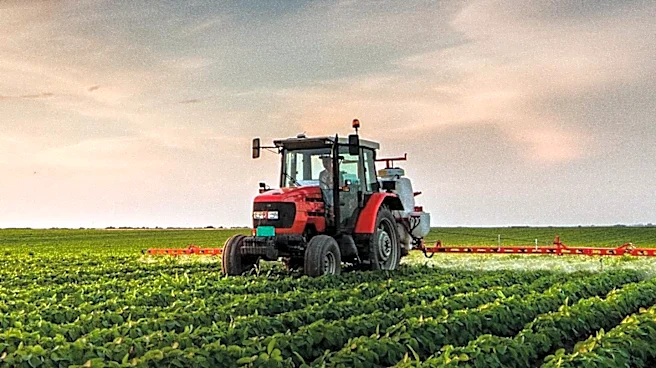
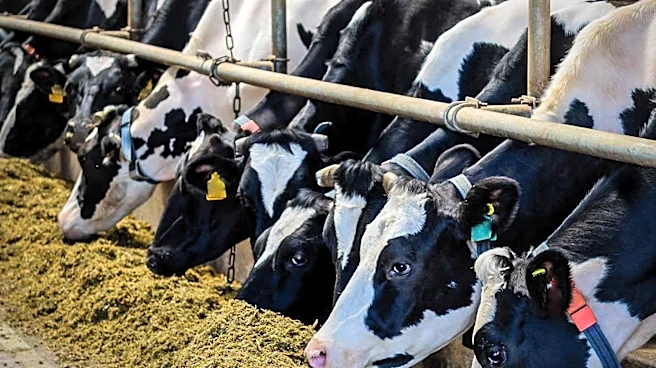
Agribusiness, a comprehensive commercial system, encompasses all stages from agricultural inputs to consumption, extending beyond just farming. This system includes upstream activities like producing seeds, fertilizers, machinery, and animal feed, as well
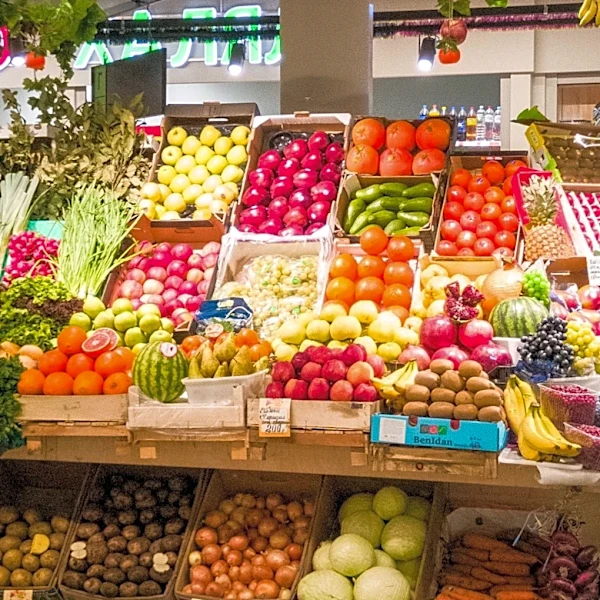
as downstream activities such as processing, packaging, shipping, advertising, and retailing. Corporate farming, a narrower aspect, specifically refers to corporate ownership or control over agricultural production. A key trend in modern agriculture is farm consolidation, where production shifts towards fewer, larger operations. This is largely driven by economies of scale, which allow larger farms to reduce average costs per unit as output increases, often through the use of large machinery, specialized storage, bulk purchasing, and extensive transportation networks. While large farms, corporate farms, and nonfamily farms are distinct categories, the overall movement is towards larger, more specialized agricultural entities. Commodity chains, which are linked sequences of activities, connect geographically separated production and consumption regions, with processing plants, transport corridors, ports, and cold storage facilities influencing agricultural clustering.
Why It's Important?
The increasing influence of agribusiness and corporate farming has significant implications for the U.S. agricultural landscape and economy. The drive for economies of scale leads to greater efficiency and potentially lower unit costs for agricultural products, which can benefit consumers through more affordable food. However, this consolidation also means fewer, larger operations, potentially reducing the number of independent family farms and increasing corporate control over the food supply chain. Farmers may face weaker bargaining power and increased dependence on contracts with large corporations, especially after investing in specialized equipment. While corporations can provide technology, market access, and consistent standards, this can also lead to concerns about farmer dependency, monocropping, and market concentration. The spatial effects include specialized production regions and the clustering of farms and supporting services around processing and transportation hubs, which can reduce costs but also limit farmers' options for buyers.
What's Next?
The trend of farm consolidation and the expansion of agribusiness are expected to continue, driven by technological advancements and the pursuit of greater efficiencies. This will likely lead to further integration within commodity chains, with corporations potentially controlling more successive stages (vertical integration) or expanding at the same stage (horizontal integration). Contract farming, where corporations coordinate production through agreements with legally separate farmers, is also likely to remain a prevalent model. Future developments may involve a continued balance between the benefits of corporate efficiency, such as reliable supply and consistent quality, and the potential costs, including reduced farmer independence and environmental concerns like monocropping and concentrated waste. Stakeholders, including farmers, rural communities, and consumers, will continue to navigate these evolving dynamics, with ongoing discussions around fair contract terms, environmental safeguards, and the overall structure of agricultural production.
Beyond the Headlines
The expansion of agribusiness raises deeper questions about the social and environmental fabric of rural America. The shift from numerous small family farms to fewer, larger corporate operations can impact rural communities by potentially reducing local employment opportunities and altering traditional agricultural lifestyles. While technology and efficiency are often highlighted as benefits, the long-term environmental consequences of large-scale monocropping, such as soil degradation, increased pesticide use, and vulnerability to pests and diseases, are critical considerations. The ethical dimension of farmer dependency on large corporations, where growers may be locked into contracts with limited alternatives, also warrants attention. This evolving agricultural landscape underscores a fundamental tension between economic efficiency and the preservation of independent farming, local economies, and environmental sustainability, shaping not only what we eat but also the communities that produce it.