






What's Happening?
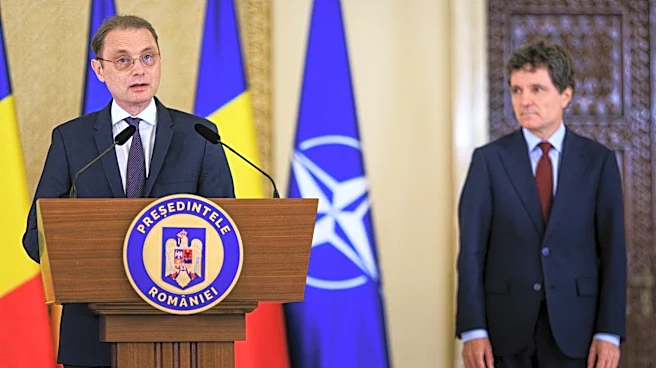
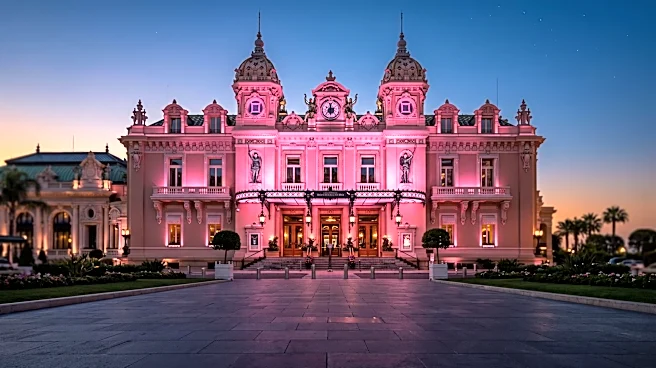
Princess Charlene of Monaco, accompanied by her brother Gareth Wittstock, officially launched Pink October by illuminating Casino Square in pink. This event marks the 16th consecutive year of the initiative, organized by Pink Ribbon Monaco, an association
dedicated to raising awareness of breast and gynecological cancers. Princess Charlene serves as the Honorary President of Pink Ribbon Monaco. Throughout October, 24 buildings across the Principality, including the Prince’s Palace, will be illuminated in pink to symbolize Monaco's commitment to prevention, screening, and care for these cancers. The initiative also includes a public health message from Monaco’s Department of Social Affairs and Health, encouraging women aged 45 to 80 who are residents or covered by the Principality’s social security system to undergo biennial mammograms. Women are also advised to consult a doctor or gynecologist immediately if they notice any unusual changes in their breasts and to maintain annual gynecological check-ups, even after age 60.
Why It's Important?
The Pink October initiative in Monaco is important because it directly addresses a significant public health concern: breast and gynecological cancers. With breast cancer being the most common cancer among women and a leading cause of cancer-related mortality, early detection is crucial for improving treatment outcomes. Princess Charlene's prominent role as Honorary President and her active participation in the symbolic illumination draw considerable attention to the cause, leveraging her public platform to amplify awareness. The widespread illumination of key landmarks across Monaco creates a highly visible and consistent reminder for the public about the importance of screening and prevention. This sustained public awareness campaign, coupled with specific medical recommendations from the Department of Social Affairs and Health, aims to encourage proactive health behaviors among women, potentially leading to earlier diagnoses and better prognoses. The involvement of a royal figure also lends credibility and a sense of urgency to the health message, reinforcing the Principality's broader public health strategy focused on prevention and early detection.
What's Next?
Following the symbolic illumination of Casino Square, the Pink October campaign will continue throughout the month with 24 buildings across Monaco, including the Prince’s Palace, remaining illuminated in pink. This sustained visual presence aims to maintain public awareness regarding breast and gynecological cancers. The Department of Social Affairs and Health will continue to remind women aged 45 to 80, who are residents of Monaco or covered by its social security system, about the importance of undergoing mammograms every two years. Additionally, women will be encouraged to remain vigilant for any unusual breast changes and to seek immediate medical consultation if necessary. The broader public health strategy of the Monaco Government, which emphasizes prevention and early detection, will likely see continued efforts to combine medical screening initiatives with highly visible public awareness events. Organizations like Pink Ribbon Monaco will likely continue their work in advocating for awareness, regular screening, and early detection, building on the momentum generated by Princess Charlene's involvement.
Beyond the Headlines
The consistent and high-profile engagement of Princess Charlene and the Monaco government in Pink October highlights a broader societal commitment to public health and preventative care. Beyond the immediate goal of cancer awareness, such initiatives foster a culture of health consciousness within the community. The symbolic illumination of public buildings transforms the city into a visual reminder of a collective health goal, potentially reducing the stigma associated with cancer discussions and encouraging open dialogue about women's health. The involvement of a royal figure also underscores the idea that health is a universal concern, transcending social strata and emphasizing shared responsibility. This long-standing commitment, now in its 16th year, suggests a deeply embedded public health strategy that integrates medical recommendations with community engagement, aiming for long-term behavioral changes and improved health outcomes for women in Monaco. The personal involvement of Princess Charlene, accompanied by her brother, also adds a human and relatable dimension to the campaign, potentially resonating more deeply with the public.