





What's Happening?
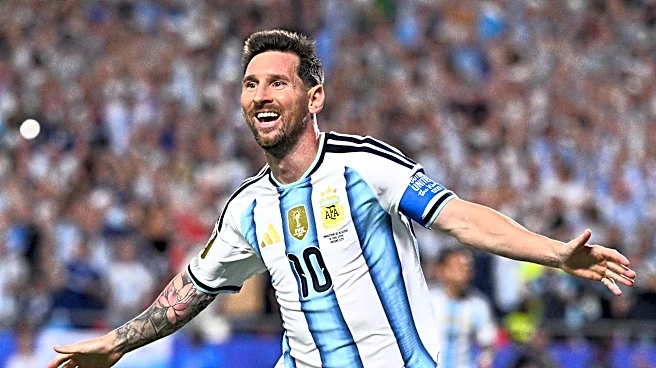
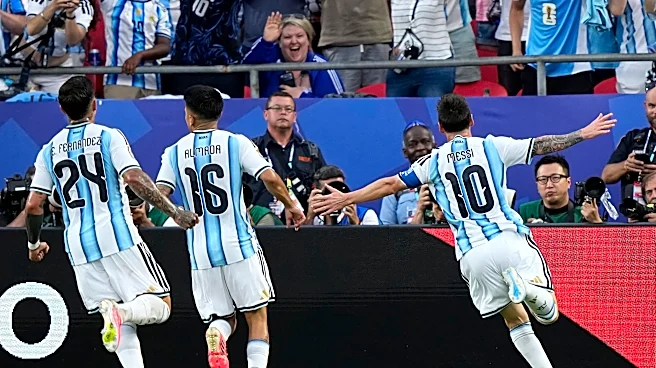
The opening group stage matches of the 2026 FIFA World Cup, hosted in North America, have delivered a series of unexpected results and standout performances. Lionel Messi, playing for Argentina, achieved his first-ever World Cup hat-trick, equaling the record
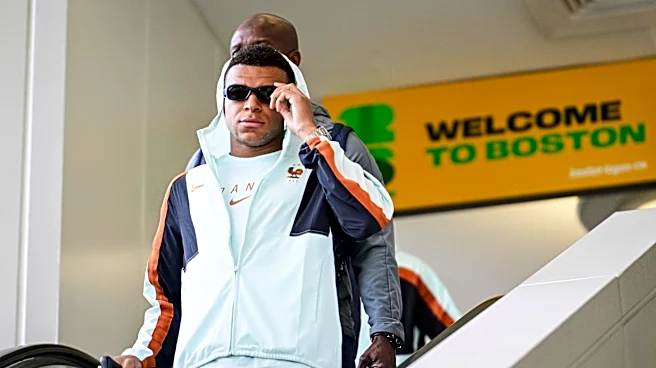
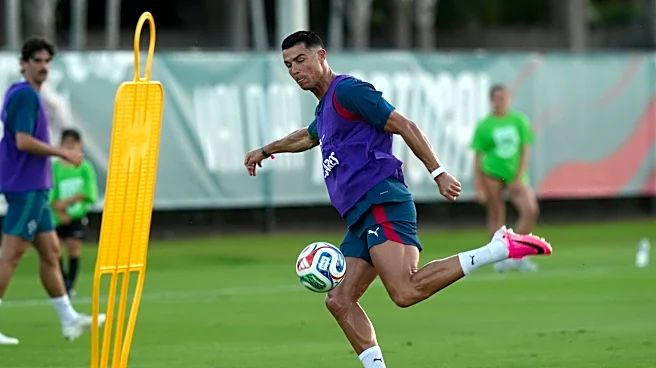
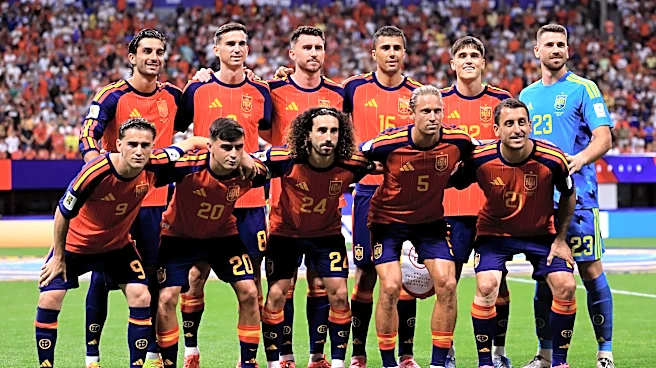
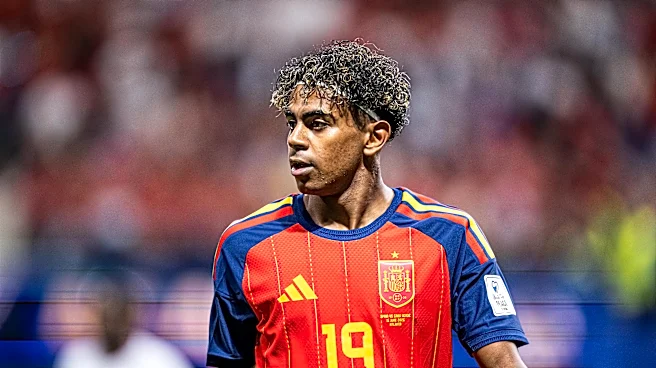
for most World Cup goals. Meanwhile, Cristiano Ronaldo's performance for Portugal was underwhelming, leading to questions about his current form. France's Kylian Mbappe became the nation's all-time leading scorer, further solidifying his reputation. The tournament has also seen significant upsets, such as Spain's draw with Cape Verde and DR Congo's draw with Portugal. Additionally, the tournament has been marked by vibrant fan celebrations and unique cultural moments, including the presence of a domesticated duck named Merlin as Mexico's unofficial mascot.
Why It's Important?
The early stages of the World Cup have set the tone for a tournament filled with surprises and high-stakes competition. Messi's performance reaffirms his status as one of the greatest players, potentially influencing Argentina's momentum in the tournament. Ronaldo's lackluster display raises questions about his future in international football. The unexpected results, such as Spain's draw with Cape Verde, highlight the increasing competitiveness of global football, where smaller nations can challenge traditional powerhouses. These developments could impact team strategies and fan engagement as the tournament progresses, with potential economic and cultural benefits for host cities in North America.
What's Next?
As the tournament continues, teams will need to adapt their strategies in response to early performances and upsets. Key players like Messi and Mbappe will be closely watched as they pursue further records and achievements. The underdog teams, having already made their mark, will aim to continue their surprising runs, potentially altering the dynamics of the knockout stages. Fans and analysts will be keenly observing how traditional football powers respond to these challenges, and whether emerging teams can sustain their momentum.