








What's Happening?
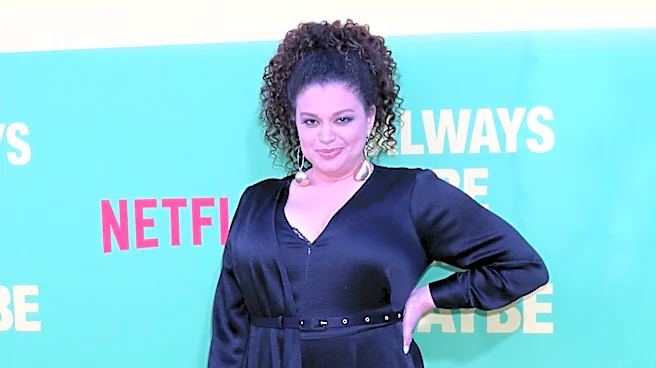
Michelle Hadley, who was wrongfully imprisoned for 88 days, is speaking out about her experience and the new Netflix documentary, 'A Toxic Love Story,' which details her ordeal. Hadley was falsely accused by her ex-boyfriend, former U.S. Marshal Ian Diaz,
and his then-wife Angela Diaz, of cyberstalking and other crimes. The accusations led to her arrest and imprisonment in 2016. However, it was later revealed that Ian and Angela orchestrated the harassment scheme, leading to Hadley's exoneration in January 2017. Angela Diaz pleaded guilty to multiple charges and was sentenced to five years in prison, while Ian Diaz received a sentence of over ten years for his role in the conspiracy. The documentary aims to shed light on the abuse Hadley endured and her journey to reclaim her narrative.
Why It's Important?
This case highlights significant issues within the justice system, particularly concerning wrongful accusations and the impact of domestic abuse. Hadley's story underscores the potential for abuse of power and manipulation within relationships, as well as the challenges faced by those wrongfully accused. The documentary serves as a platform for raising awareness about these issues and offers a voice to survivors of domestic abuse. It also emphasizes the importance of due process and the need for systemic reforms to prevent similar injustices. The broader societal impact includes a call for greater scrutiny of accusations and the need for support systems for those who have been wrongfully accused.
What's Next?
The release of 'A Toxic Love Story' on Netflix is expected to generate public discussion about the issues of wrongful imprisonment and domestic abuse. It may lead to increased advocacy for legal reforms and support for survivors. Michelle Hadley continues to rebuild her life, focusing on her career and raising her daughter. The documentary could also inspire other survivors to come forward and share their stories, potentially leading to further investigations and legal actions against those who misuse the justice system.
Beyond the Headlines
The case of Michelle Hadley raises ethical questions about the responsibilities of law enforcement and the media in handling accusations. It also highlights the psychological impact of wrongful imprisonment on individuals and their families. The documentary may prompt discussions about the role of gender dynamics in legal proceedings and the societal tendency to quickly judge based on accusations. Long-term, this story could influence cultural perceptions of justice and accountability, encouraging a more cautious and empathetic approach to similar cases.