






What's Happening?
Recent research highlights the benefits of fermented foods and fiber-rich diets in reducing inflammation and improving overall health. Fermented foods, such as yogurt and kefir, are noted for their ability to enhance gut microbiome diversity, which is
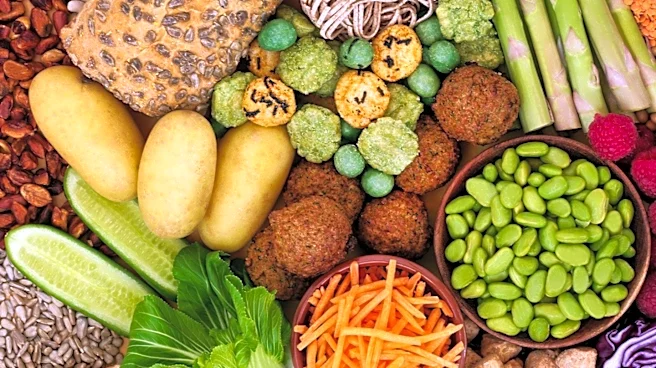
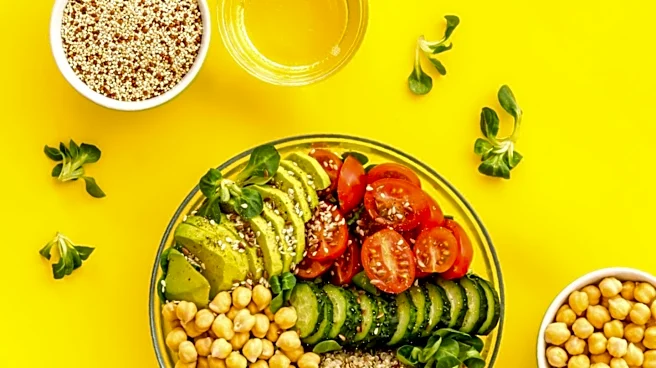
crucial for digestion, immunity, and metabolic health. Additionally, diets high in fiber are associated with better responses to cancer treatments and a reduced risk of non-communicable diseases. The Mediterranean diet, which includes fruits, vegetables, whole grains, and oily fish, is particularly effective in lowering inflammation and supporting mental health. However, the consumption of ultra-processed foods, red meat, and saturated fats is linked to increased risks of heart disease, cancer, and depression.
Why It's Important?
The findings underscore the importance of dietary choices in managing inflammation and preventing chronic diseases. By promoting gut health and reducing inflammation, fermented foods and fiber-rich diets can play a significant role in public health strategies aimed at reducing the prevalence of cardiovascular diseases, cancer, and mental health disorders. This research supports the shift towards whole foods and away from processed foods, which are detrimental to health. The potential for dietary interventions to improve health outcomes highlights the need for public health policies that encourage healthy eating habits.
What's Next?
Further research is expected to refine our understanding of the optimal combinations of foods that maximize health benefits. Public health campaigns may increasingly focus on educating the public about the benefits of fermented foods and fiber-rich diets. Additionally, there may be a push for policy changes to reduce the availability and consumption of ultra-processed foods. As evidence mounts, healthcare providers might incorporate dietary recommendations into treatment plans for patients with chronic inflammatory conditions.
Beyond the Headlines
The emphasis on diet as a tool for managing inflammation and disease prevention could lead to broader cultural shifts in how food is perceived and consumed. There may be increased interest in traditional diets and food preparation methods that emphasize fermentation and whole foods. This could also spur innovation in the food industry, with companies developing new products that align with these health trends. The ethical implications of food production and consumption, including sustainability and food security, may also gain more attention as part of this broader conversation.