
What's Happening?
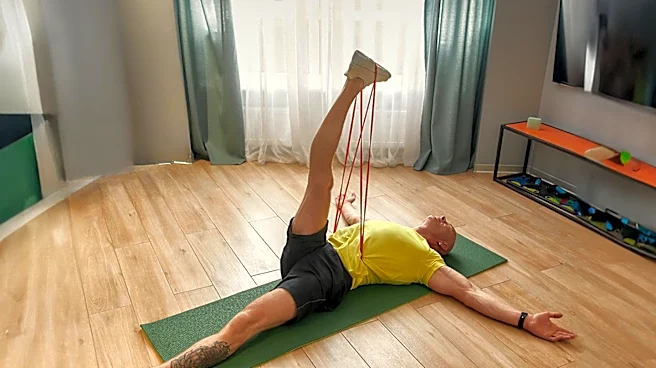
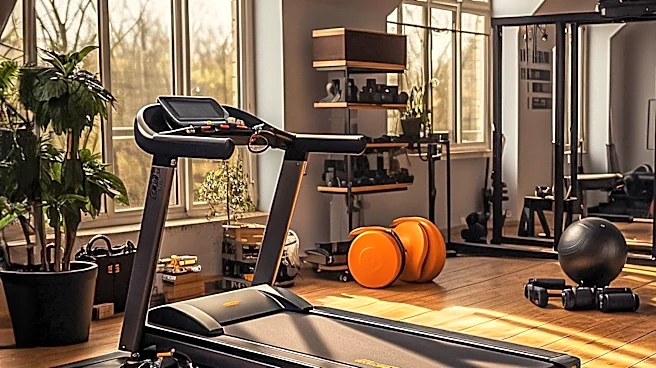
As colder months and shorter daylight hours impact outdoor activity, home fitness routines are highlighted as a practical solution for maintaining physical health. A comprehensive home workout can integrate
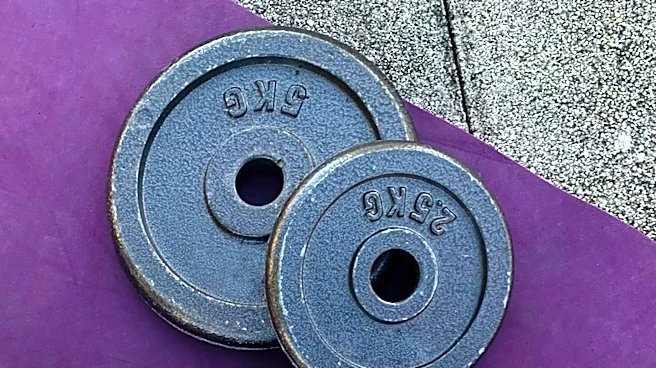
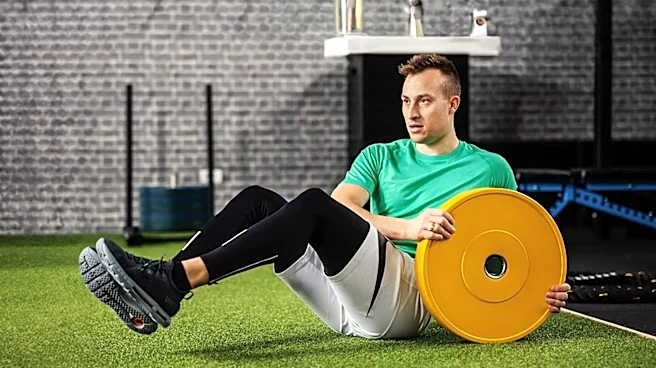
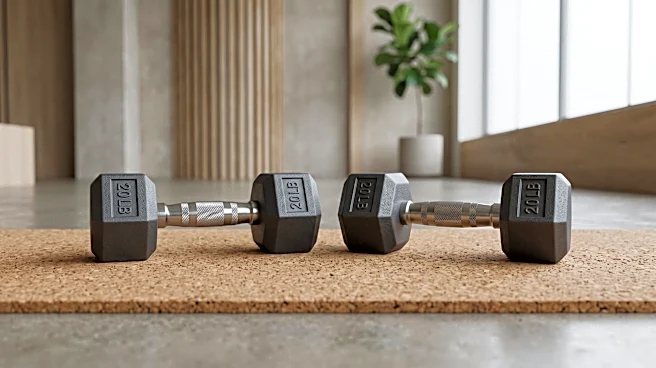
strength training, cardiovascular exercise, and mobility work. Essential equipment for such routines includes functional trainers, dumbbells, treadmills, and ellipticals. Treadmills and ellipticals are particularly useful for indoor cardio, allowing individuals to continue walking or running regardless of weather conditions. For strength training, functional trainers, home gyms, and free weights like dumbbells, often paired with adjustable benches, provide versatile options. Full-body workouts, incorporating exercises such as squats, rows, chest presses, and shoulder presses, are recommended for their efficiency in engaging major muscle groups, making them suitable for individuals with busy schedules. The emphasis is on consistency and adapting routines to fit personal schedules and environmental factors.
Why It's Important?
The shift towards home fitness is significant for public health, offering a consistent way for individuals to remain active when external factors like weather or time constraints limit outdoor or gym access. This approach promotes sustained physical activity, which is crucial for preventing chronic diseases and maintaining overall well-being. For the fitness industry, it underscores the growing demand for versatile and space-efficient home exercise equipment, potentially boosting sales for manufacturers and retailers of treadmills, ellipticals, dumbbells, and functional trainers. Individuals gain greater autonomy over their fitness schedules, reducing reliance on gym memberships or favorable weather. This trend also highlights the importance of adaptable fitness solutions that cater to diverse lifestyles and environmental challenges, ensuring that health goals can be pursued year-round.
What's Next?
The continued adoption of home fitness solutions is expected, with further innovations in compact and multi-functional exercise equipment. Manufacturers may focus on developing more integrated systems that offer a wider range of exercises within a smaller footprint, catering to urban living spaces. There could also be an increase in digital fitness platforms offering guided home workouts, personalized training plans, and virtual classes to enhance the home exercise experience. As more people recognize the convenience and effectiveness of home workouts, the market for related accessories and apparel is also likely to expand. Fitness professionals may increasingly offer remote coaching and customized home workout programs, adapting their services to meet this evolving demand. The emphasis will likely remain on creating sustainable and accessible fitness habits that can be maintained regardless of external circumstances.
Beyond the Headlines
The rise of home fitness extends beyond mere convenience; it represents a broader cultural shift towards personalized wellness and self-sufficiency in health management. This trend challenges traditional fitness models centered around commercial gyms, potentially leading to a re-evaluation of urban planning to include more home-friendly workout spaces. Ethically, it raises questions about equitable access to fitness equipment, as initial investment costs can be a barrier for some. Legally, there might be implications for product safety standards in home fitness equipment and the regulation of online fitness content. Culturally, it fosters a more integrated approach to health, where physical activity becomes a seamless part of daily life rather than a separate, scheduled event. This could lead to long-term societal benefits, including a more active population and reduced healthcare burdens, by empowering individuals to take greater control of their physical well-being.