


What's Happening?
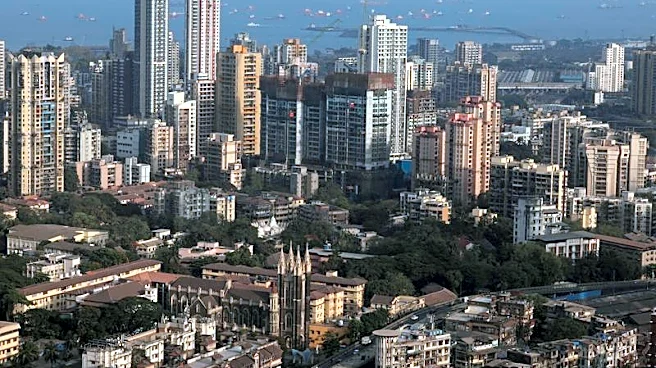
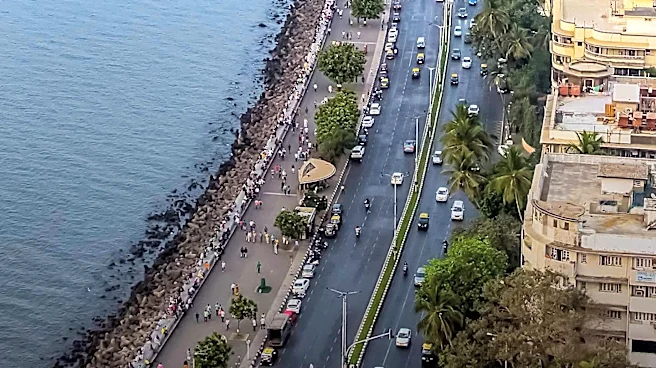
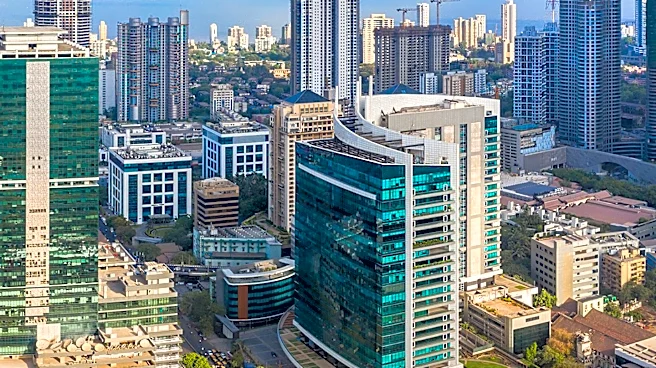
Mumbai, the capital city of the Indian state of Maharashtra, continues to hold its status as the wealthiest city in India. It boasts the highest concentration of millionaires and billionaires within the country. Historically known as Bombay until 1995,
the city is situated on the Konkan coast and is recognized for its deep natural harbor. Its development into a major seaport was significantly shaped by the Hornby Vellard project in the mid-18th century. The city's economic prominence has been long-standing, evolving from its control under successive indigenous empires to its cession to the Portuguese Empire and subsequently to the East India Company in 1661. Recent reports indicate that while some services, such as a Telnyx anchor site, experienced temporary outages, they have since recovered and are fully operational, underscoring the city's robust infrastructure. Additionally, major technology service providers like Cognizant continue to have job openings in Mumbai, reflecting ongoing economic activity and opportunities.
Why It's Important?
Mumbai's sustained economic dominance as India's wealthiest city has significant implications for global business and investment, including potential impacts on U.S. industries and economic stakeholders. Its high concentration of millionaires and billionaires signifies a robust market for luxury goods, financial services, and high-end consumer products, which can attract U.S. companies looking to expand their reach in emerging markets. The city's status as a major seaport and financial hub makes it a critical node in international trade and investment flows. U.S. businesses in sectors such as technology, finance, and manufacturing may find Mumbai an attractive location for partnerships, market entry, and talent acquisition, as evidenced by job openings from companies like Cognizant. The city's economic health and stability can also influence broader regional economic trends, affecting supply chains and investment strategies for U.S. firms operating in Asia. Conversely, any economic downturns or instability in Mumbai could have ripple effects on global markets, given its significant financial footprint.
What's Next?
Given Mumbai's continued economic growth and status as a financial powerhouse, future developments are likely to focus on further infrastructure enhancements and continued foreign investment. The city's appeal to global businesses, including those from the U.S., is expected to remain strong, potentially leading to increased collaborations and expansions in sectors like technology and finance. As a major seaport, there will likely be ongoing efforts to modernize and expand its port capabilities to handle growing trade volumes. The presence of numerous millionaires and billionaires suggests a sustained demand for high-value services and products, which could attract more international brands and service providers. Additionally, the city's robust job market, as indicated by ongoing recruitment from companies like Cognizant, suggests continued opportunities for skilled labor and professional development. Future policy decisions by the Indian government regarding economic liberalization and foreign direct investment will play a crucial role in shaping Mumbai's trajectory and its attractiveness to global stakeholders.
Beyond the Headlines
Beyond its economic indicators, Mumbai's status as India's wealthiest city reflects deeper societal and cultural dynamics. The concentration of immense wealth coexists with significant socio-economic disparities, a common characteristic of rapidly developing economies. This wealth disparity can lead to complex urban challenges, including housing shortages, infrastructure strain, and social inequality, which are critical considerations for sustainable development. The city's historical evolution, from its colonial past to its modern-day financial prominence, also highlights the enduring impact of global trade and political shifts on urban development. Furthermore, Mumbai's vibrant cultural landscape, fueled by its diverse population and economic opportunities, contributes to its unique identity as a global metropolis. The ongoing influx of talent and capital shapes not only its economic future but also its social fabric, influencing everything from urban planning to cultural trends. Understanding these multifaceted dimensions is crucial for a comprehensive appreciation of Mumbai's role on the global stage.