






What's Happening?
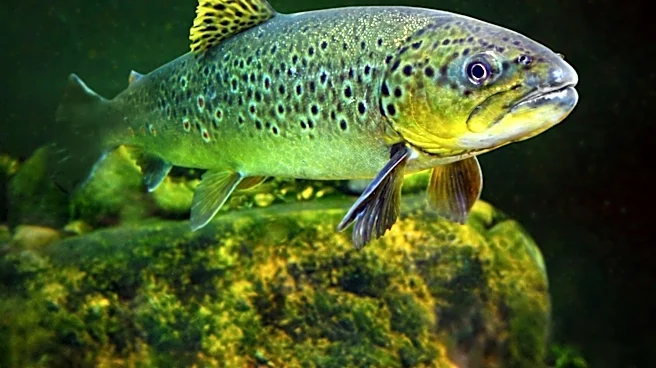
The Appalachian Trail, a renowned hiking path stretching over 2,000 miles from Georgia to Maine, offers a unique opportunity for fly fishing enthusiasts to catch native brook trout. The trail crosses numerous cold-water streams that are home to these
colorful fish, particularly in Vermont. Jasper Taback, an experienced angler and writer, recently explored a brook trout stream along the trail in Vermont. Using a two-weight rod, he navigated the narrow, alder-lined banks to find brook trout in deeper pools, where they seek refuge from the summer heat. This experience highlights the intersection of hiking and fishing, as the trail provides access to remote fishing spots that are less frequented by anglers.
Why It's Important?
The integration of fly fishing with hiking on the Appalachian Trail underscores the diverse recreational opportunities available in the U.S. This activity not only promotes outdoor recreation but also supports local economies through tourism. Anglers and hikers contribute to the conservation of natural habitats by fostering an appreciation for the environment. The presence of brook trout, a native species, indicates healthy ecosystems, which are vital for biodiversity. Additionally, the trail's accessibility to various states encourages cross-state tourism and cultural exchange, enhancing the trail's significance as a national treasure.
What's Next?
As interest in outdoor activities continues to grow, the Appalachian Trail may see an increase in visitors seeking both hiking and fishing experiences. This could lead to more conservation efforts to preserve the natural habitats along the trail. Local communities might also develop infrastructure to support eco-tourism, such as guided fishing tours and educational programs about the trail's ecological importance. Stakeholders, including environmental groups and tourism boards, may collaborate to ensure sustainable use of the trail and its resources.
Beyond the Headlines
The story of fly fishing along the Appalachian Trail highlights the cultural and historical significance of the trail itself. It serves as a reminder of the importance of preserving natural landscapes for future generations. The trail's role in promoting physical and mental well-being through outdoor activities is increasingly recognized, especially in a post-pandemic world where nature-based recreation is valued for its health benefits. Furthermore, the trail's diverse ecosystems offer educational opportunities about environmental stewardship and the importance of protecting native species like the brook trout.