



What's Happening?
Goldman Sachs anticipates a global real gross domestic product (GDP) growth of 2.8% in 2027, a slight increase from their 2026 estimate of 2.7%. This projection comes with identified downside risks. The firm notes that tighter financial conditions and
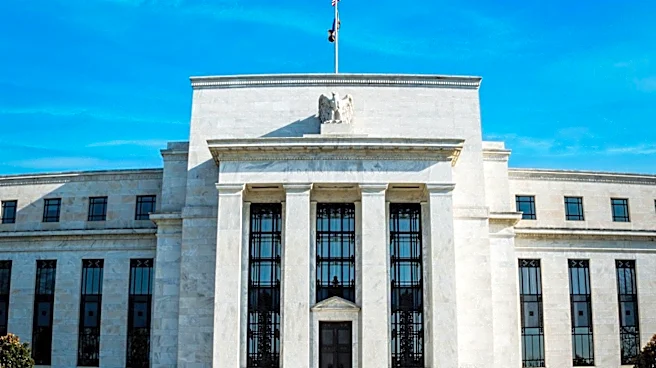
more neutral fiscal policies have been counterbalanced by lower energy prices and robust capital expenditure in artificial intelligence. Furthermore, Goldman Sachs expects a slowdown in inflation during 2027, attributing this to the fading effects of U.S. tariffs, energy price fluctuations, and AI-related pressures. Consequently, the firm foresees only incremental monetary policy tightening in major economies through early 2027, followed by gradual normalization cuts later in the year. Regarding the Federal Reserve, Goldman Sachs projects 25 basis point rate hikes in December and March 2027, with subsequent gradual cuts commencing in November.
Why It's Important?
This economic outlook from Goldman Sachs is significant for U.S. industries, financial markets, and policymakers. A projected slowdown in inflation could alleviate cost pressures on businesses and potentially increase consumer purchasing power, fostering a more stable economic environment. The anticipated gradual normalization of monetary policy, including potential rate cuts by the Federal Reserve, could reduce borrowing costs for companies and individuals, stimulating investment and economic activity. However, the identified risks, such as higher energy prices due to geopolitical tensions, fiscal risks impacting long-term yields, and potential disappointments in AI capital expenditure growth, highlight vulnerabilities that could disrupt this positive outlook. Businesses relying on stable energy costs or significant AI investments will need to monitor these risks closely. For investors, the forecast suggests a potentially more favorable environment for risky assets if growth remains healthy, despite the existing uncertainties.
What's Next?
Goldman Sachs's forecast suggests that the Federal Reserve will implement 25 basis point rate hikes in December and March 2027, followed by gradual rate cuts starting in November of the same year. This monetary policy trajectory will be a key factor for businesses and consumers in planning their financial strategies. The firm also highlights three main risks to its baseline view of steady growth: potential escalation in Iran leading to higher energy prices, fiscal risks that could raise long-term yields, and possible disappointments in AI capital expenditure growth. Stakeholders will need to closely monitor these factors, as any significant deviation could alter the economic landscape. The anticipated deceleration in inflation could lead to a more predictable economic environment, but the interplay of these risks will determine the actual path of the U.S. economy in 2027.
Beyond the Headlines
The Goldman Sachs economic outlook for 2027, while projecting steady growth and easing inflation, subtly underscores the increasing interconnectedness of global economic factors and technological advancements. The mention of AI capital expenditure as a significant offset to tighter financial conditions highlights the growing reliance on technological innovation as a driver of economic growth. This suggests a long-term shift where investment in areas like artificial intelligence will play a crucial role in shaping economic resilience and productivity. Furthermore, the identified risks, particularly those related to geopolitical events and fiscal policies, point to the persistent challenges in maintaining economic stability in a complex global environment. The ethical and societal implications of widespread AI adoption, while not directly addressed in the forecast, are an underlying dimension that could influence future economic trends and policy decisions.