

What's Happening?
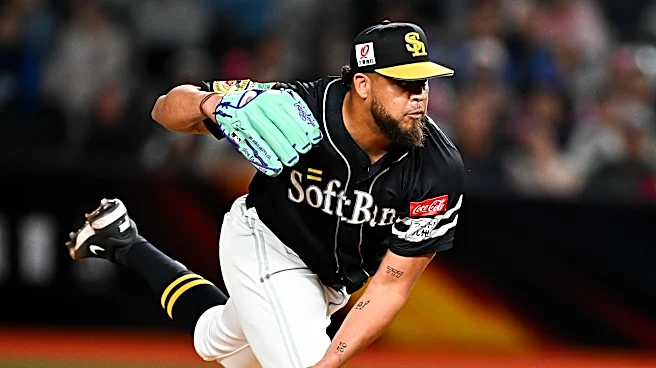
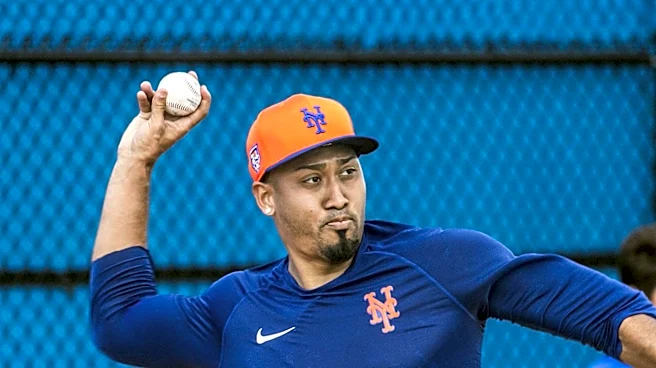
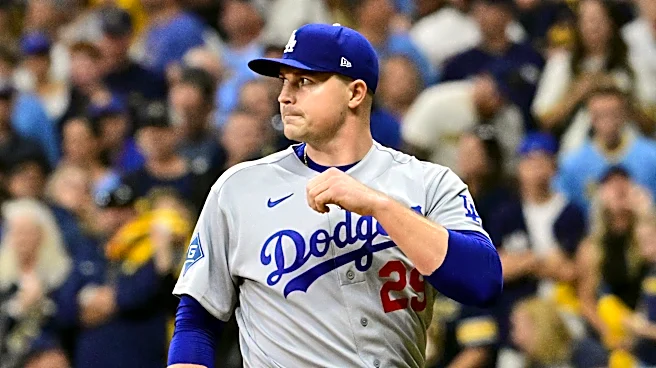
The New York Mets have signed 30-year-old left-handed reliever Darwinzon Hernández to a three-year, $12 million contract. Hernández previously spent four seasons pitching in Japan. This signing comes amidst broader discussions and concerns within Major
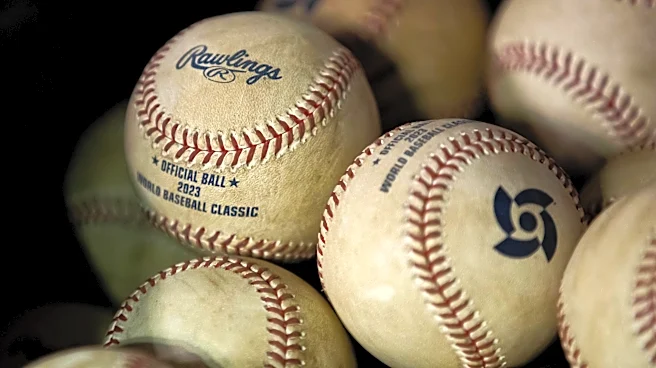
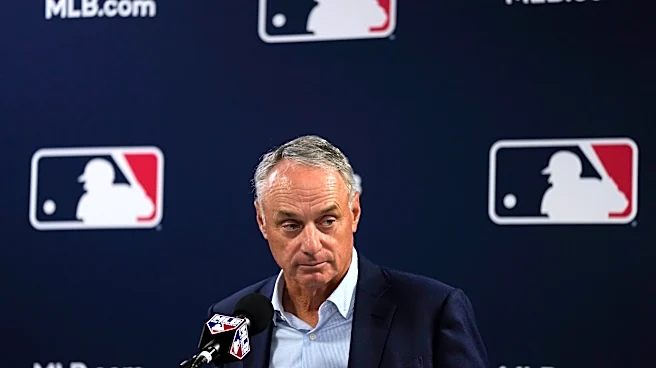
League Baseball (MLB) regarding labor negotiations. David Lennon notes that current labor negotiations feel different from those in past decades, suggesting a potentially prolonged period before major league games resume. Buster Olney reports that top free agents are expected to sign before a potential lockout, while the majority of free agents may not. Additionally, some lawmakers are advocating for an end to MLB's antitrust exemption, and a private equity firm is acquiring Rawlings, the supplier of MLB's baseballs.
Why It's Important?
The Mets' signing of Darwinzon Hernández is a strategic move to bolster their bullpen, reflecting their ongoing efforts to strengthen the team. However, this individual transaction is set against a backdrop of significant labor unrest and potential structural changes within MLB. The ongoing labor negotiations could lead to a lockout, impacting the start of the next season and potentially affecting player salaries and team operations across the league. The discussion around ending MLB's antitrust exemption could fundamentally alter the league's business model and competitive landscape. Furthermore, the acquisition of Rawlings by a private equity firm introduces a new dynamic to the supply chain of essential baseball equipment, raising questions about potential changes in quality or pricing that could affect all teams.
What's Next?
The immediate focus for MLB will be the ongoing labor negotiations, with expectations that top free agents will sign before a potential lockout. The outcome of these negotiations will determine the timeline for the next season and the financial landscape for players and teams. Lawmakers' efforts to challenge MLB's antitrust exemption will also be a key development to watch, as any change could have far-reaching implications for the league's operational structure. The Mets, having secured Hernández, will continue to monitor the broader league situation while potentially pursuing other roster adjustments. The impact of the Rawlings acquisition on baseball equipment standards and costs will also unfold over time.
Beyond the Headlines
The confluence of the Mets' signing, ongoing labor disputes, and legislative scrutiny of MLB's antitrust exemption points to a period of significant transformation for professional baseball. The labor issues highlight the perennial tension between player compensation and team economics, potentially leading to a more equitable or contentious future for the sport. The antitrust exemption debate touches upon fundamental questions of market competition and fairness within professional sports leagues, with potential implications for how MLB operates as a business. The involvement of private equity in a key supplier like Rawlings also signals a broader trend of financialization in sports, where ownership and control of ancillary businesses become increasingly important, potentially influencing the integrity and accessibility of the game itself.